

My garden always seems to grow quieter when frost is on its way. The sun softens, the days feel stretched thin, and even the air carries a message of rest. This is the season when I like to walk slowly through my beds, gathering what’s ready, tidying what’s spent, and preparing the soil for its long winter sleep.
These little rituals aren’t just about saving the last of the harvest. They’re about gratitude—taking time to honor what’s grown and to ready both the land and myself for the turning of the season.
Here are a dozen simple things I like to do before the first frost settles in.
1. Harvest what’s left
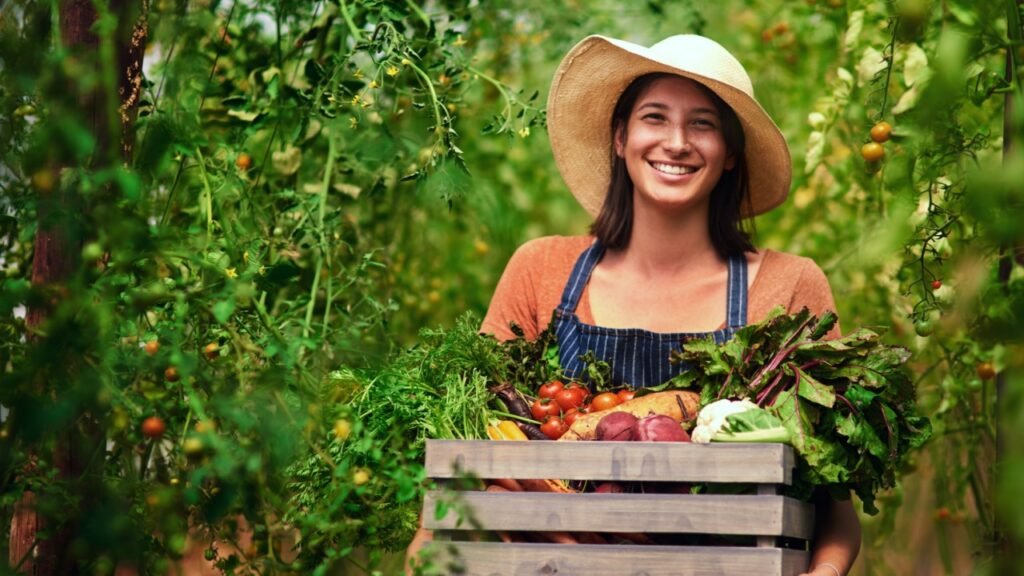
Pick the last of the tomatoes, beans, herbs, and squash—even if they’re a little green. Many will ripen indoors, and herbs can be dried or frozen.
It’s a sweet, bittersweet gathering. I often whisper thanks to each plant as I go.
2. Cut and dry herbs
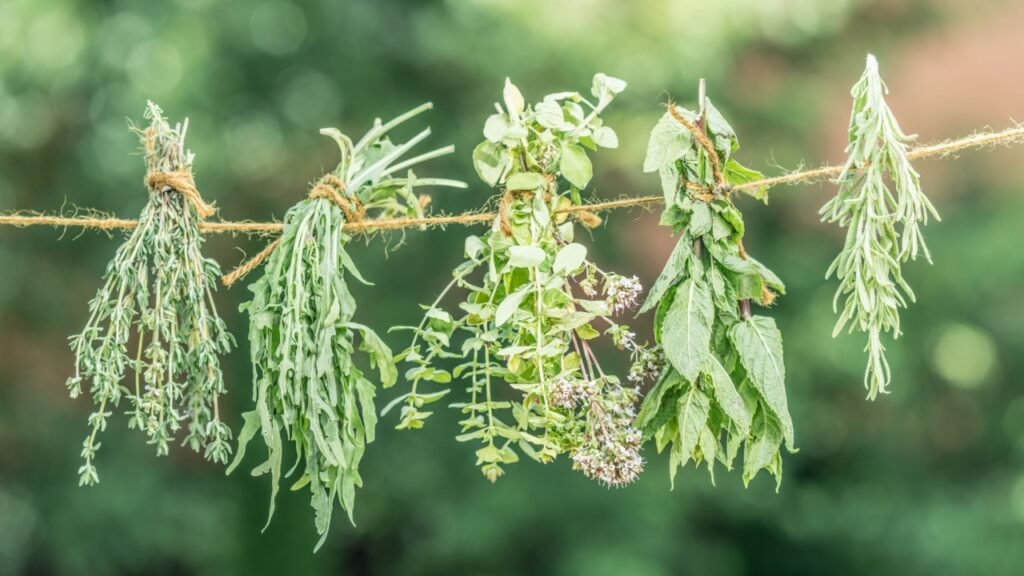
Snip your basil, thyme, rosemary, and mint before the frost dulls their flavors. Tie them into bundles to dry or freeze them in olive oil or butter.
Come winter, you’ll be so glad to reach for a bit of summer scent when cooking.
3. Bring tender plants indoors
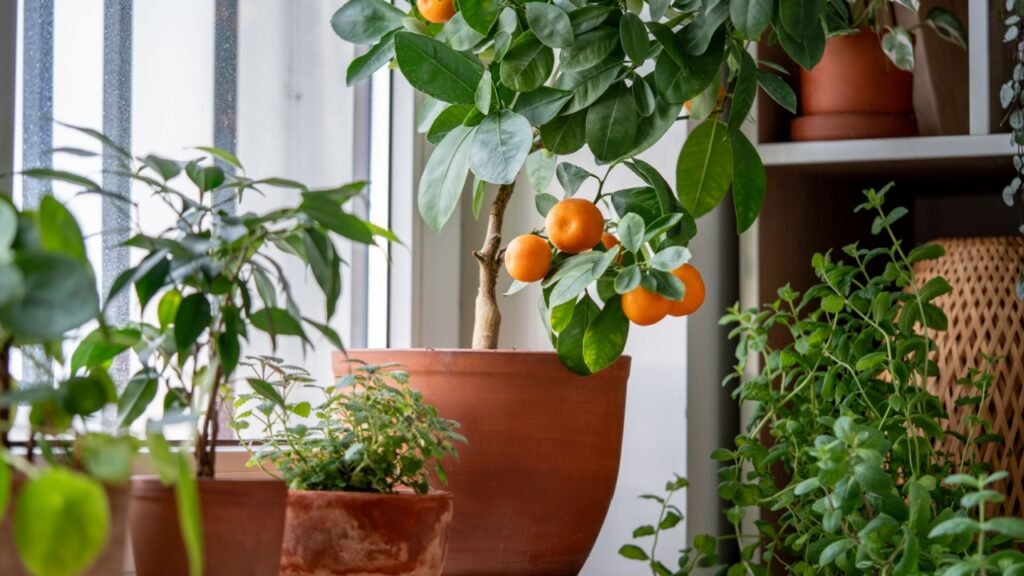
If you have potted citrus, rosemary, or houseplants that summered outside, bring them in before frost bites their leaves.
Give them a good rinse and check for hitchhikers first. They’ll adjust better if brought in gradually.
4. Save seeds from favorites
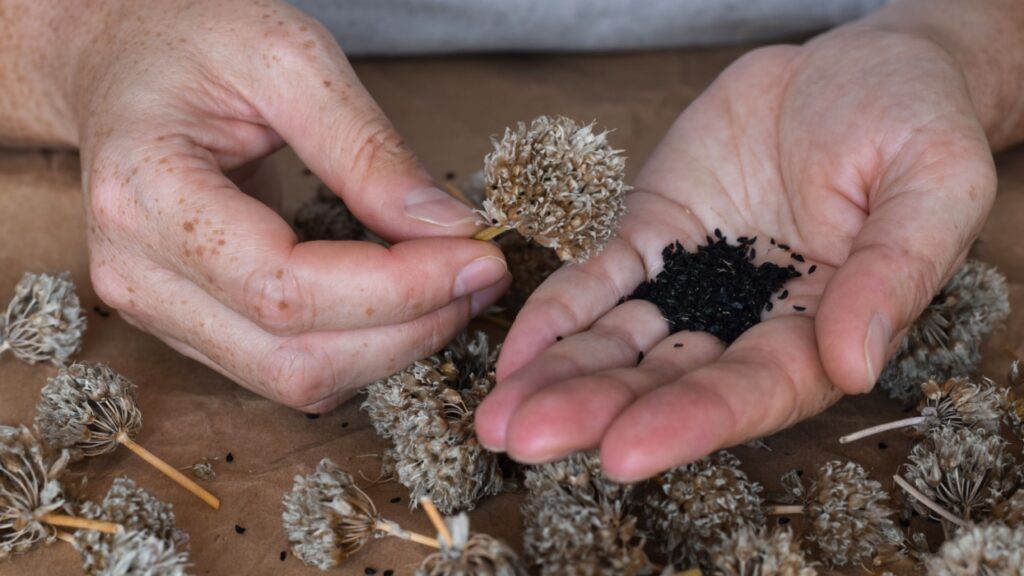
Let a few flower heads or veggie pods dry completely, then gather their seeds for next year. Label them clearly and store in a cool, dry spot.
It’s a small act of hope—planting the future even as the garden fades.
5. Mulch your beds
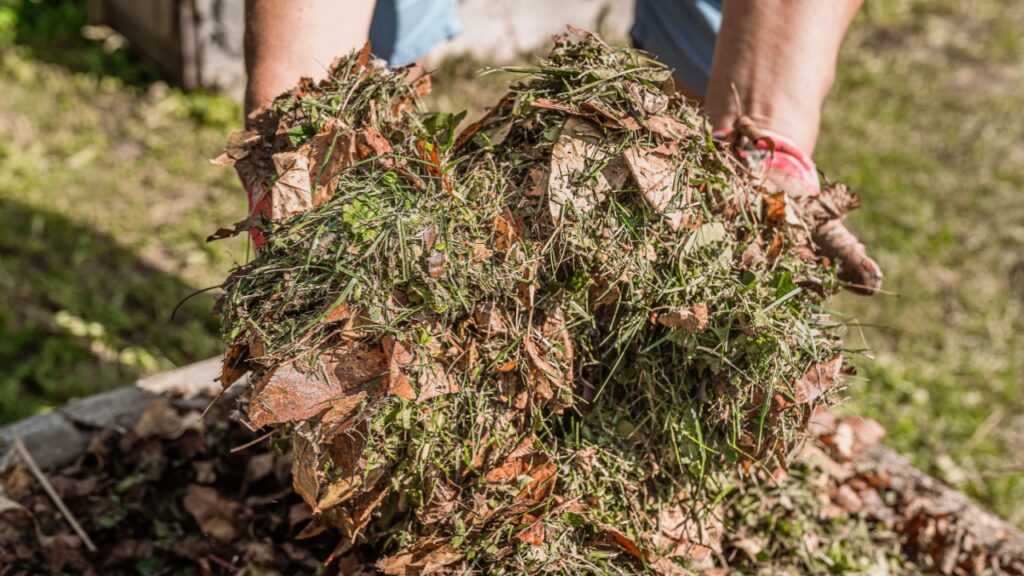
Spread straw, leaves, or wood chips over garden beds to protect soil from erosion and cold. It’s like tucking a warm blanket over the earth.
The mulch will also break down over winter, feeding the soil for spring.
6. Clean and store garden tools
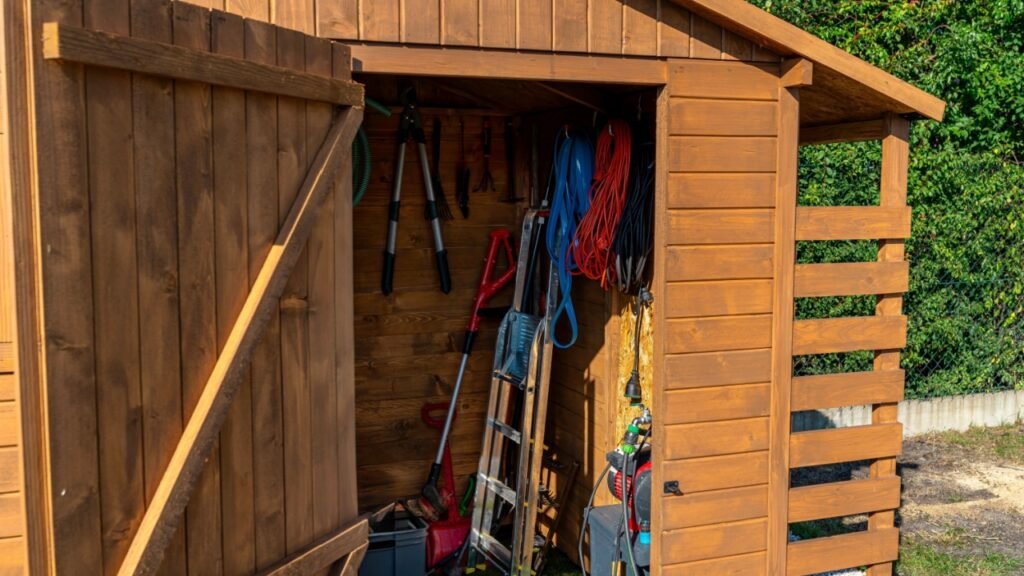
Wash off dirt, sharpen blades, and oil wooden handles. Then tuck everything away in a dry place where rust won’t creep in.
It’s a meditative task that signals rest—not just for the garden, but for the gardener too.
7. Plant garlic and spring bulbs
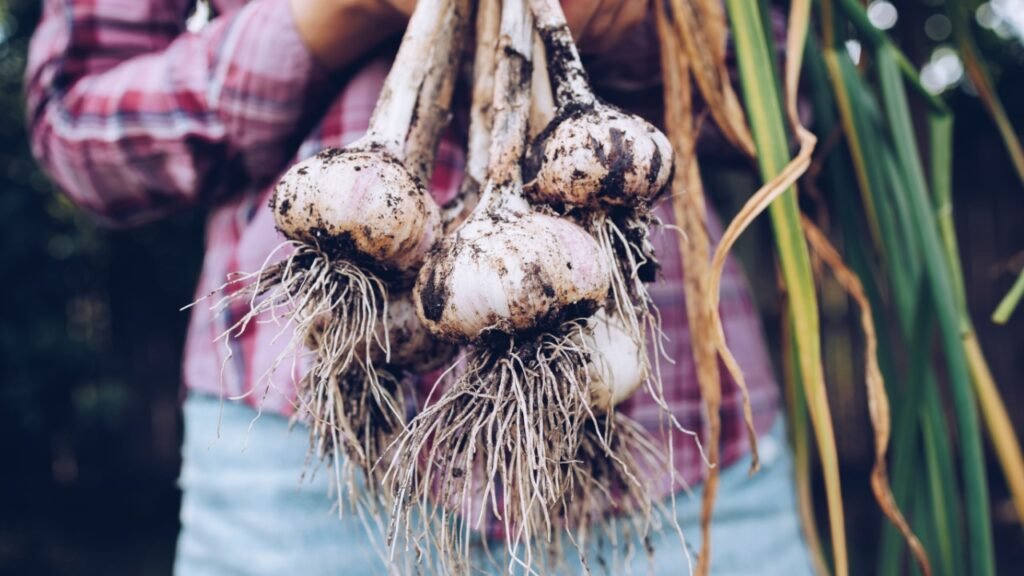
Garlic loves to be planted in the fall. Tuck the cloves into loosened soil, cover with mulch, and forget them until spring. The same goes for tulips, daffodils, and crocus bulbs.
These are gifts you give your future self—little miracles buried in cold earth.
8. Check your chicken coop (or animal shelters)
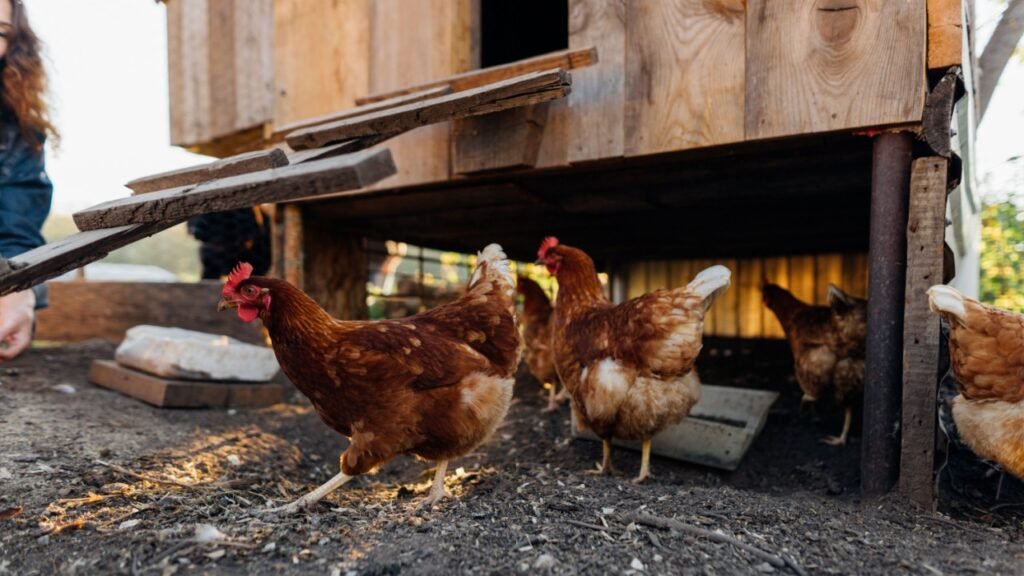
Add extra bedding, check for drafts, and make sure everyone will stay dry and warm. Repair any weak spots before cold, wet weather sets in.
This is also a good time to stock up on feed and scratch grains for the leaner months.
9. Drain hoses and outdoor faucets
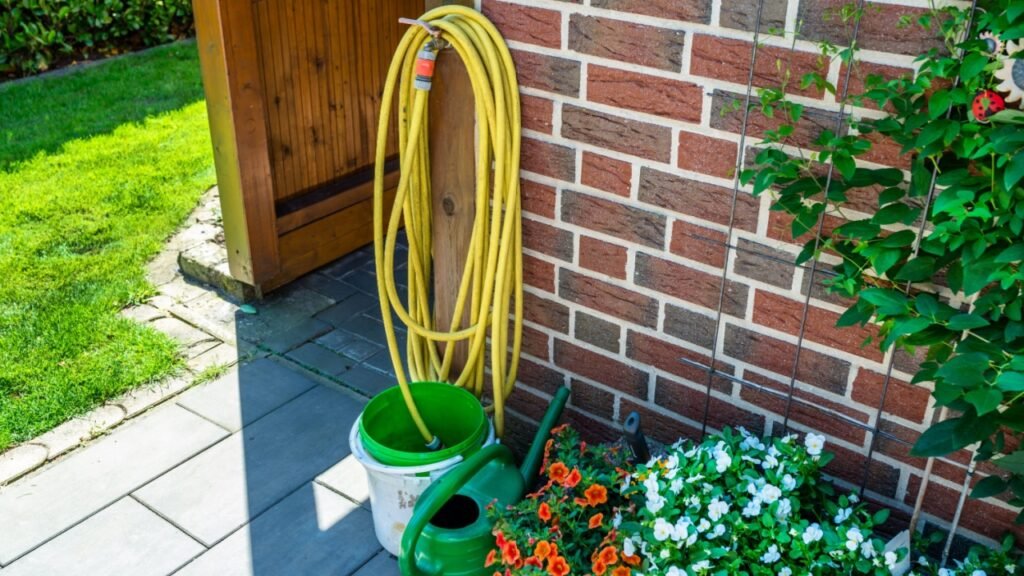
Water left in hoses can freeze, swell, and crack the lines. Disconnect, drain, and store hoses somewhere dry.
It’s one of those simple chores that can save big trouble later. Don’t forget birdbaths and rain barrels, too.
10. Take one last walk through the garden
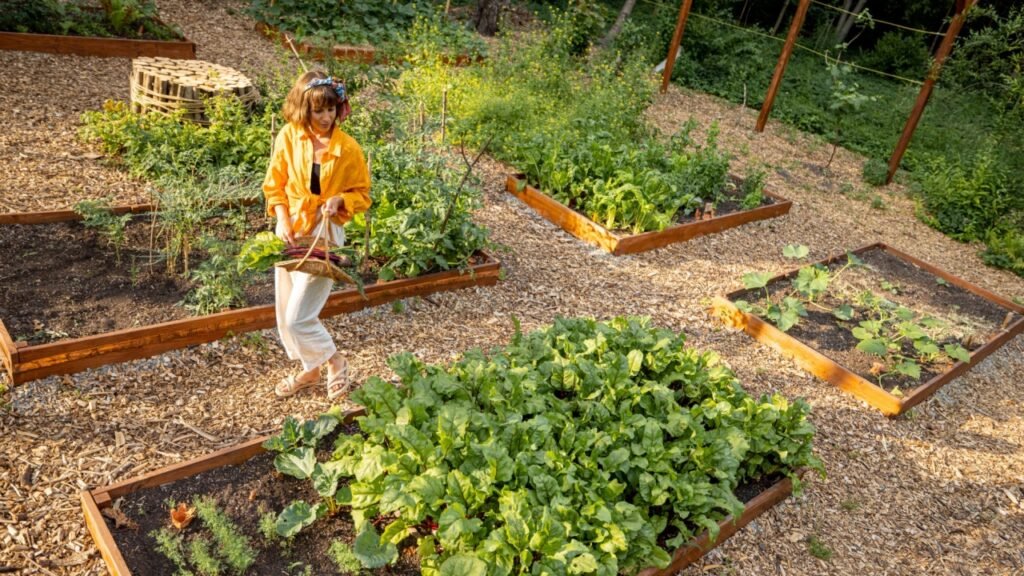
Don’t rush this part. Wander slowly. Notice what’s still blooming, what’s gone to seed, and what’s already saying goodbye.
Say thank you. Maybe bring in one last bouquet. This walk is the closing note of the season.
11. Make a simple pantry inventory

Check your preserves, root cellar goods, and staples. Make note of what you have plenty of and what might need restocking before winter.
There’s something deeply grounding about knowing your pantry is ready for cozy days ahead.
12. Light a candle and let the season turn

When the work is done, light a candle in the window, make something warm to sip, and let the first frost come without fear.
You’ve prepared. You’ve tended. And now it’s time to rest, just like your garden.





No Comments