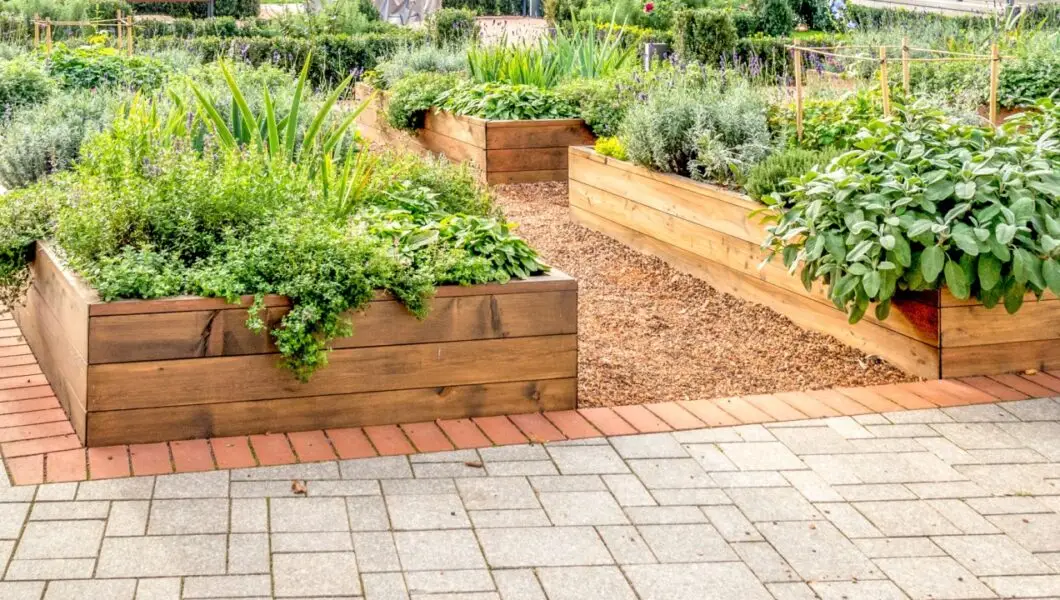
Herbs are the heart of a healing garden—fragrant, functional, and full of personality. But some herbs need a bit of room to stretch, sprawl, or reseed freely. Whether they spread like wild things or simply get used so often that you’ll want armfuls at a time, these herbs thrive best with a little space to call their own.
1. Mint
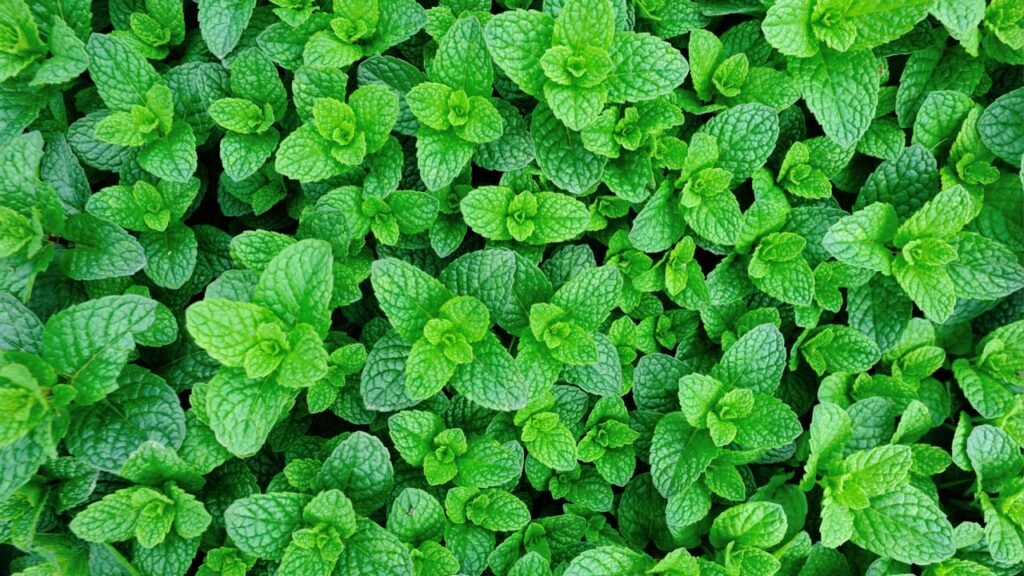
Mint spreads like a dream (and a bit like a menace). Give it its own bed—or better yet, a raised container bed—so it doesn’t overtake gentler herbs.
2. Lemon Balm
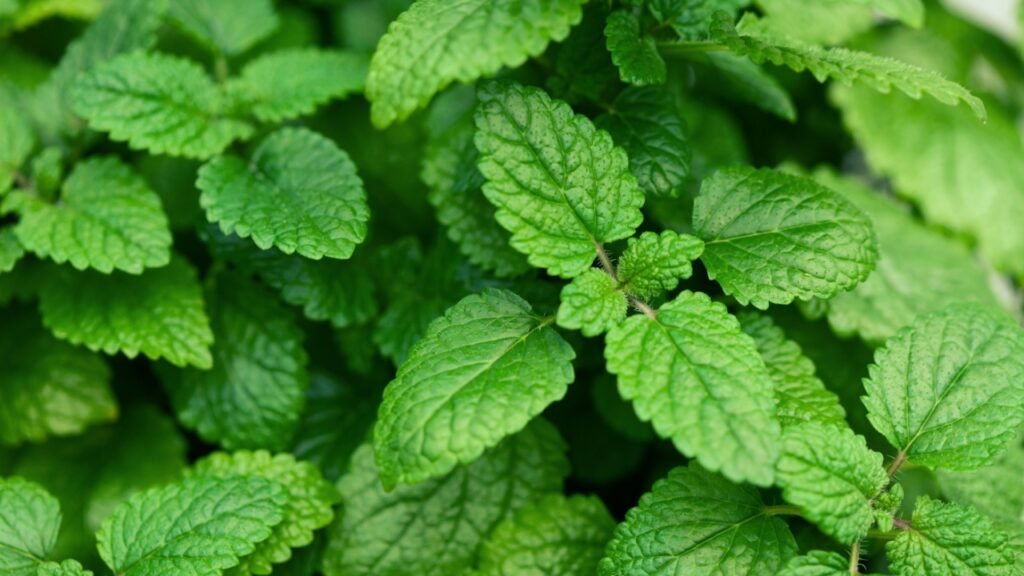
Joyful and prolific, lemon balm will self-seed and spread wherever it’s welcome. A dedicated bed keeps it contained and easy to harvest for teas and tinctures.
3. Chamomile
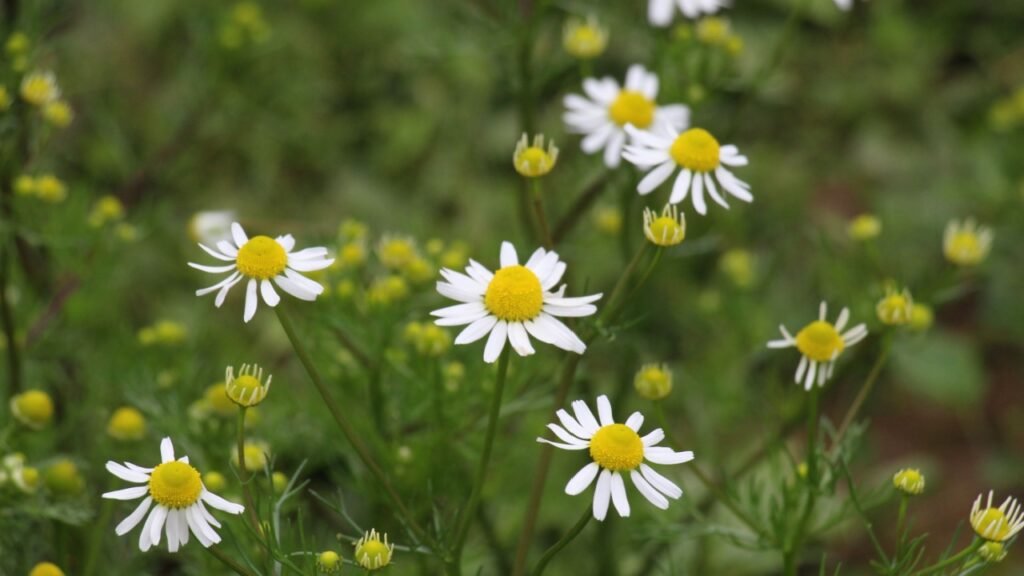
Delicate in looks but bold in spirit, chamomile does best when it can bloom freely. A whole bed allows you to harvest plenty without disturbing the patch.
4. Calendula
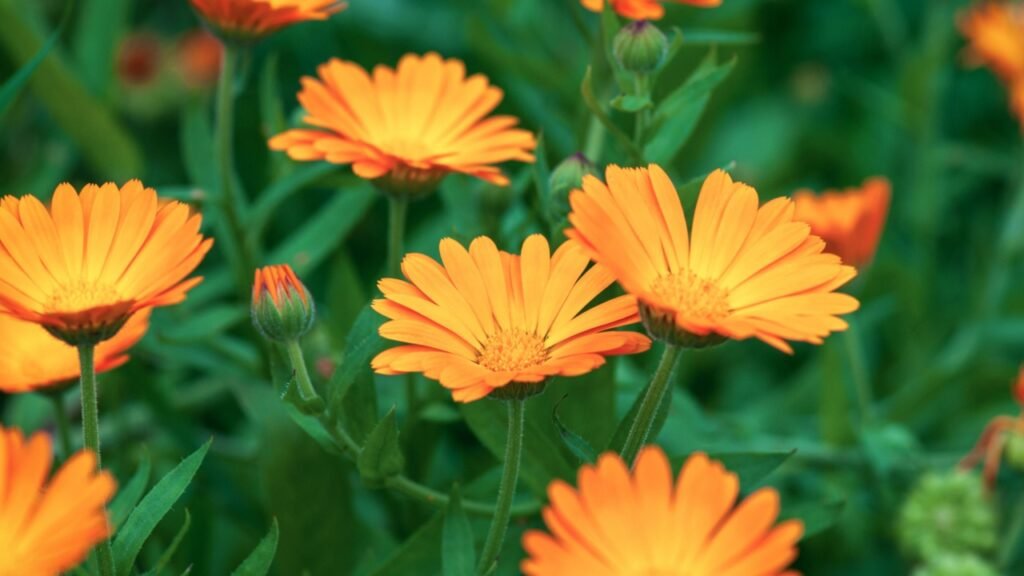
This sunny healer deserves space to flourish. It reseeds generously and thrives in its own corner, where you can collect blossoms daily for drying.
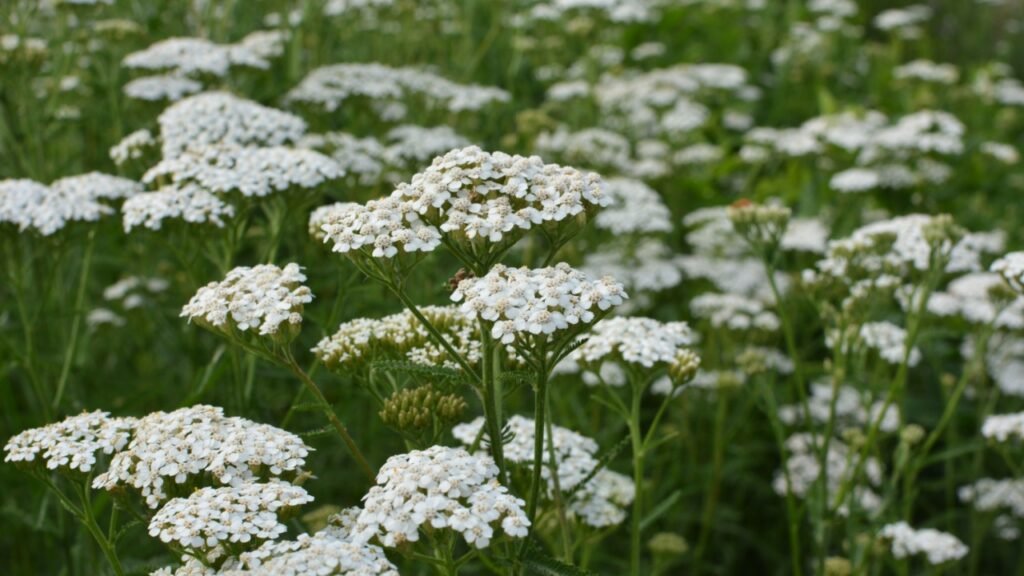
5. Yarrow
j
Spreading underground and reaching skyward, yarrow prefers a space where it won’t crowd others. It draws pollinators and offers a constant supply for teas and salves.
6. Comfrey
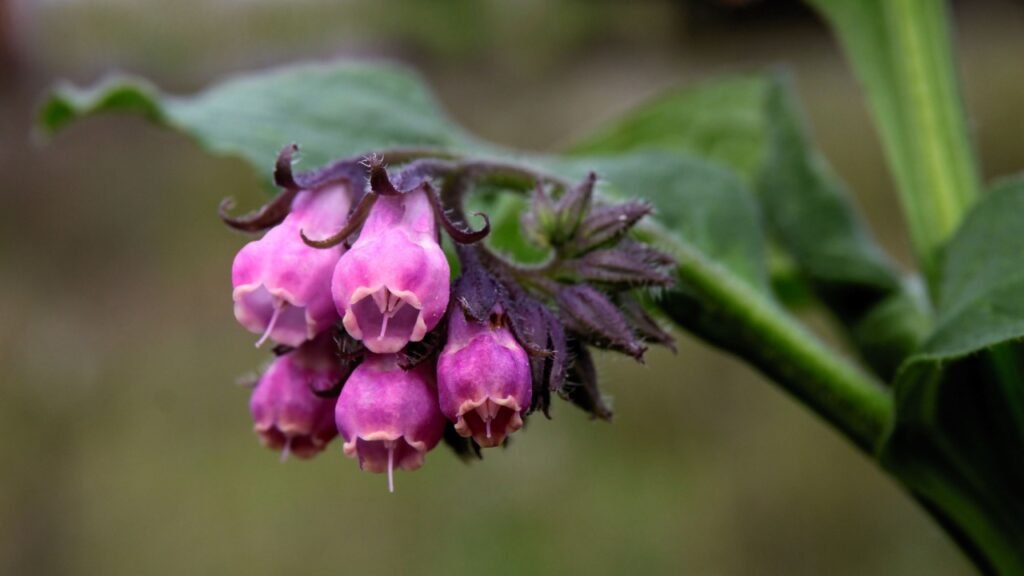
A powerhouse for soil and skin alike, comfrey has deep roots and wide leaves. It’s best in its own bed where it can stay put and replenish the garden through chop-and-drop mulching.
7. Stinging Nettle
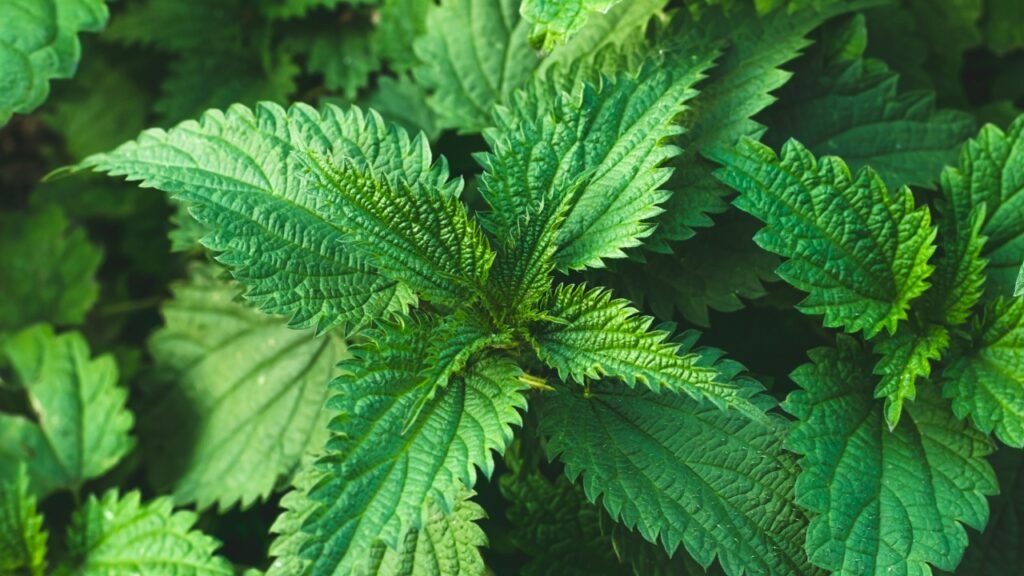
Nutritious and healing, nettle needs space and respect. Give it its own bed (away from pathways!) and wear gloves when harvesting its mineral-rich leaves.
8. Echinacea
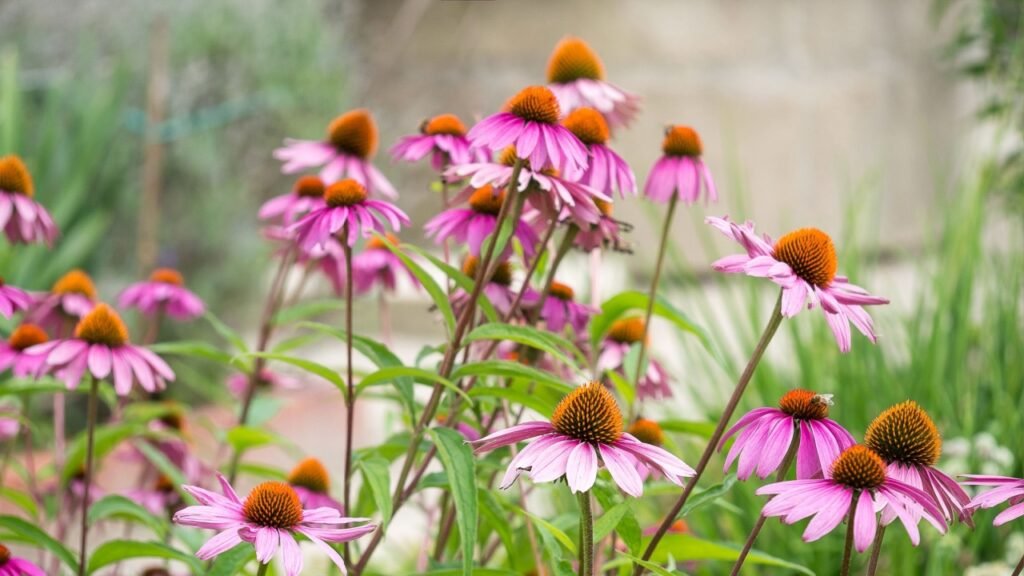
A sturdy perennial that adds beauty and immune-boosting power to your garden. A full bed lets echinacea grow tall and bloom freely while allowing space for root harvesting after a few years.
9. Valerian
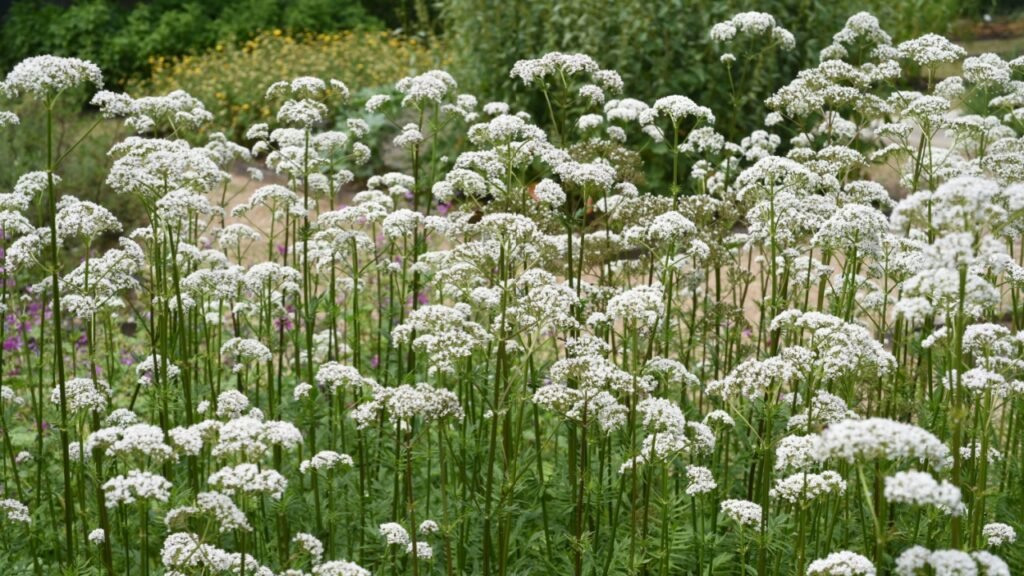
With tall flowering stalks and strong-scented roots, valerian appreciates its own quiet corner. It’s calming to the nerves and beautiful to the bees.
10. Sage
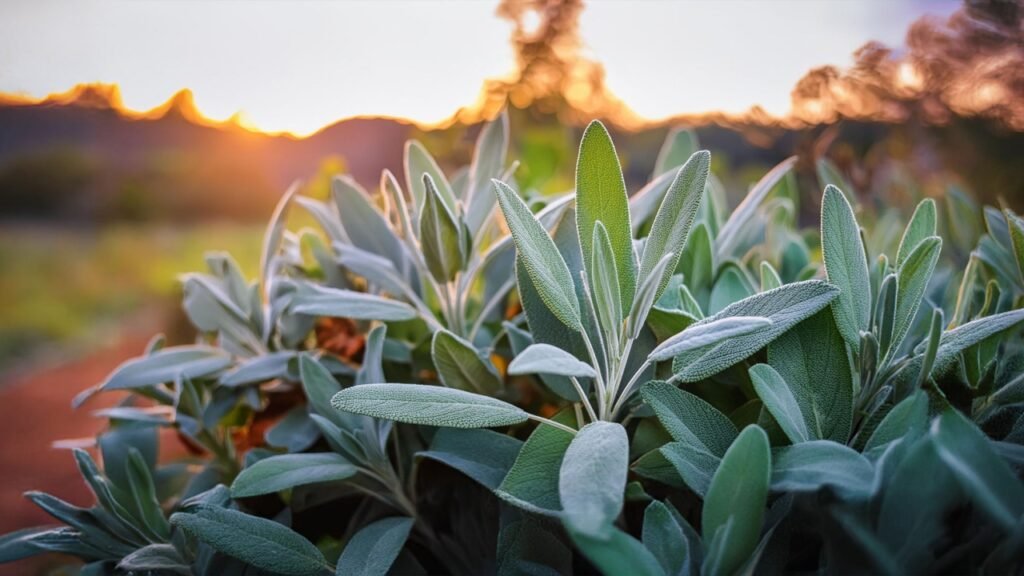
This wise elder thrives when it’s not overshadowed by others. A sunny, well-drained bed lets sage grow into a fragrant, woody companion for years.
11. Holy Basil (Tulsi)
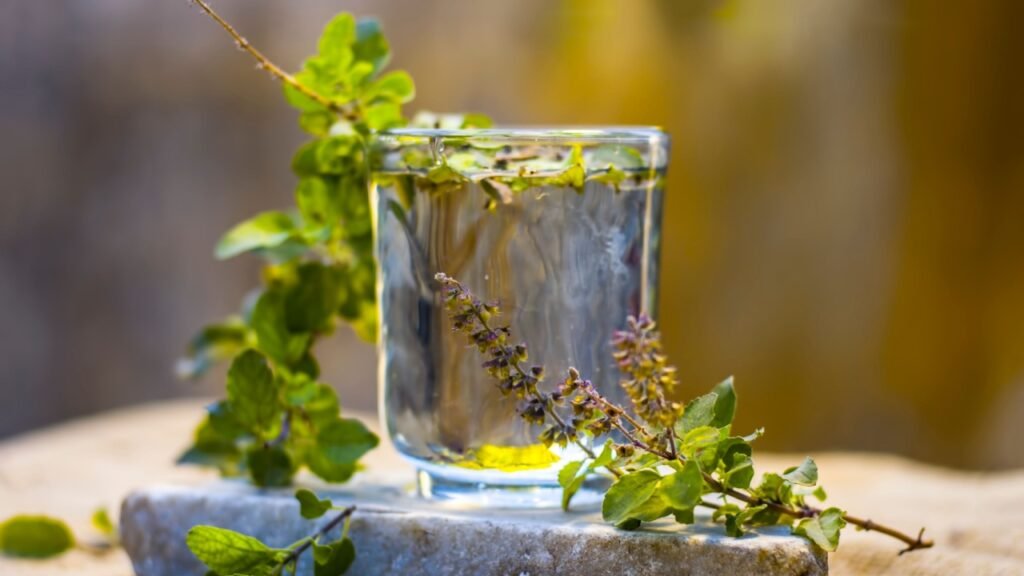
Highly aromatic and sacred in many traditions, tulsi deserves room to breathe. It grows bushy and tall and benefits from frequent harvests.
12. Oregano
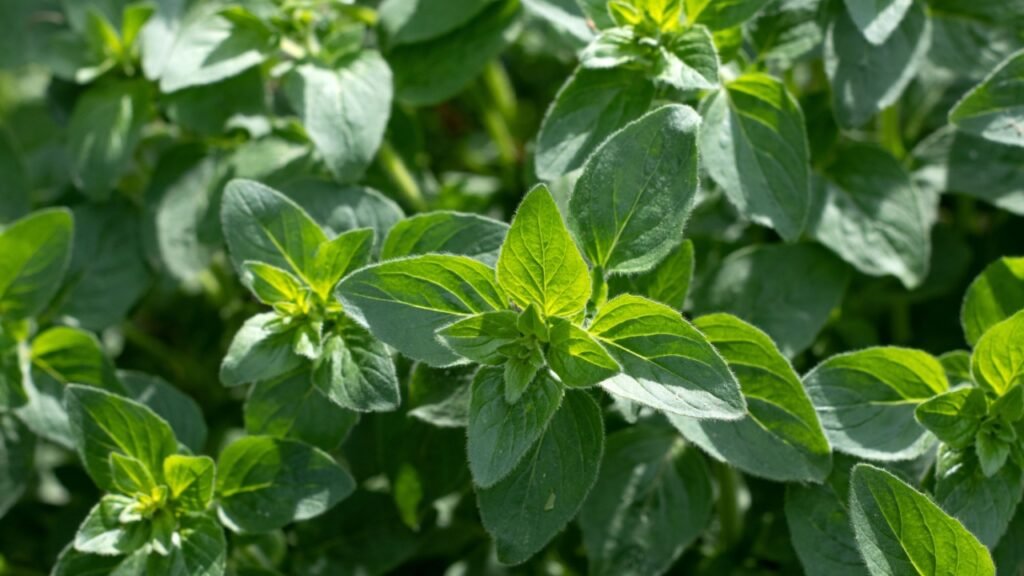
Low-growing but vigorous, oregano can quickly dominate a mixed bed. Giving it a dedicated space helps it thrive without smothering smaller herbs.
13. Lovage
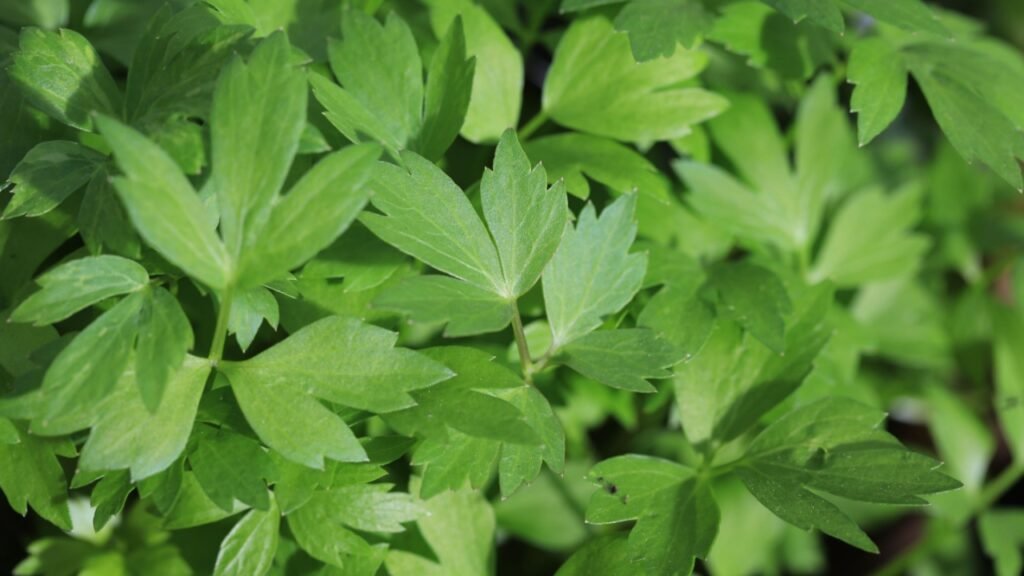
Tall and celery-scented, lovage is a bold perennial that needs elbow room. Its leaves, seeds, and roots are all useful in the herbal kitchen.
14. Feverfew
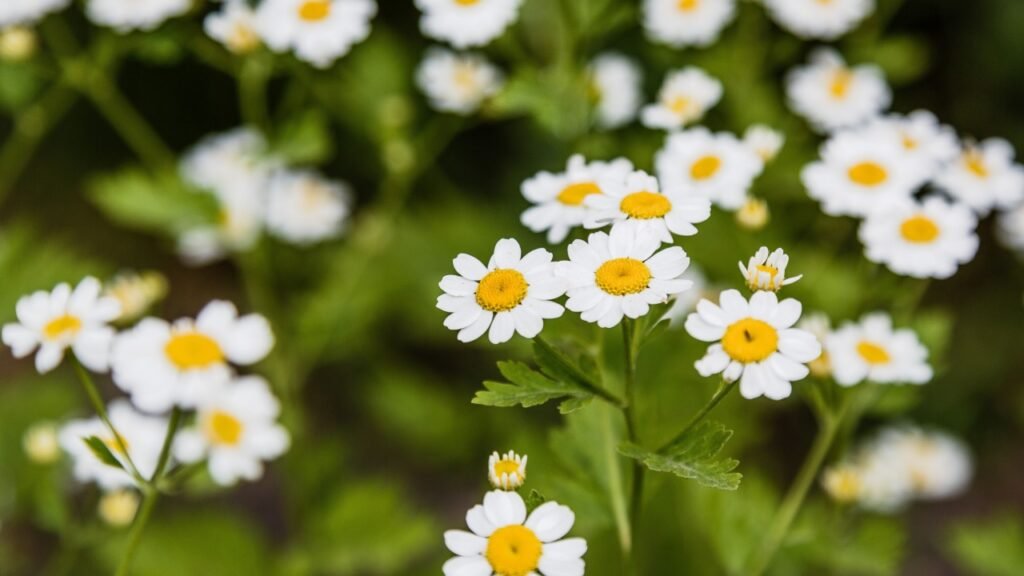
With daisy-like blossoms and a history of helping with headaches, feverfew spreads generously. A dedicated bed lets it reseed and return each year with ease.
These herbs aren’t demanding—they simply flourish when given room. A single raised bed or corner of the garden devoted to these plant allies creates a space of beauty, healing, and abundance that will serve you all season long.


No Comments