
When I first brought chickens home, I thought I was simply adding a few egg layers to the homestead. What I didn’t realize is that chickens aren’t just livestock — they’re personalities, comedians, and little teachers that come with their own set of surprises. If you’re considering chickens or just getting started, here are the lessons I wish someone had whispered to me before I built the coop and filled the feeder.
The coop matters more than the breed
It’s tempting to spend hours researching the friendliest or most productive breeds, but the truth is that your coop setup will make or break your chicken-keeping experience. Ventilation, predator-proofing, and enough space for the flock are non-negotiable. A poorly built coop invites illness and stress; a sturdy, well-planned one creates a safe, peaceful rhythm for the birds. If I could go back, I’d invest more time in designing the coop than scrolling through breed charts.
Predators are more clever than you think
I thought a simple latch would keep my chickens safe. I didn’t realize raccoons have hands nearly as nimble as ours, or that skunks and foxes will test a weak spot in the fence until they succeed. Hardware cloth, not chicken wire, is the gold standard. I learned quickly that “it looks safe” and “it is safe” are two very different things.

Chickens have social hierarchies — and drama
The phrase “pecking order” isn’t a metaphor; it’s daily life in the coop. Chickens establish dominance, and sometimes that means one hen gets picked on. A larger flock can actually diffuse aggression, but too few birds may lead to one being singled out. I wish I had known to watch for bullying early and provide enough space, feeders, and perches so everyone had room to be themselves.
Egg laying isn’t always consistent
I expected baskets full of eggs every day. In reality, chickens lay according to age, breed, season, and even stress. Young hens start strong, but output slows with time. In winter, without supplemental light, most hens take a natural pause. At first I worried something was wrong; later, I learned to respect the cycle. Chickens aren’t machines — they follow the rhythm of nature.
Feed is more than filler
I used to think chicken feed was one-size-fits-all. Then I learned how much difference good nutrition makes. Layers need the right balance of protein, calcium, and grit. Without it, you’ll see weaker shells or health issues. Scratch grain is a treat, not a diet. I also learned that food scraps can be both a gift and a hazard; not everything from the kitchen belongs in the run.
Chickens are dust bath fanatics
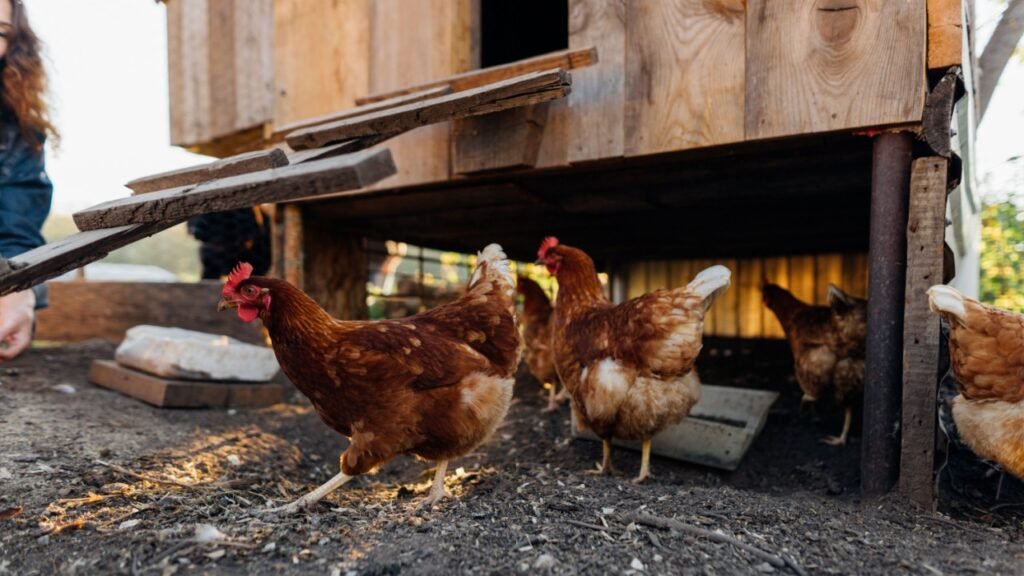
I didn’t realize how important dust baths are to a chicken’s health. It’s not just a quirky habit; it’s how they clean themselves and ward off mites. If you don’t provide a spot with loose soil, they’ll find one — often in your garden bed. A dedicated dust bath area filled with sand, soil, and even a little wood ash will keep them happy (and save your cabbages).
They are noisier — and quieter — than you expect
Roosters get all the attention for being loud, but hens make their own symphony. The “egg song” after laying, the murmurs when they settle for the night, the sharp alarm calls when something is near — it’s a soundtrack you either grow to love or tolerate. On the flip side, I was surprised at how peaceful they can be, scratching quietly in the yard or dozing in the sun.
Chickens are surprisingly fragile
For as sturdy as they look, chickens are prone to illness and injury. Heat waves, sudden cold snaps, or parasites can take a toll quickly. I wish I had known basic first aid earlier — how to recognize mites, what to do for heat stress, how to isolate a sick bird. Losing a hen is part of the experience, but being prepared softens the blow.
You’ll get attached
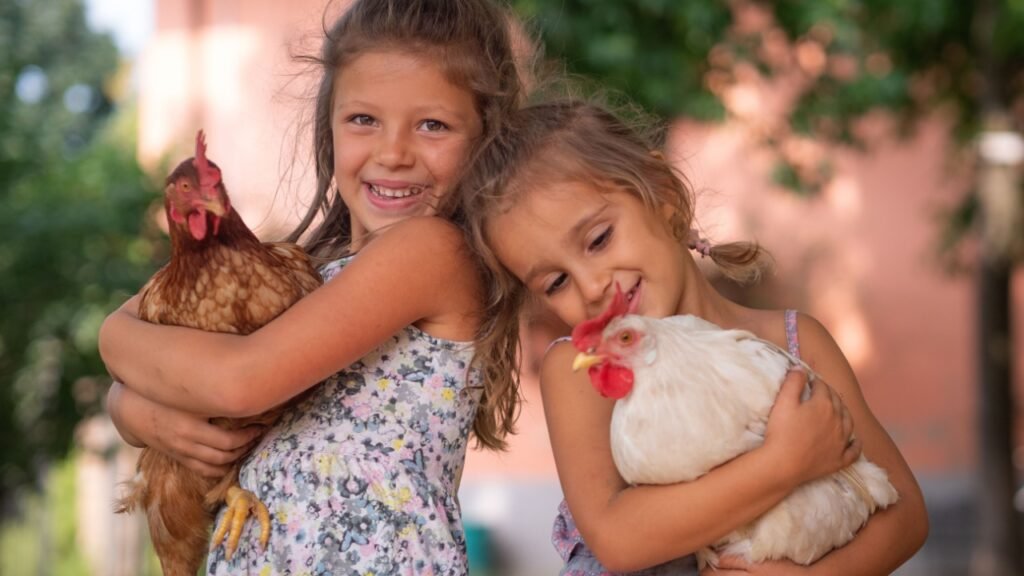
This one I underestimated. I thought I was raising chickens for eggs, but I didn’t expect to care so deeply about them as individuals. They each have quirks — one curious, one shy, one bossy — and once you recognize their personalities, it’s impossible not to feel affection. Chickens make you laugh, frustrate you, and yes, sometimes break your heart.
The real lesson: it’s worth it
Chickens change the rhythm of a household. They tie you more closely to the land, to the weather, and to the cycles of light and dark. Their eggs taste richer than anything from a store, but beyond that, the daily tending, the watching, the learning — it makes you present. Raising chickens isn’t always easy, but it brings rewards far beyond breakfast.
If I could whisper one thing to my past self, it would be this: don’t be afraid to start, but be ready to learn. Chickens will teach you as much as you teach them. And even with the hard lessons, I wouldn’t trade a single day with my flock.





No Comments