
Not every practice of the past fades away. Some habits prove themselves so useful, comforting, or grounding that they carry on across generations, surviving even as technology changes and life speeds up. These everyday household traditions stood the test of time — small but steady rituals that remind us how home has always been built on repetition, care, and rhythm.
Sunday dinners
The tradition of gathering for a hearty Sunday meal is one of the strongest throughlines from the past to today. While the menu has shifted over the years — roast chicken, pot roast, pasta, casseroles — the heart of it remains the same: a set time for family to slow down and share food together. Even in households that don’t observe it weekly, the idea of Sunday dinner as a moment of pause has endured, offering connection that transcends busy schedules.
The family recipe box
Handwritten recipe cards are more than instructions; they are living heirlooms. Passed down through mothers, grandmothers, and neighbors, these recipes often carry the notes and smudges of kitchens long past. Even in an era of digital cookbooks and food blogs, many families still turn to the old recipe box when holidays or special meals arrive. It’s not just about the food, but the continuity of flavor, memory, and love baked in.

Seasonal cleaning
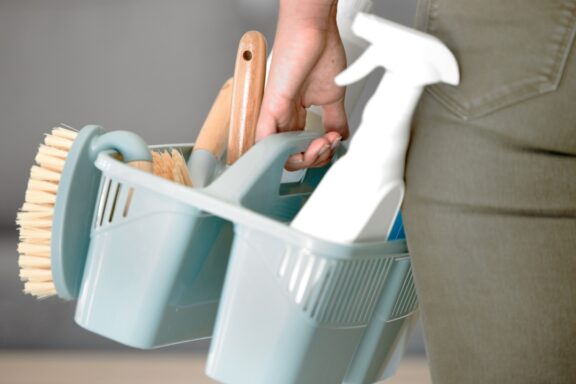
The idea of “spring cleaning” isn’t a modern invention. Generations ago, when homes were heated with coal or wood, soot and dust built up over winter. Once the weather warmed, families opened windows, beat rugs, scrubbed walls, and gave the home a fresh start. While today’s heating systems don’t require the same overhaul, the tradition remains. Seasonal deep cleaning still marks transitions in the year, a way of refreshing both home and spirit.
Keeping a pantry stocked
Before supermarkets, a well-stocked pantry wasn’t just convenient — it was survival. Families kept shelves lined with flour, sugar, dried beans, and preserved goods, ready to carry them through lean months. While fewer households now depend on home preservation, the tradition of keeping a pantry ready for everyday meals and unexpected guests hasn’t faded. In fact, recent years have renewed appreciation for this steady practice of preparedness.
Handwritten letters and notes
Though email and texts dominate communication, the handwritten note has never fully disappeared. Whether it’s a thank-you card, a birthday letter, or a holiday greeting, the tradition of setting pen to paper continues. People still cherish the personal touch of handwriting — the loops, the quirks, the permanence — as something that technology can’t quite replace.
Passing down quilts and handmade goods
Handwork was once a necessity, with families knitting, quilting, and sewing to keep everyone clothed and warm. Today, many of those skills are hobbies rather than requirements, but the tradition of passing down handmade items remains strong. A quilt stitched by a grandmother, a crocheted blanket, or a piece of embroidery carries both artistry and memory. These pieces are valued not just for utility, but as links to family history.
Lighting candles for warmth and welcome
Long before electricity, candles were the only light at day’s end. While they’re no longer necessary, the tradition of lighting a candle to create warmth and atmosphere has endured. Many families keep candles on the table for meals, in the windows at holidays, or beside the bath for moments of quiet. Their soft glow remains timeless, a symbol of comfort and gathering.

Marking seasons with décor
From garlands in winter to fresh flowers in spring, decorating the home according to the season is a practice that persists. Even when store-bought decorations have replaced handmade ones, the impulse is the same: to bring the rhythm of nature indoors. Pumpkins in the fall, wreaths in December, tulips in April — these small changes reflect a tradition of honoring time’s passage through the home.
Family game nights
Entertainment once meant gathering around the table with a deck of cards or a board game. Despite the rise of screens, game nights remain a cherished tradition. They provide a break from technology, a chance for laughter and connection. Many families still reach for Monopoly, Scrabble, or newer favorites, keeping alive the old rhythm of play that has bound households together for generations.
Blessing the meal
While the language and style vary, the practice of pausing before a meal to give thanks has endured across cultures and generations. Whether through a prayer, a moment of silence, or a simple “cheers,” the tradition of acknowledging food as more than fuel continues to bring depth to the everyday act of eating.

The endurance of the ordinary
What ties these traditions together is not their grandeur but their ordinariness. They are small, repeated actions that shape the feel of home: a meal shared, a letter written, a pantry stocked, a quilt passed down. They remind us that while technology changes the tools, the rhythms of care and connection remain.
Everyday traditions endure because they meet a need deeper than convenience. They give us belonging, continuity, and comfort. And while new customs will emerge for future generations, the simple, steady practices of the past still echo in households today — proof that the quietest traditions often stand the strongest test of time.





No Comments