Not every homestead stretches across acres of pasture and open fields. Many people start small, with a backyard, a quarter acre, or even just enough space for a shed and a patch of grass. But even on a modest plot, animals can play an important role. They provide food, companionship, and a rhythm to daily life. The trick is choosing animals that suit the scale of your land and your lifestyle.
Chickens: the classic choice
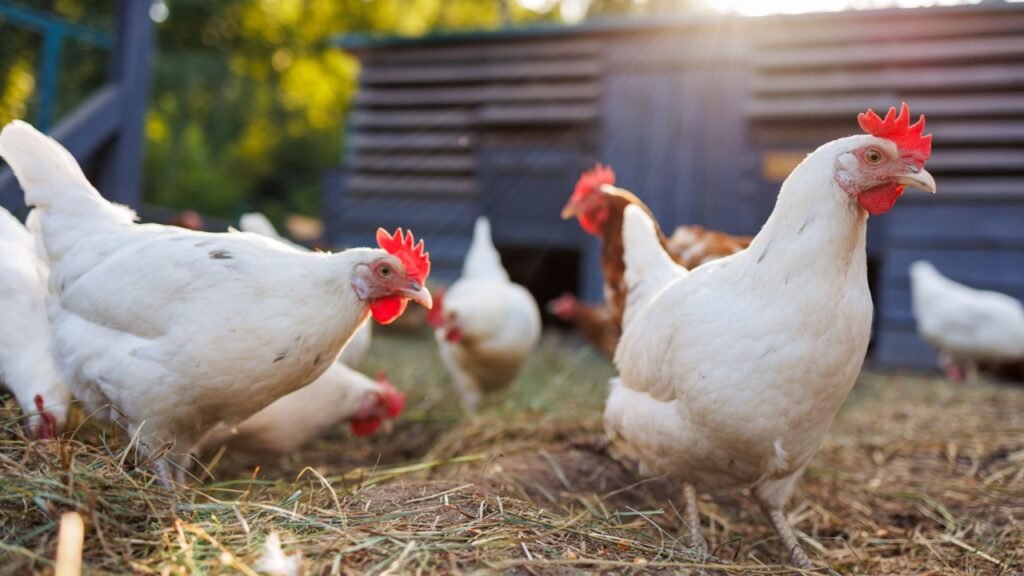
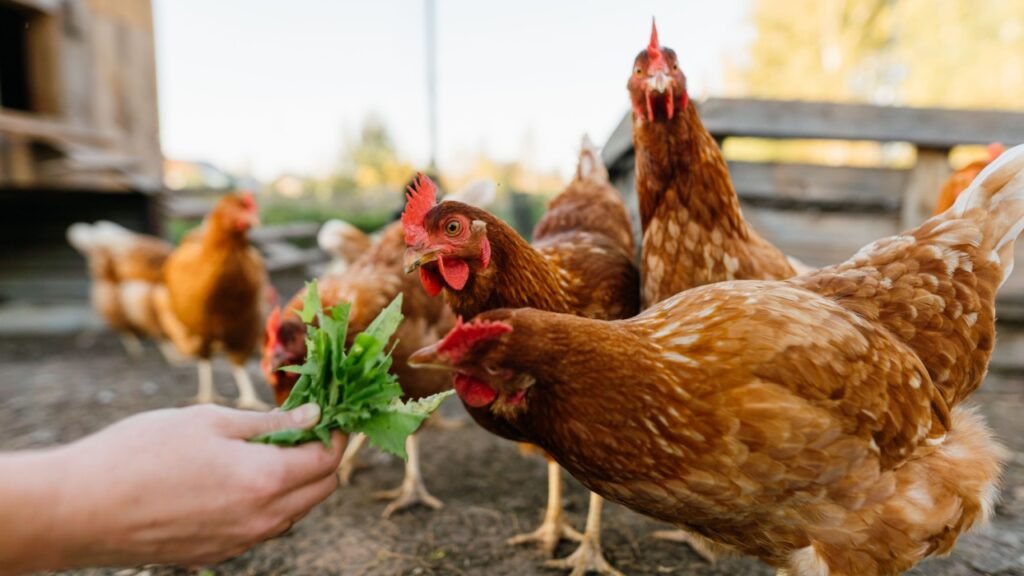
For most small homesteads, chickens are the first animals to arrive. They require relatively little space, offer a steady supply of eggs, and help manage pests in the garden. A small flock of three to six hens can thrive in a backyard coop, especially if they have access to a run or a safe, fenced space to scratch. Breeds like Buff Orpingtons or Plymouth Rocks are known for being friendly and productive, making them especially good for beginners.
Quail: compact and productive
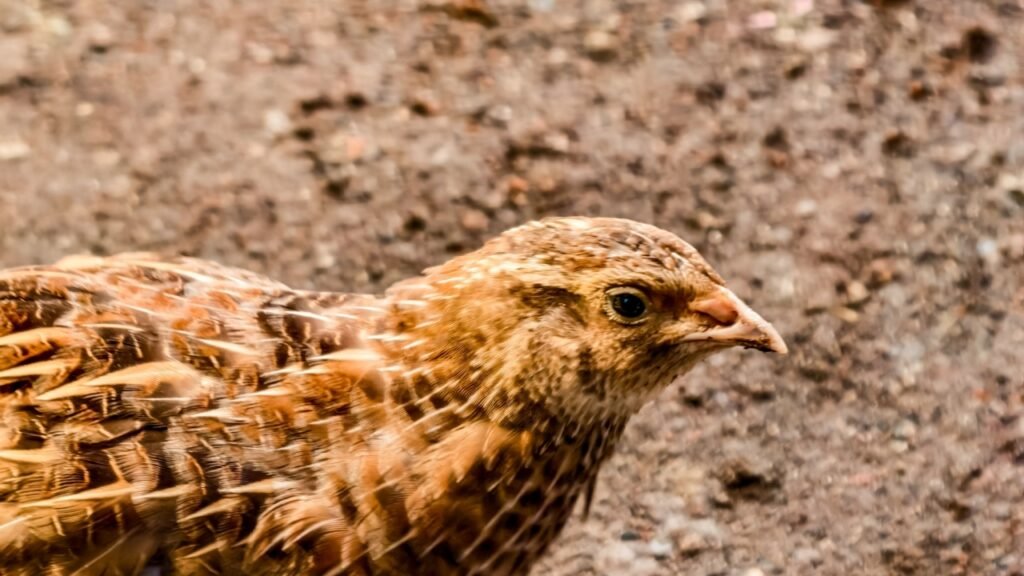
If space is very tight, quail may be even more practical than chickens. These little birds need only a small hutch and can be raised in a corner of the yard or even a sheltered garage. Despite their size, they lay an impressive number of eggs—often more than a chicken relative to their body weight. Their eggs are small but nutritious, and quail meat has long been considered a delicacy.
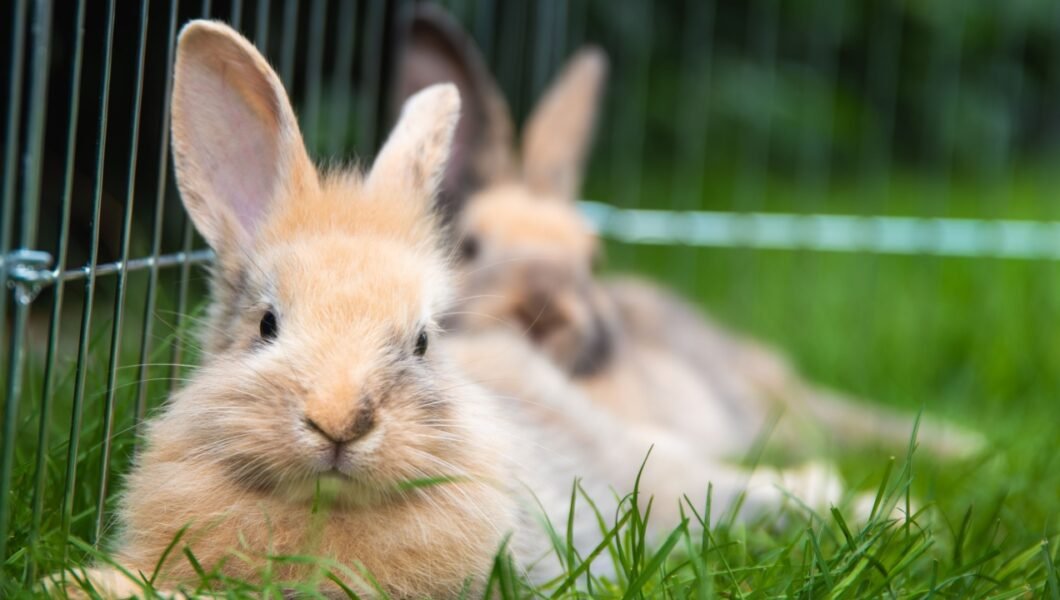
Rabbits: quiet and versatile
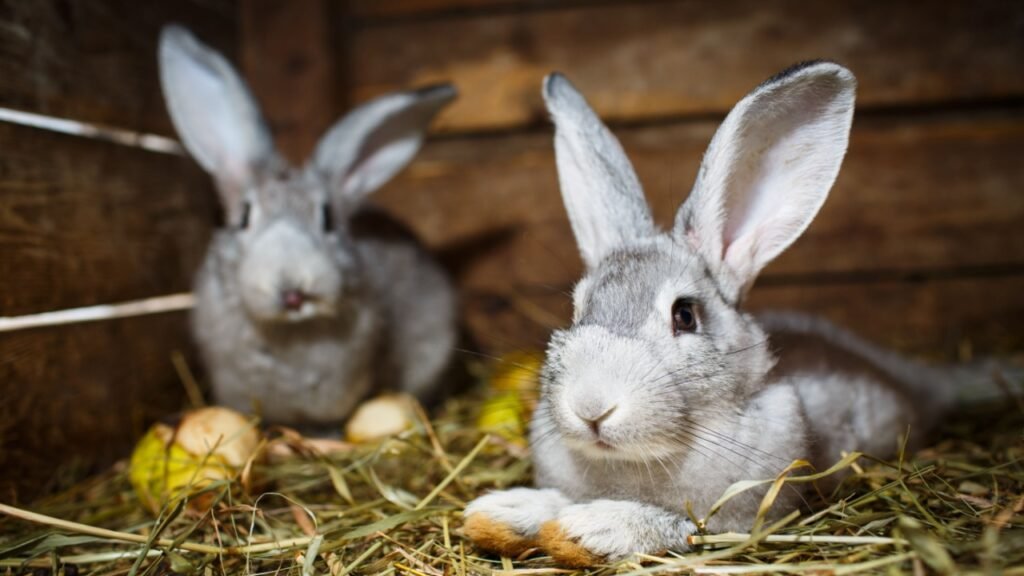
Rabbits are another good fit for small spaces. They can be kept in hutches or colony setups and provide both meat and manure for the garden. Their droppings are “cold,” meaning they can be used directly in the soil without composting first. Rabbits are quiet, relatively low-maintenance, and can even be handled as companion animals if you enjoy a more personal bond.
Ducks: hardy and helpful
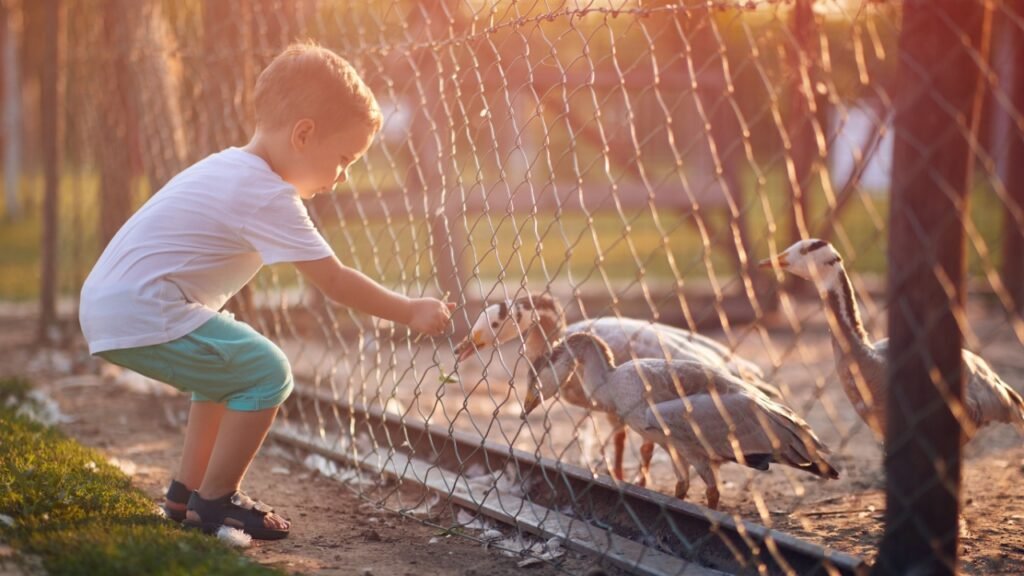
While ducks require more water than chickens or quail, they are still manageable on a small homestead if you have a kiddie pool or small pond. Their eggs are rich and excellent for baking, and ducks are famously good at controlling slugs and other garden pests. Breeds like Khaki Campbells and Indian Runners are prolific layers, while Pekins are valued for meat. A pair or small flock can easily be kept in a modest space with secure fencing.
Bees: tiny livestock with big returns
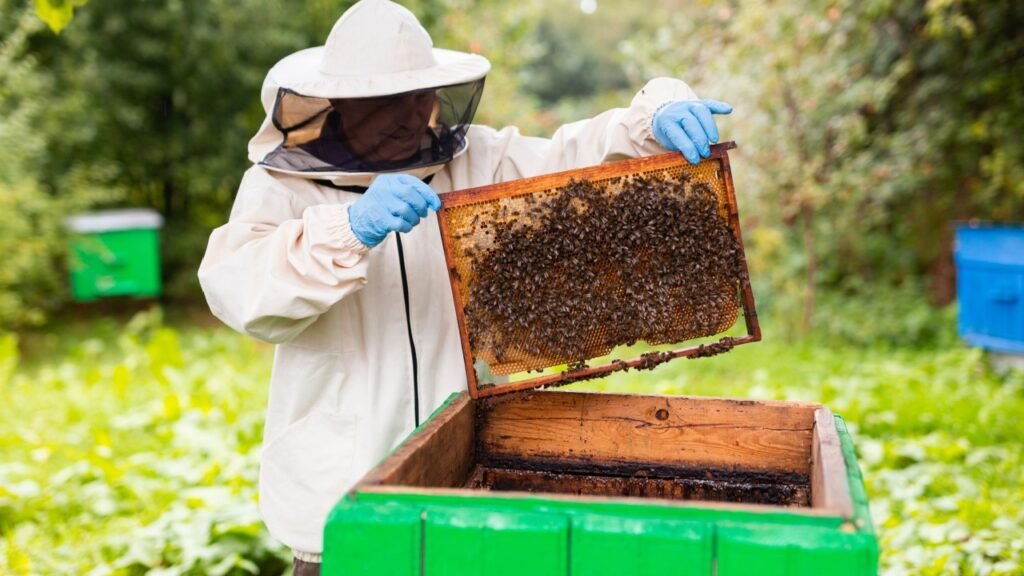
For those with limited ground space, bees are an ideal choice. A hive or two can fit on a sunny corner of the property, even in suburban settings, and provide not only honey but also pollination for gardens and orchards. Beekeeping does require some learning and seasonal care, but the rewards extend far beyond jars of golden honey. The presence of bees can transform a homestead’s productivity.
Goats: possible, but choose carefully
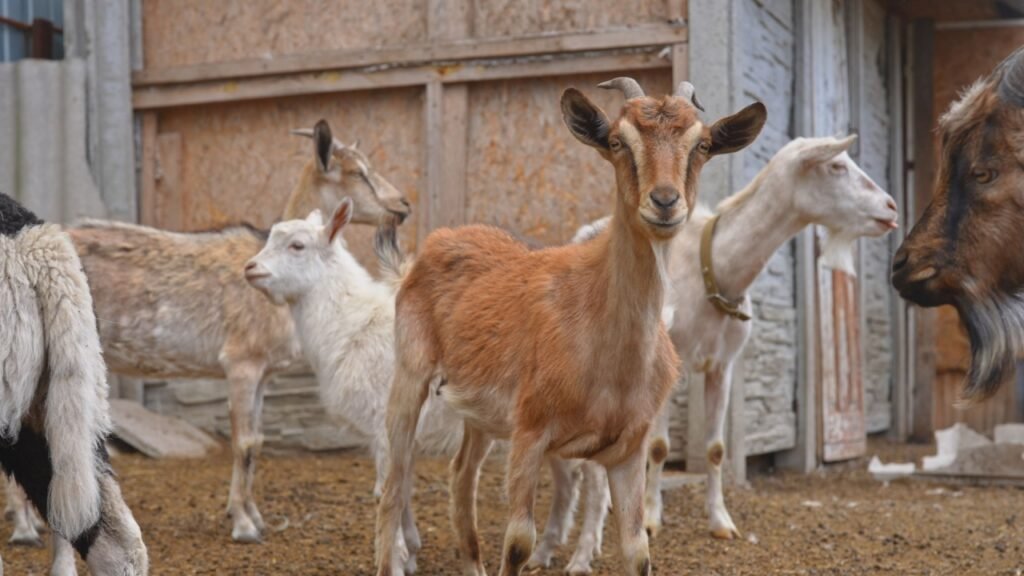
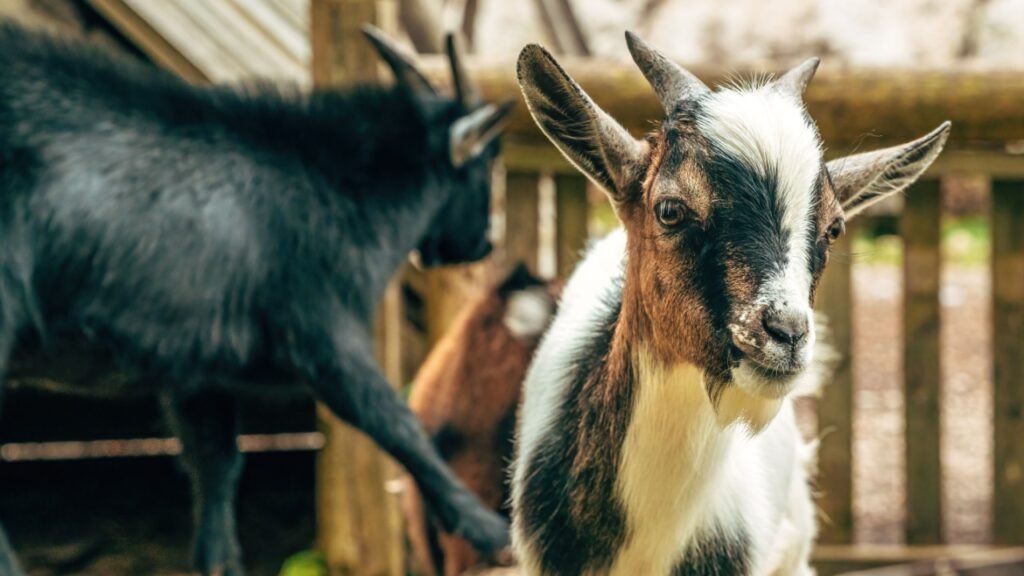
Goats are often the dream of new homesteaders, but not all properties can handle them. Even miniature breeds like Nigerian Dwarfs need sturdy fencing and room to browse.
That said, if you have a larger yard and want milk on a small scale, a pair of dwarf goats may be worth considering. Their milk is rich and can be used for drinking, cheese, or soap-making. Still, goats require more commitment and are best suited to those with a bit more space and experience.
If you choose to add goats, please get two; goats need company! (Trust me!)
Choosing what fits your life
When deciding which animals belong on your small-scale homestead, it helps to start by asking what you want most. Fresh eggs? Compost for the garden? Honey? A source of milk? Each animal offers something unique, but all require daily care and a willingness to adapt routines around their needs.
Starting with one or two species and keeping the flock or herd small is often the wisest choice. It allows you to learn the rhythms of feeding, cleaning, and caring for animals without being overwhelmed. Over time, you may expand, or you may find that a few quail, a rabbit hutch, or a backyard chicken coop provides all the joy and sustenance you need.
Small space, big impact
Even the smallest homestead can feel more alive with the addition of animals. Their presence brings movement, purpose, and nourishment. A quail’s soft call, a hen scratching in the dirt, a rabbit quietly nibbling hay — these daily sights and sounds become part of the fabric of home life.
You don’t need acres to enjoy the benefits of homesteading animals. With thoughtful choices and a little planning, even a small patch of land can support a lively, productive menagerie.



No Comments