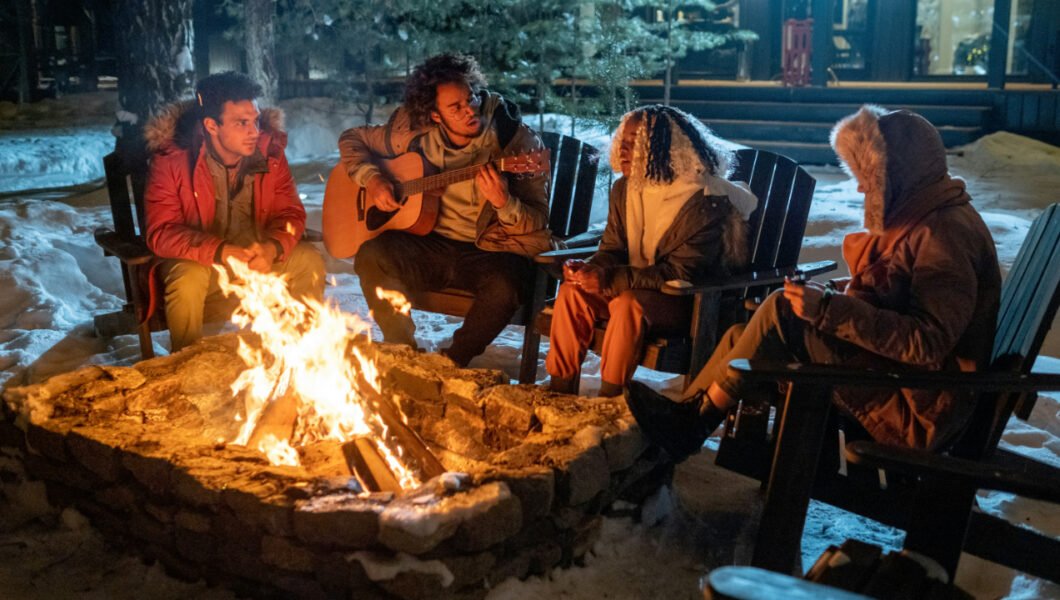
Winter has always been a season of both hardship and togetherness. Before electricity brightened every corner and central heating kept the chill at bay, communities relied on tradition as much as firewood to carry them through the long, dark nights. These customs were more than just ways to pass the time—they wove people together, offering warmth in spirit as well as body.
At The Quiet Harvest, we sometimes recommend products that make homesteading, cooking, and cozy living a little easier. When you click on one of our Amazon or affiliate links and make a purchase, we may earn a small commission—at no extra cost to you. It’s one way we keep this space thriving, so we can continue sharing recipes, garden wisdom, and quiet living inspiration. Thank you for supporting us in this simple, meaningful way.
Gathering by the hearth
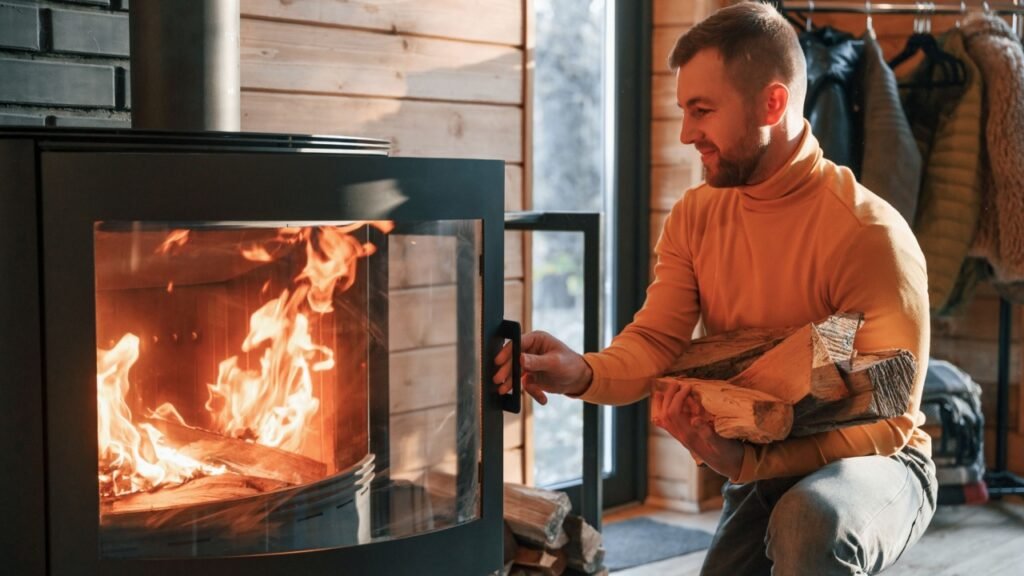
At the heart of every home was the fire. Families and neighbors gathered close, not only for heat but for the comfort of shared company. Storytelling often unfolded here, with elders recounting tales of family history, local lore, or myths meant to explain the world. These evenings by the hearth connected generations, reminding everyone that though winter was long, they were part of something enduring.
Spinning, mending, and making
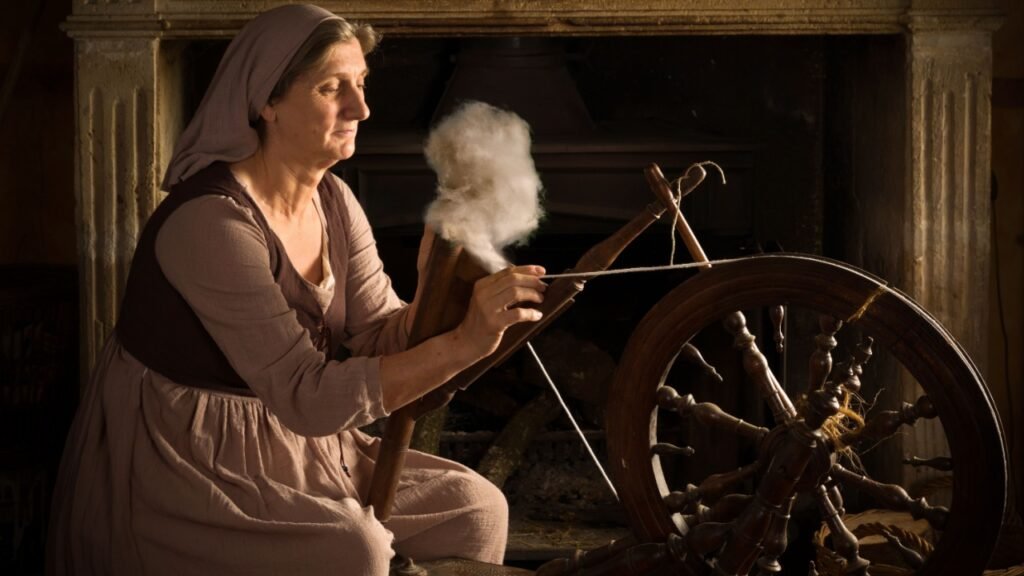
Winter was the season when hands turned to work best done indoors. Spinning wheels whirred, needles clicked, and looms clattered as people repaired or made clothing, quilts, and blankets. Women and men alike found purpose in preparing garments to last through another year. This work was more than a necessity; it was social, too. Neighbors might gather to spin and sew together, trading skills, conversation, and sometimes songs that lightened the labor.
Community feasts and suppers

Though resources could be scarce, winter still called for moments of celebration. Communal meals—whether a church supper, a barn gathering, or a neighborly exchange of pies and stews—helped stretch food stores while lifting spirits. Sharing a dish was more than an act of kindness; it was a declaration that no one had to weather the season alone.
Music for the long evenings

Without radios or streaming, music came from the people themselves. Fiddles, flutes, and simple drums accompanied singing, and many families passed down songs that were centuries old. In some places, winter nights meant dances in cleared barns, where boots stomped and skirts twirled until the cold outside was forgotten. Even the smallest tunes helped carry hearts through the stillness of the season.
Seasonal rituals and blessings
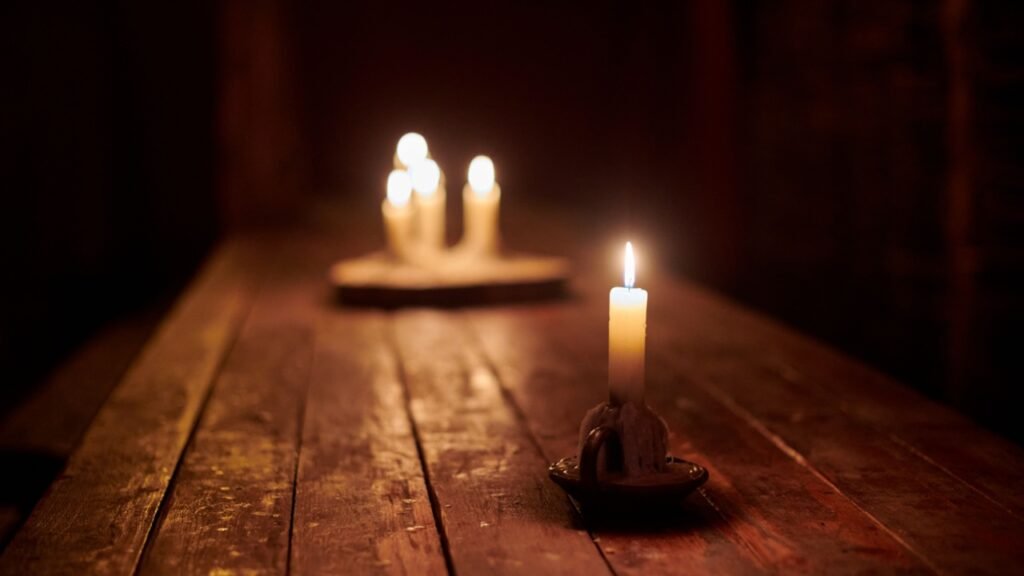
Communities often marked the turning of winter with rituals meant to call back the light. Candlelight processions, prayers for fertile fields, and traditions tied to the solstice or holidays like Christmas or Epiphany gave meaning to the season’s hardships. These customs acknowledged the darkness while also offering hope—an assurance that spring would return.
Neighborly help in hard times
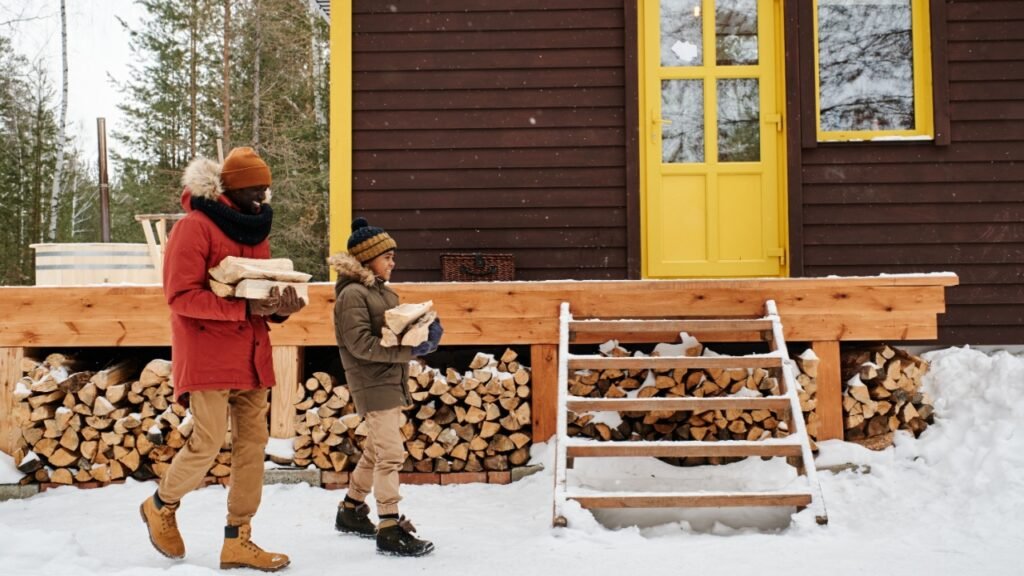
The winter nights could feel endless, but what carried people through was helping each other. Neighbors trudged through the snow to check in, drop off a bundle of firewood, or share a pot of stew when cupboards grew thin. Big gatherings like barn-raisings and quilting bees belonged to summer, but in the quiet of winter, kindness showed up in smaller ways—gentle, everyday acts that kept everyone warm and connected.
Games and quiet pastimes
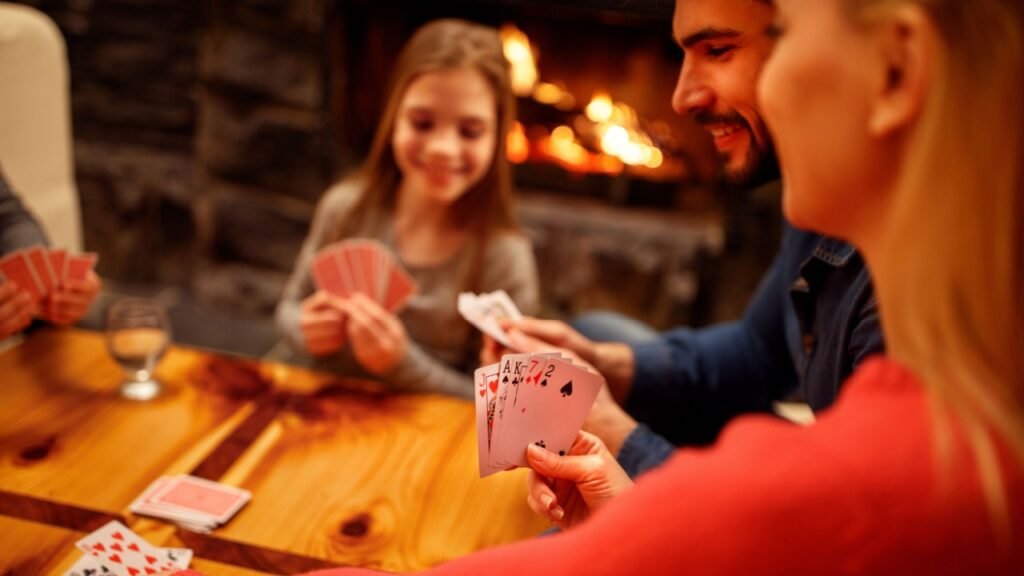
Winter also made space for quieter joys. Card games, puzzles, and riddles entertained both children and adults. Some families carved wooden toys, others read from treasured books, and still others practiced folk crafts like basket-weaving or whittling. These activities filled the hours between chores and reinforced the idea that rest and creativity had a place alongside hard work.
Carrying light forward
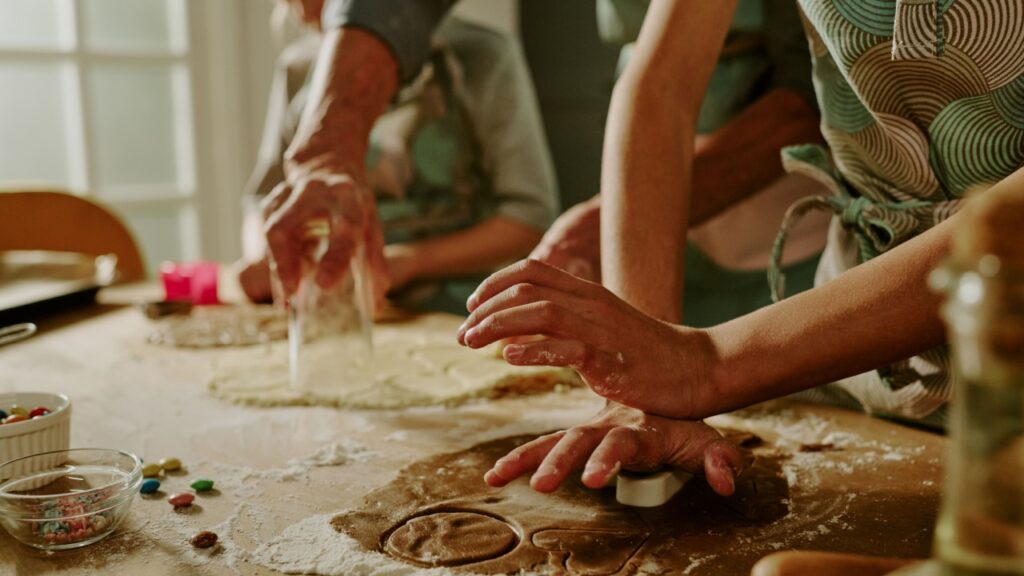
Winter traditions didn’t just help people survive—they taught communities how to carry light, both literal and figurative, through darkness. In gathering, sharing, creating, and caring, neighbors discovered a strength that no single household could manage alone. These rituals reminded them that while the nights were long, they were also full of meaning, connection, and hope.
Many of these customs linger today in smaller ways—family board games by the fire, candlelit holiday meals, or neighbors dropping off cookies in the cold. They remind us that winter’s challenge has always been met not only with blankets and food, but with the warmth of human connection.





No Comments