
Walk through a grocery store today and you’ll pass dozens of items we take for granted—foods we can grab without thinking twice. But not long ago, many of these everyday staples were once prized luxuries, reserved for the wealthy or enjoyed only on special occasions. Changes in farming, shipping, and preservation transformed them into everyday foods, but their history still carries a sense of wonder.
At The Quiet Harvest, we sometimes recommend products that make homesteading, cooking, and cozy living a little easier. When you click on one of our Amazon or affiliate links and make a purchase, we may earn a small commission—at no extra cost to you. It’s one way we keep this space thriving, so we can continue sharing recipes, garden wisdom, and quiet living inspiration. Thank you for supporting us in this simple, meaningful way.
Sugar
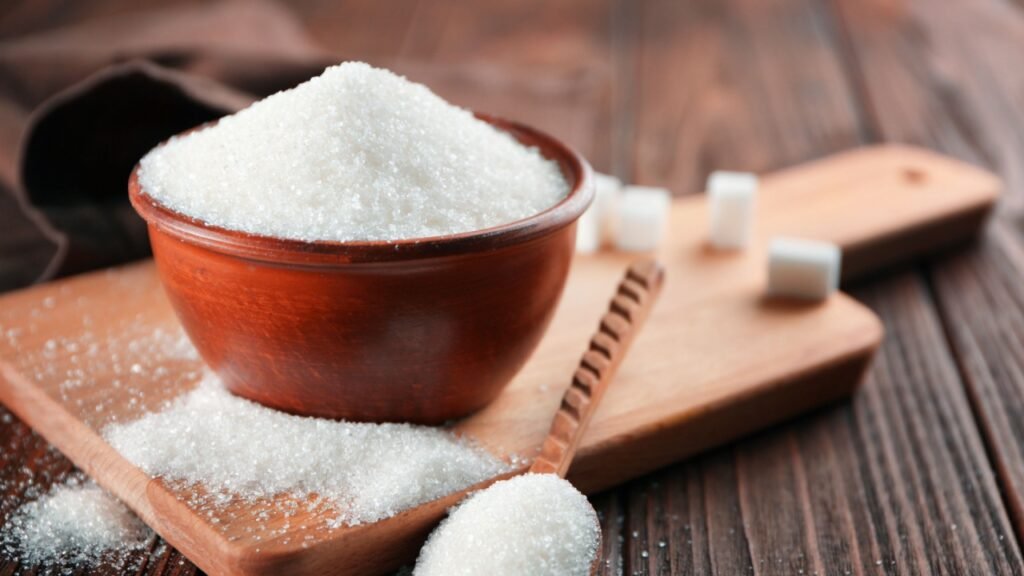
Few ingredients shaped history as much as sugar. Once imported in small, expensive quantities, it was considered a luxury for centuries. In colonial America, it was so prized that hostesses displayed sugar loaves in ornate containers. By the mid-20th century, sugar production had scaled so much that it became an everyday staple and appeared in coffee, cereals, baked goods, and nearly every processed food on the shelf. What was once rare is now nearly impossible to avoid.
Salt

It’s hard to imagine now, but salt was once so valuable that it shaped trade routes and was even used as currency in parts of the world. Its ability to preserve food made it essential long before refrigeration, and access to it could determine the survival of entire communities. Today, we casually shake it over dinner, rarely thinking about the fact that for centuries it was a guarded treasure.
Chocolate
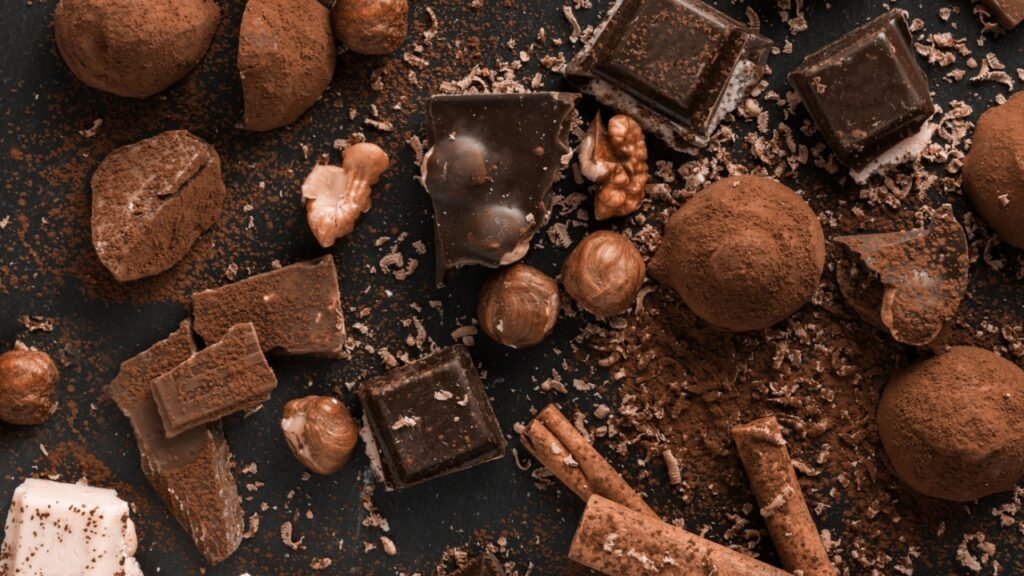
Chocolate, in its earliest form, was consumed as a bitter, spiced drink by the elite in Mesoamerican cultures. When it arrived in Europe, sugar was added, and it became a luxury reserved for nobility. It wasn’t until the Industrial Revolution and innovations in processing that chocolate bars and cocoa powder became accessible to ordinary households.
Today, chocolate is an everyday indulgence—from candy bars to hot cocoa—but its luxurious beginnings still linger in every bite.
My most favorite way to enjoy chocolate is Crio Bru. If you haven’t tried it, it’s a beautiful way to integrate cacao into your daily routine without guilt.
Coffee and tea
M
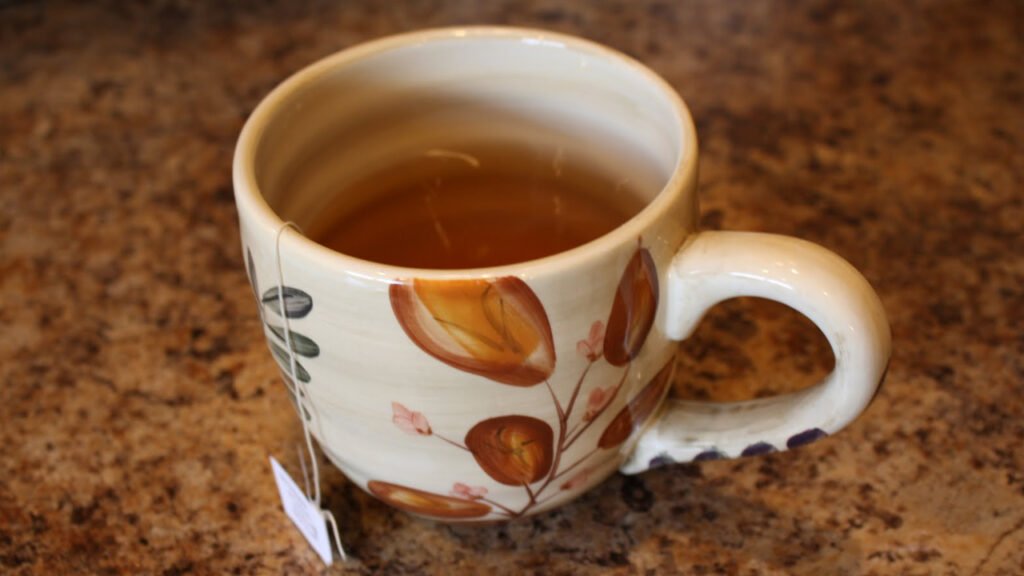
Both coffee and tea once traveled long distances along global trade routes, making them rare and expensive. In 18th-century England, tea was heavily taxed and stored under lock and key, often served only to guests as a symbol of refinement.
(Try some of my favorite fall teas here)
Coffee, likewise, was once a special treat reserved for the upper classes. Now they’re morning essentials, brewed daily in kitchens around the world, though specialty blends and rare varieties still remind us of their once-exclusive status.
Spices
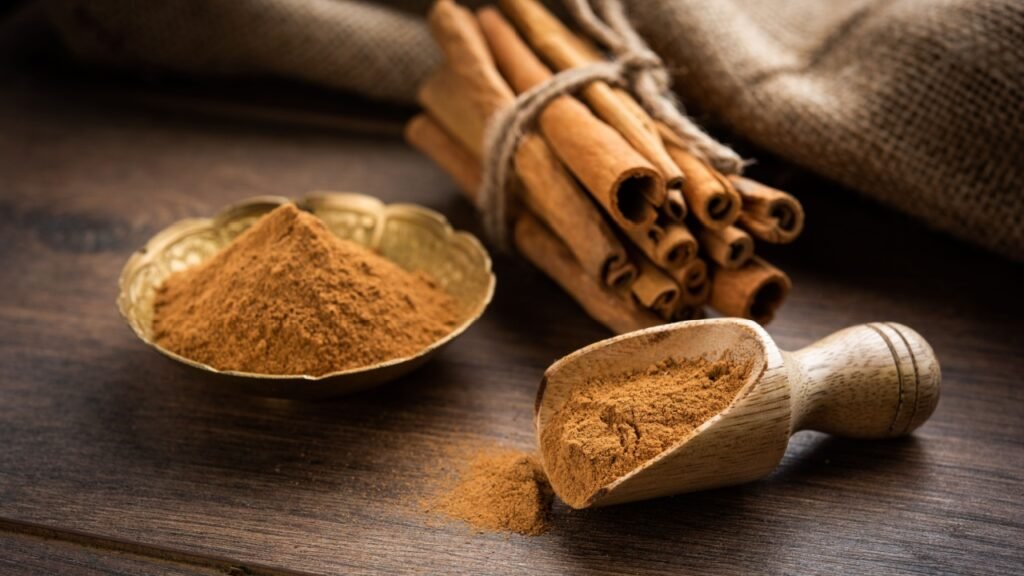
Cinnamon, nutmeg, black pepper, cloves—these familiar seasonings were once the foundation of entire empires. Wars were fought over them, and they were stored as carefully as gold. For centuries, adding spice to food was a sign of wealth and prestige. Today, a trip to the supermarket offers dozens of spices in tidy glass jars, making it easy to forget how coveted they once were.
Rice
In many Western households, rice is viewed as a cheap and filling staple. But historically, it was an elite food. In medieval Europe, it was considered a delicacy imported from faraway regions. In parts of Asia, rice has long been tied to status, ritual, and culture, with white polished rice once reserved for the wealthy while others ate more fibrous grains. Now, it’s one of the most common foods worldwide, found in every pantry.
Fruit out of season
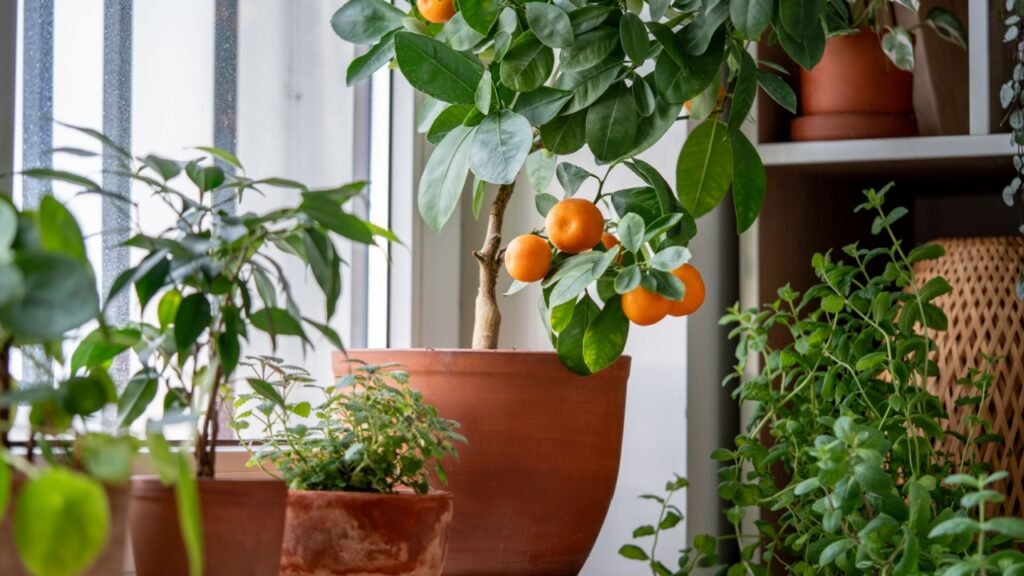
For much of history, fruit was tied to the seasons. Strawberries appeared in June, apples in the fall, and citrus was a winter treat for those who could afford imported goods. Receiving an orange in a Christmas stocking was once a rare delight. Thanks to global shipping, refrigeration, and greenhouses, bananas, berries, and melons are now available year-round, making what was once special an everyday occurrence.
Bread made with white flour
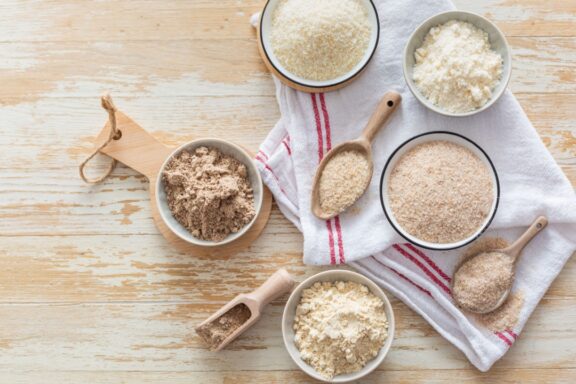
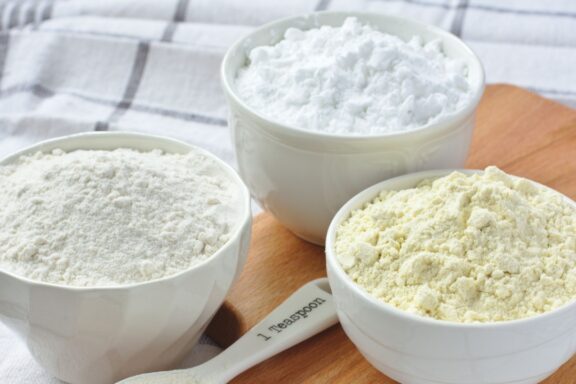
Bread was once darker, coarser, and more labor-intensive to produce. White flour required additional milling and sifting, making it more expensive and considered a mark of refinement. Families who could afford it enjoyed lighter, softer loaves, while others ate heavier, whole-grain versions. Today, white bread is the standard in many kitchens, though artisanal whole-grain breads have reclaimed their own prestige.
Why this shift matters
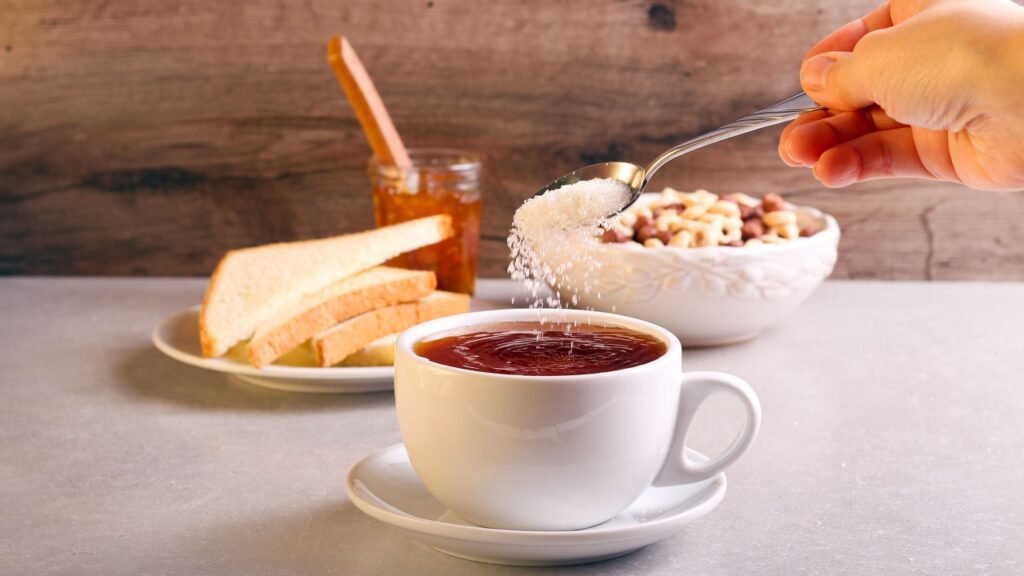
The next time you sweeten your tea, slice into a loaf of bread, or sprinkle cinnamon on oatmeal, it’s worth pausing to remember: these simple acts were once luxuries, moments that would have been savored with far more ceremony.




No Comments