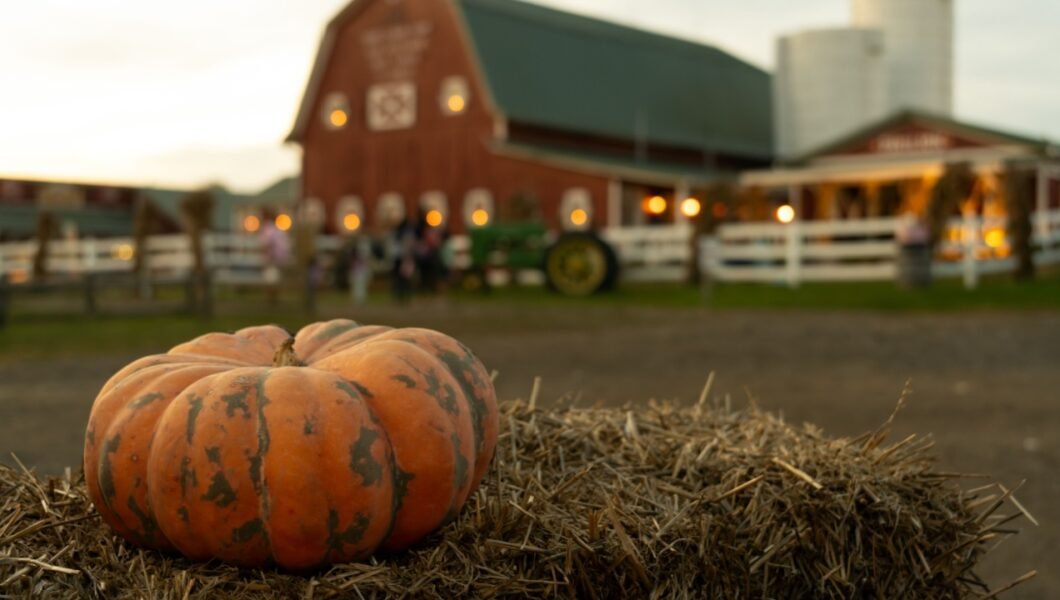
As the seasons turn and the fields are gathered in, autumn has long carried with it a sense of mystery. The shortening days, falling leaves, and final harvests of the year created fertile ground for folklore and superstition. For centuries, farming families watched the skies, the soil, and the signs of nature, believing that small rituals and warnings could protect their homes and ensure a good yield the following year. Many of these old beliefs linger in memory even today, woven into the rhythms of autumn traditions.
The last sheaf of grain
In parts of Europe, the final sheaf of wheat or barley harvested was thought to hold the spirit of the crop. Cutting it was done with ceremony, sometimes by the youngest worker or the farmer’s wife, and the bundle was kept safe until the next planting season. In some regions, it was fashioned into a corn doll, believed to guard the home and guarantee fertility in the fields. To waste the last sheaf was to risk poor harvests or invite misfortune for the year ahead.
Apples as omens

Autumn was also the season for apples, and with them came a host of superstitions. In Britain and Ireland, bobbing for apples wasn’t only a party game—it was tied to fortune-telling. Whoever bit into an apple first was said to be the next to marry. Cutting an apple crosswise to reveal the star-shaped core was thought to bring luck, while a rotten apple in the barrel signaled trouble to come. Apples carried weight not only as food but as symbols of fate.
Crows, rooks, and blackbirds
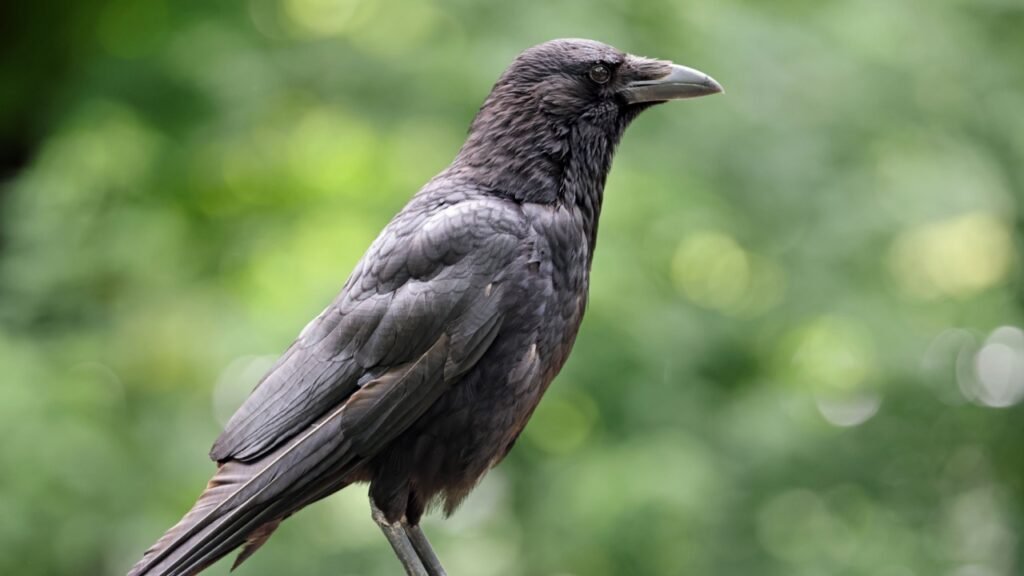
Birds circling above freshly cut fields were often seen as messages. Crows were thought to carry the souls of the dead or to warn of coming storms, while rooks flocking together after harvest could mean a hard winter. Farmers paid close attention to these winged signs, believing that ignoring them might invite loss. Some households even left offerings of grain at the field’s edge to keep the birds—and fate—on their side.
Bonfires of protection
As the nights grew longer, fire became both practical and symbolic. Across Europe, bonfires lit at harvest’s end were said to protect the land from evil spirits and cleanse the fields for the next year. In some places, embers from the communal fire were carried home to rekindle the hearth, thought to bless the household with warmth and safety through the cold months ahead.
Weather signs in the fields

Superstitions often blurred with observation. A ring around the moon in autumn was seen as a sign of coming rain. Heavy fog in September meant a mild winter. The thickness of corn husks or onion skins was believed to predict how bitter the frost would be. These beliefs carried practical wisdom, but they also offered comfort—an assurance that nature itself gave hints of what lay ahead.
The restless dead
Harvest time was close to All Hallows, when the boundary between worlds was believed to thin. In many traditions, autumn was a season when the dead could walk again, and offerings of food were left in the fields or at the edge of the village to appease wandering spirits. The belief tied back to the idea that the land itself carried souls, both of ancestors and of the crops they tended.
Why they linger
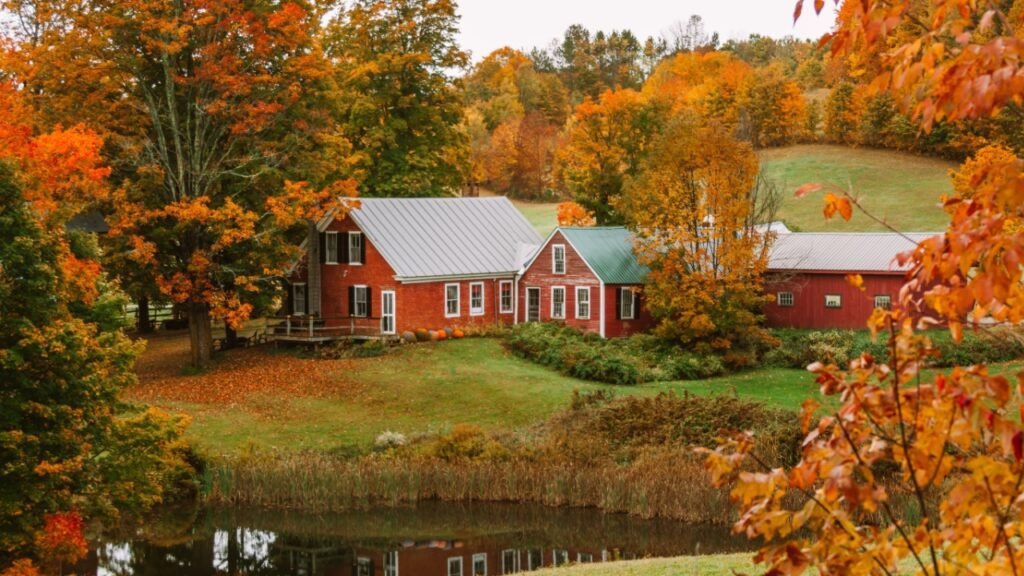
These autumn superstitions may sound quaint now, but they were rooted in the uncertainty of life tied so closely to the land. A failed harvest could mean hunger, and small rituals—whether preserving the last sheaf, watching the birds, or lighting fires—gave a sense of control in a world where much depended on weather and chance.
Today, many of these old practices have slipped into memory, but the spirit behind them remains. Autumn still feels like a turning point, a season heavy with both endings and beginnings. Even as we gather pumpkins, sip cider, or watch the leaves fall, we carry echoes of those older beliefs—reminders that harvest time has always been a season of reverence, mystery, and hope for what comes next.




No Comments