

During the Second World War, food wasn’t just a matter of convenience—it was a matter of national security. Governments across the world, including the United States and the United Kingdom, introduced rationing systems to make sure that everyone had fair access to essentials and that enough supplies could be diverted to troops overseas. For families at home, it meant learning to stretch ingredients, adapt recipes, and make do without the abundance we take for granted today. Many ordinary foods were rationed, turning simple groceries into precious commodities.
Sugar
Perhaps the most memorable ration was sugar. Introduced in the U.S. in 1942, sugar rationing limited families to about a pound per person each week. Home bakers had to cut back on cakes, cookies, and jams, often substituting honey, corn syrup, or fruit juices for sweetness. Special booklets circulated with recipes for “victory cakes” and “war pies” that used minimal sugar but still offered a little indulgence during hard times.

Meat
Meat rationing began in 1943, covering beef, pork, lamb, and processed meats. Families received a limited number of “red points” to spend each month, forcing many households to get creative with meals. Organ meats—like liver, kidneys, and heart—became more common at the dinner table, promoted as nutritious alternatives. Meatless meals, once a rarity, became part of the weekly routine, often featuring beans, lentils, and homegrown vegetables.
Butter and fats
Butter was scarce during wartime, and margarine, though available, wasn’t the fluffy spread we know today. Early versions were pale and unappetizing, so dye packets were included for families to knead into the margarine to make it look more like butter. Other fats, including lard and cooking oils, were tightly rationed, leading many home cooks to save bacon drippings or repurpose rendered fat for frying and baking.
Coffee and tea
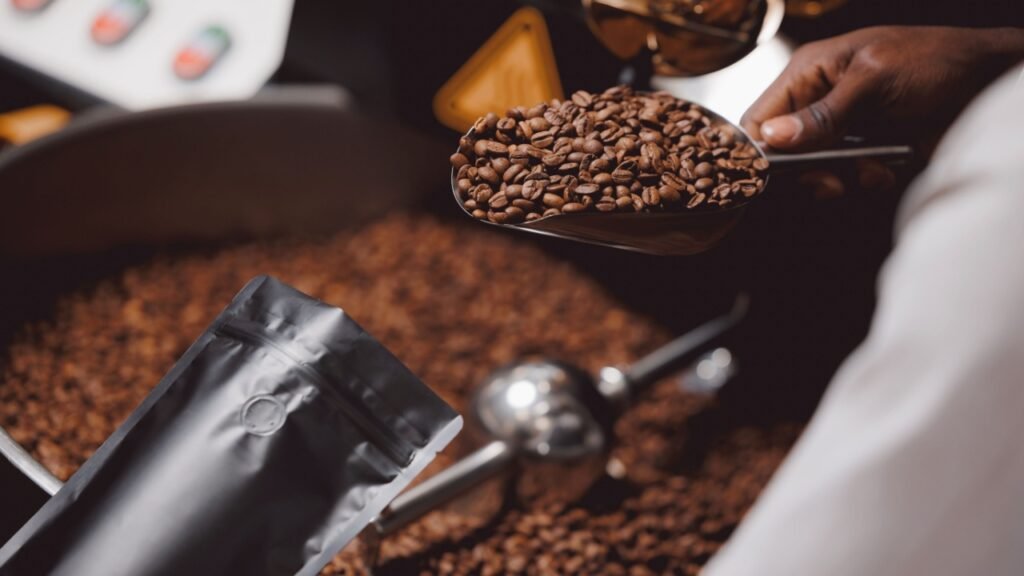
For many, nothing felt like a greater sacrifice than rationed coffee. Beginning in 1942, Americans were limited to one pound of coffee every five weeks—just enough to stretch if brewed weakly, but not nearly enough for coffee lovers. Tea faced similar shortages, especially in Britain, where it was considered essential for morale. Families learned to reuse tea leaves, brew weaker cups, or substitute with herbal blends from the garden.
Canned goods
Canned vegetables, fruits, and soups were also rationed, since tin was urgently needed for military use. Families were encouraged to grow “Victory Gardens” to make up for the shortfall, and community canning kitchens sprang up across the country to help people preserve their harvests. Glass jars replaced cans for much of home food storage, a practice that remains popular among homesteaders today.
Milk and cheese
Milk production was heavily directed toward the military, leaving less for civilians. Powdered milk became a pantry staple, often reconstituted for baking or drinking. Cheese was rationed as well, with families receiving a modest allowance per week. Cookbooks from the period include many creative recipes—like vegetable loaves and casseroles—that stretched small amounts of cheese across multiple meals.
Bread and cereals
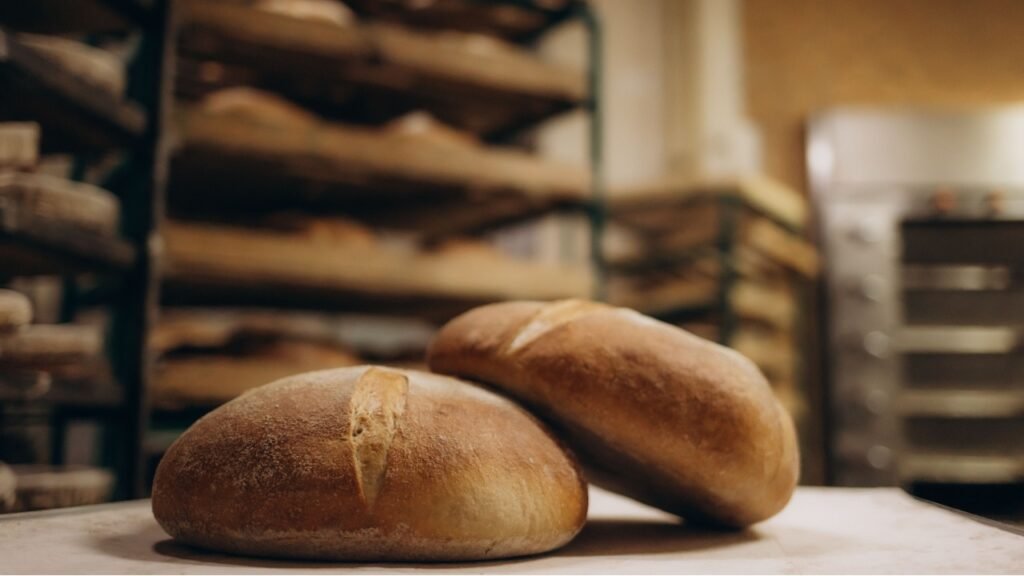
Although bread itself was not rationed in the U.S. during World War II (it was in Britain), ingredients that went into it were often scarce. White flour was limited, so whole wheat and other grains became more common. Breakfast cereals also disappeared from shelves or were reformulated, often without sugar or with fewer ingredients.
Why it mattered
Rationing wasn’t just about controlling scarcity; it was about fairness and unity. Everyone—from city dwellers to farmers—received the same coupons and points, ensuring that no one could hoard or buy more than their share. It also tied civilians to the war effort, reminding families that their sacrifices at the dinner table directly supported soldiers abroad.
For many who lived through it, rationing left a lasting mark on how they viewed food. Nothing was wasted; leftovers were repurposed, gardens were cultivated, and “making do” became a way of life. Even after rationing ended in the late 1940s, the lessons in thrift and ingenuity carried forward, shaping family kitchens for generations.
Today, looking back on wartime rationing reminds us not only of the resilience of those who endured it but also of the extraordinary role food plays in daily life. The simple act of sharing a meal became an act of patriotism, and everyday foods—whether sugar, coffee, or butter—took on new meaning when they were scarce.





No Comments