
Autumn has always carried a sense of transition — the slow fading of summer, the crisp arrival of colder nights, and the anticipation of winter ahead. For generations, families marked this season with traditions that brought both joy and practicality. Some were rooted in necessity, others in celebration, but all gave rhythm to life as the year turned. While many have faded from everyday practice, these fall traditions were once fixtures in households across the country.
Bringing in the harvest
Before supermarkets, fall was the time when families worked together to gather the last of the year’s produce. Apples, pumpkins, potatoes, and squash were hauled in and stored for winter. Children often joined in, picking, sorting, and carrying baskets. Even families who didn’t farm usually helped with preserving food from gardens or orchards. The harvest wasn’t just work — it was a community effort that carried a sense of accomplishment.
Canning and preserving
As crops came in, kitchens turned into workshops. Families canned jars of tomatoes, jams, and pickles, dried apples in the oven, or strung beans to hang in the pantry. Rows of glass jars filled with color lined shelves, proof that the family would eat well through the cold months. This tradition wasn’t simply about food — it was about security and self-sufficiency. The first frost signaled it was time to preserve what was left before it spoiled.
Pressing cider
For many communities, cider-making was an annual event. Families gathered at mills or in their own barns to press apples into juice. Children turned the crank or helped collect the pulp, while adults filled barrels for fermenting or jars for fresh cider. Warm, spiced cider became a hallmark of fall, linking family work with seasonal comfort.
Chores to ready the home
Fall was also the time for preparing the house for winter. Families stacked firewood high, checked chimneys, and laid heavier quilts on beds. Windows were sealed against drafts with strips of cloth or newspaper. These chores weren’t glamorous, but they were traditions that brought a sense of readiness. The work of fall was a way of caring for one another through the colder months.
Making soap and candles
In earlier generations, autumn often included soap- and candle-making. Families rendered fat left from butchering and turned it into lye soap, a year’s supply tucked away before winter. Beeswax or tallow was melted down into candles, essential for the long nights ahead. These seasonal tasks became events of their own, with children helping where they could.
Barn dances and socials
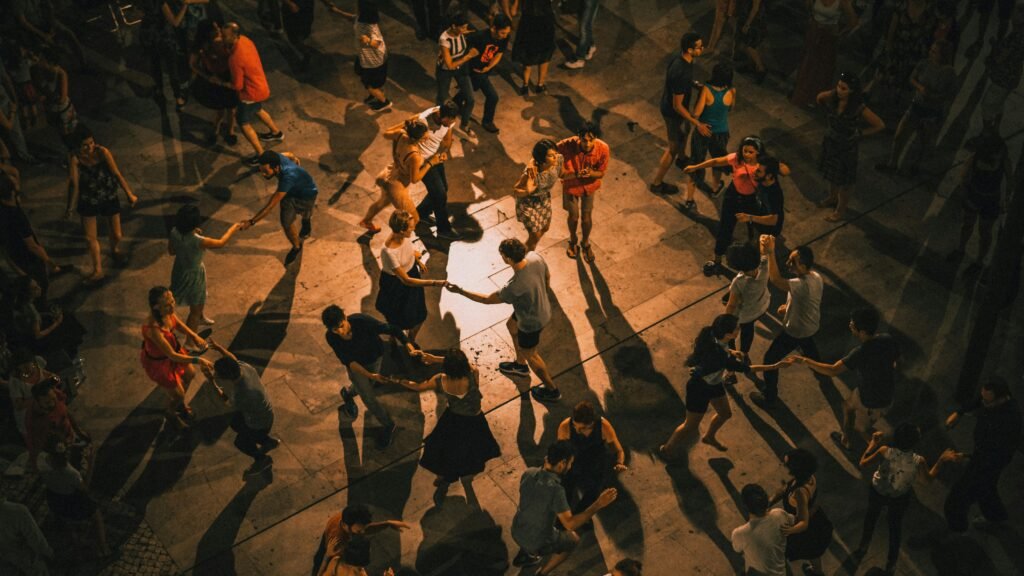
Not all fall traditions were practical. Once the heavy harvest chores were done, communities often celebrated with barn dances, suppers, and socials. These gatherings gave people a chance to relax, share food, and enjoy music together. They were a way of marking the end of one season’s labor and the beginning of another’s rest.
Seasonal decorating
Long before fall décor became a commercial industry, families brought the season indoors. Pumpkins, gourds, corn stalks, and colorful leaves were used to decorate porches and tables. The changing season was celebrated with what was on hand, not store-bought decorations. A bowl of apples on the table or dried corn tied with twine was enough to say: autumn is here.
Storytelling by the fire
With evenings growing longer, families often gathered around the hearth. Fall was a season of storytelling — ghost tales, family histories, and folk legends. It was a way to pass time, share culture, and prepare for the darker months ahead. Many of these evenings became treasured memories, repeated year after year.
Hunting and gathering
For rural families, fall marked hunting season. Men and older boys often went out for venison, rabbit, or fowl, adding meat to the household’s winter stores. Others gathered nuts, mushrooms, or late-season herbs. These traditions weren’t just about food; they connected families to the land and its cycles.
Back-to-school rhythms

Though school is a year-round expectation today, fall once carried a particular rhythm. Many children only returned to class in autumn, after months spent helping on the farm. The season meant sharpening pencils, sewing new clothes, and settling into studies again. For families, the return of school was as much a marker of fall as the turning of leaves.
Why they endure
While life has changed, echoes of these traditions remain. We still carve pumpkins, sip cider, and decorate porches with gourds. Many people continue to can food, even if only a few jars of jam. Community events, from harvest festivals to county fairs, carry the spirit of old barn dances. These traditions endure because they speak to something timeless: the need to mark the passage of seasons, to prepare for what’s ahead, and to celebrate together.
Fall traditions once practiced every year remind us that the season isn’t just a backdrop of colors and cool air. It’s a turning point, a time of both gratitude and preparation. Whether in the form of stacked firewood, jars on a shelf, or a gathering of neighbors, these customs kept families grounded. And even today, when life looks different, they continue to inspire ways of finding meaning in the simple rhythm of autumn.




No Comments