

When it comes to cooking, sometimes it isn’t about following the perfect recipe—it’s about choosing ingredients that bring a sense of balance, comfort, and vitality to whatever you’re making. A meal feels nourishing not just because it fills you up, but because it supports your body, soothes your mind, and connects you to something wholesome. Over time, I’ve learned that keeping a few simple, reliable ingredients on hand can make the difference between a plate of food that’s merely fuel and one that truly feels grounding.
Leafy greens for everyday vitality
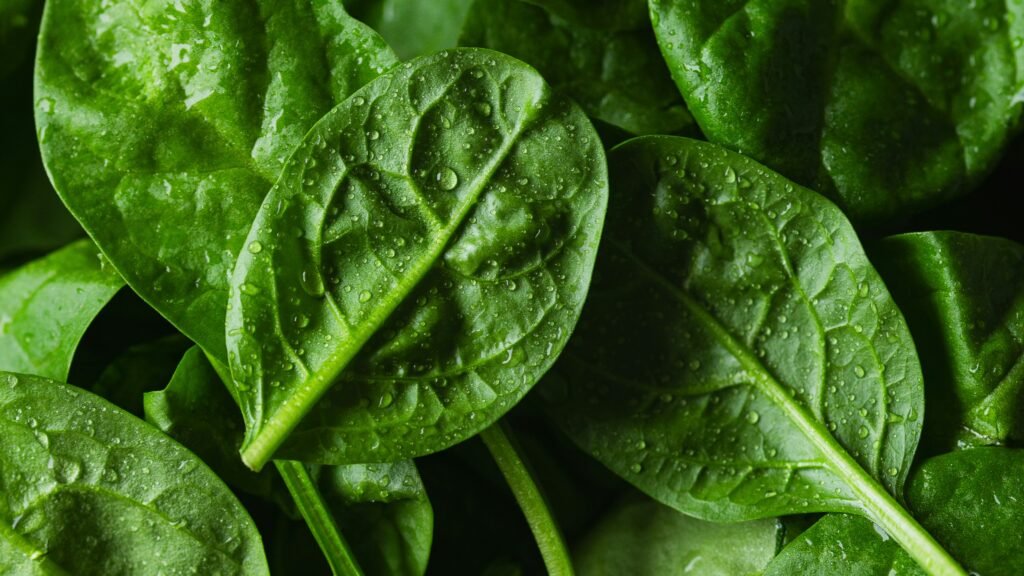
Spinach, kale, chard, and arugula may sound ordinary, but they bring a dose of freshness to nearly any meal. Toss them into soups, tuck them into omelets, or simply sauté them with garlic and olive oil. Their versatility and nutrient density make them a quiet backbone of nourishing eating.
Hearty whole grains

Rice, oats, quinoa, and barley are simple but steady. They give meals substance without heaviness and pair beautifully with almost anything. A bowl of warm oats on a chilly morning or a side of nutty brown rice with dinner adds more than texture—it adds staying power.
Beans and lentils for comfort and strength

From a pot of lentil soup to a spoonful of chickpeas in a salad, legumes provide both comfort and sustenance. They’re inexpensive, endlessly adaptable, and carry flavors well. When simmered slowly with herbs and spices, they create the kind of meal that feels both old-fashioned and deeply satisfying.
Herbs that bring calm and brightness

Rosemary, thyme, parsley, mint, and basil aren’t just garnishes—they’re gentle reminders that food can lift the spirit as well as the body. A sprinkle of fresh herbs over roasted vegetables or a handful of mint steeped in hot water can shift a meal into something that feels restorative.
Seasonal vegetables

Eating with the seasons isn’t only practical; it helps meals feel rooted in their time and place. Tomatoes in late summer, squash in autumn, or asparagus in spring each bring their own sense of celebration. Nourishment is often found in paying attention to what’s naturally abundant.
Warming spices

Cinnamon, turmeric, ginger, cumin—these aren’t just about flavor. They carry traditions of care and healing, turning simple foods into something that feels protective and grounding. A sprinkle of cinnamon on oatmeal or a dash of turmeric in a stew makes the meal feel more whole.
Simple proteins

Eggs, nuts, seeds, fish, and lean meats can be prepared without fuss and still feel deeply satisfying. Even a boiled egg with a pinch of salt can be the foundation of a nourishing meal. These foods don’t need to be elaborate—they work quietly, offering balance and energy.
A touch of comfort

Finally, I believe every nourishing kitchen has room for comfort. A drizzle of honey, a square of dark chocolate, a loaf of fresh bread—these small touches feed the soul as much as the body. Nourishment isn’t about restriction; it’s about finding balance between what sustains and what delights.
A meal that feels whole

At the end of the day, nourishment comes from simple choices repeated often: greens, grains, beans, herbs, and the steady rhythm of seasonal eating. These ingredients don’t just make meals more nutritious—they make them feel whole. With them, even the simplest supper can become a moment of care, connection, and calm.






No Comments