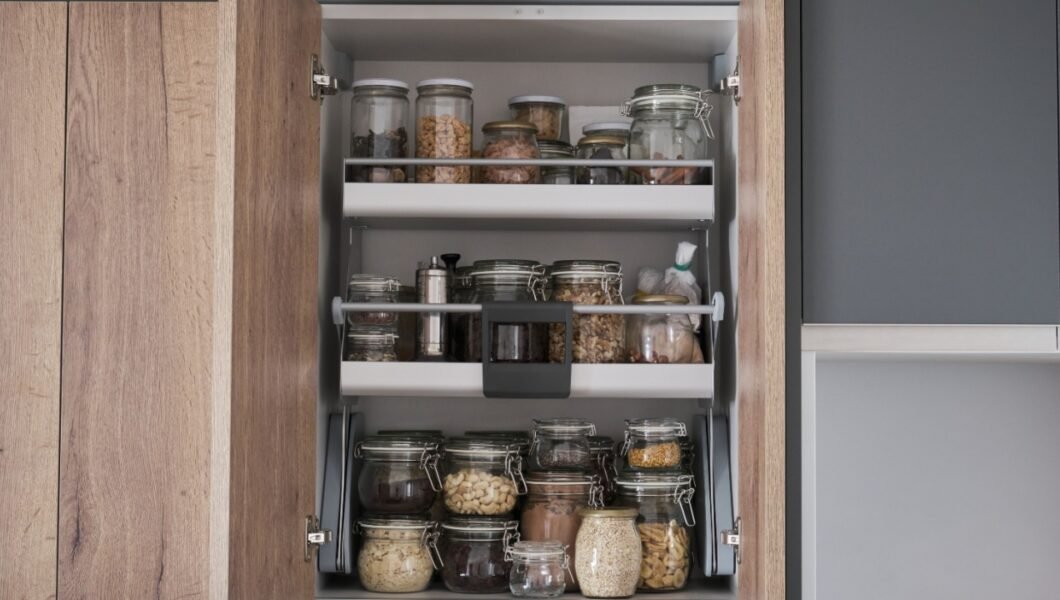
There’s comfort in cooking with quick mixes and freezer fixes, but if you open the pantry door a little wider, you may find some old-time staples that still whisper what works. Jars, tins, and simple sacks once stood ready for everyday cooking and lean seasons alike. These are the keepers that store well, stretch a meal, and do more than one job. They sweeten and steady, brighten and bolster, asking only for a cool corner and a little attention.
Bringing a few of them back isn’t about chasing nostalgia. It’s about choosing ingredients that work hard for you, taste good, and make a kitchen feel grounded. A bottle of something dark and rich, a sack of beans, a sturdy vinegar, a spice you grate by hand. Keep a few on hand; learn their rhythms, and supper becomes calmer, thriftier, and more satisfying. Simple things, patiently kept, still carry a household through.
At The Quiet Harvest, we sometimes recommend products that make homesteading, cooking, and cozy living a little easier. When you click on one of our Amazon or affiliate links and make a purchase, we may earn a small commission—at no extra cost to you. It’s one way we keep this space thriving, so we can continue sharing recipes, garden wisdom, and quiet living inspiration. Thank you for supporting us in this simple, meaningful way.
Molasses: more than a sweetener
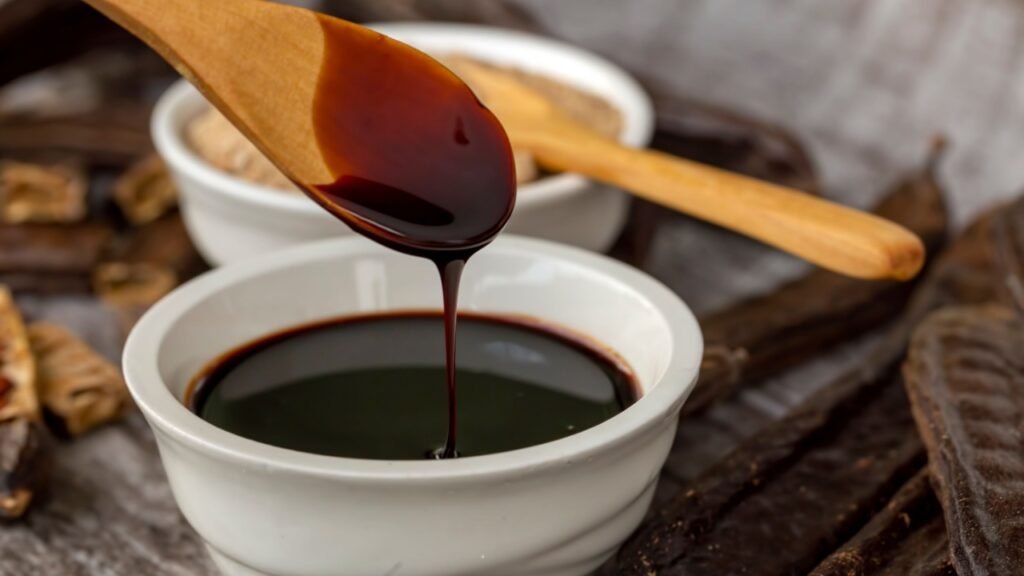
Before corn syrup and white sugar dominated kitchens, molasses was a go-to pantry item. It provided deep, rich sweetness in everything from gingerbread to baked beans. But it also added iron and minerals, making it both flavorful and functional. Molasses keeps for years and can replace refined sugar in baking or marinades, lending a rustic, old-fashioned taste modern recipes often lack.
Dried beans: the original budget meal
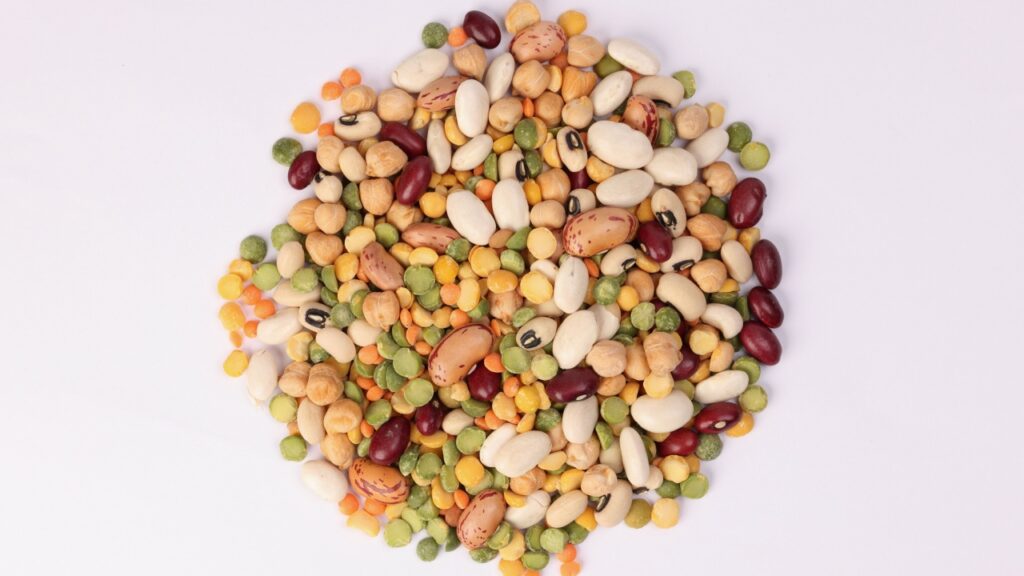
Once a staple of nearly every household, dried beans lost ground to canned varieties. But they remain one of the most versatile, economical pantry items. A sack of beans lasts for years, takes up little space, and provides the foundation for countless meals—from hearty stews to refreshing summer salads. They require soaking and simmering, but that time investment transforms them into something rich and satisfying.
Salt pork: the original flavor booster
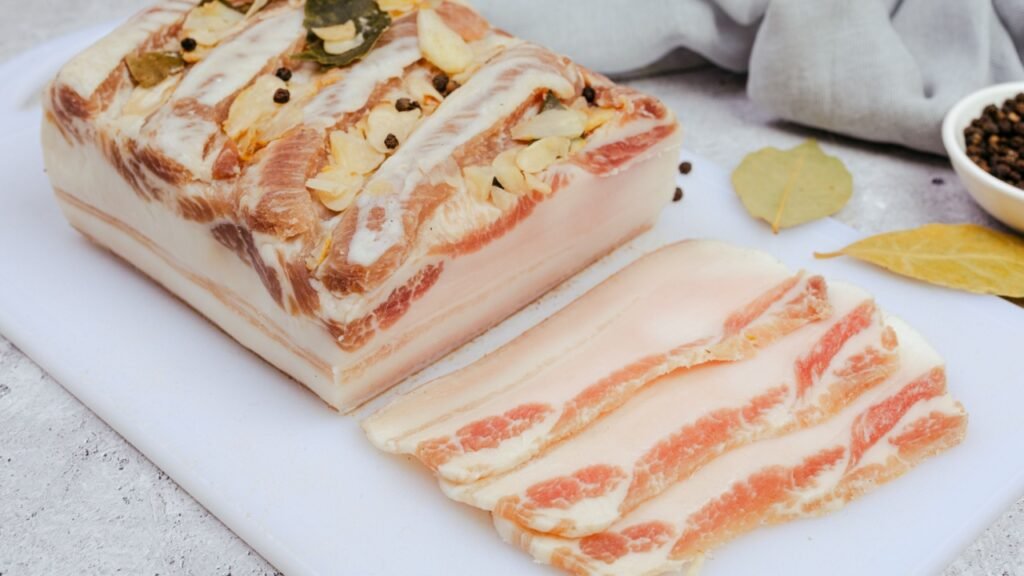
Long before bacon was the star of every menu, families relied on salt pork. Cured and preserved, it flavored soups, beans, and vegetables, especially through winter when fresh meat was scarce. While less common today, it can still be found in specialty shops and serves the same purpose as it always has: adding depth and richness to otherwise plain dishes.
Lard: a misunderstood classic
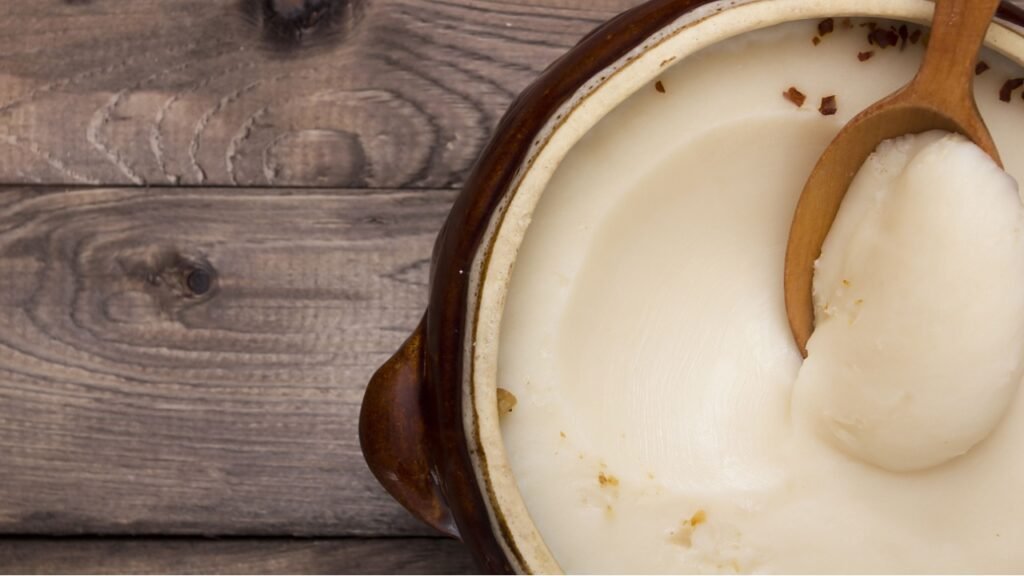
Once essential for pie crusts, frying, and everyday cooking, lard faded from pantries in the mid-20th century as vegetable oils rose in popularity. Today, it’s making a quiet comeback, prized for the flaky pastries and crisp potatoes it produces. When it’s stored correctly, it keeps well, and unlike processed shortenings, it’s natural and versatile.
Vinegar: more than just pickles
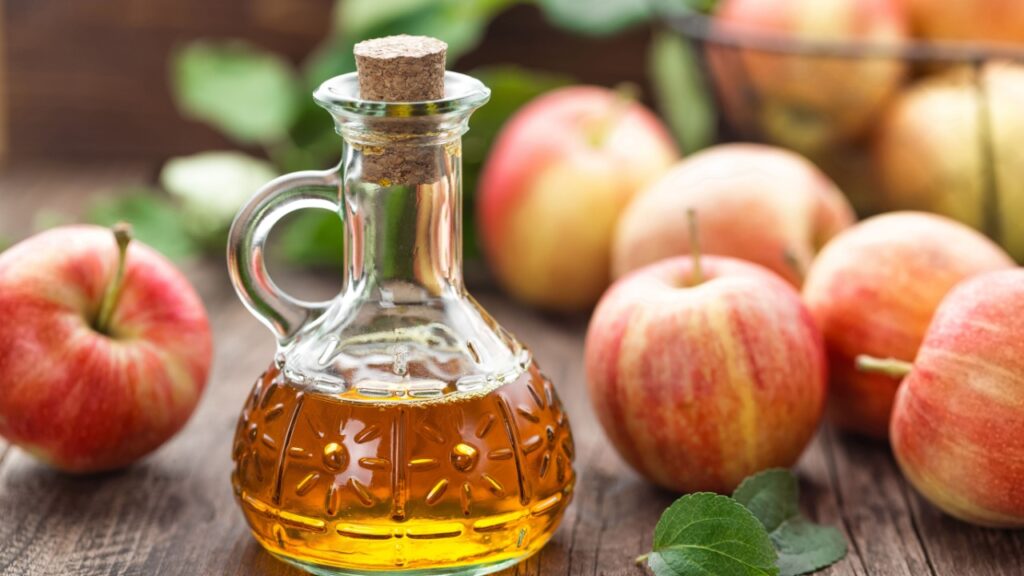
Pantries of the past often held several kinds of vinegar—cider, white, wine—because of its long shelf life and wide uses. Beyond flavoring dishes, vinegar preserved food, cleaned counters, and even served as a home remedy. Keeping a bottle or two on hand ensures you always have a way to brighten flavors, tenderize meat, or quickly whip up a salad dressing.
Oats: the breakfast that carried families
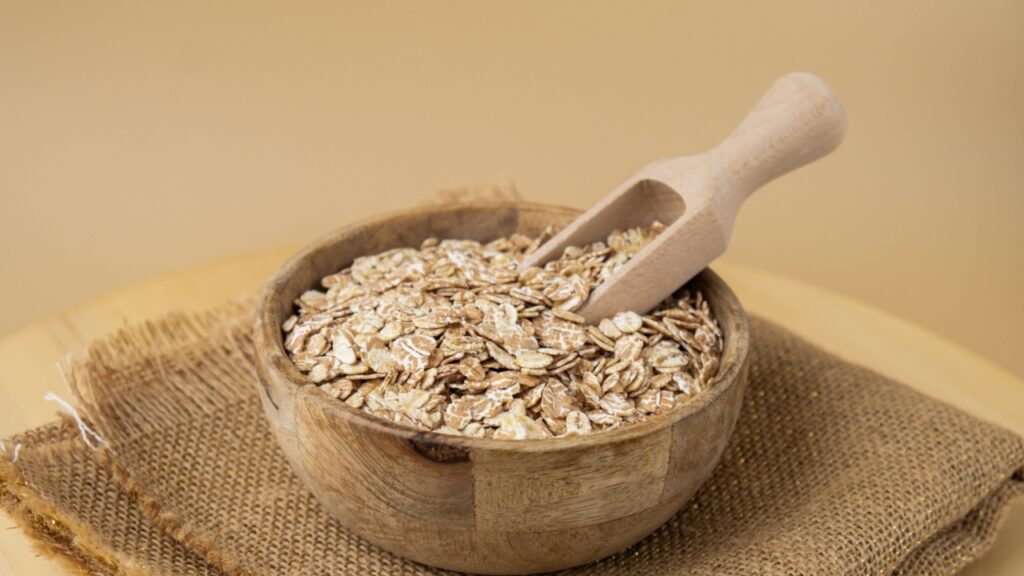
Rolled oats may be common today, but in older kitchens, oats were used far beyond porridge. They bulked up meatloaf, thickened soups, and stretched baked goods. Stored in a cool, dry place, oats last for years and remain one of the cheapest, most filling staples you can keep.
Powdered milk: a quiet backup
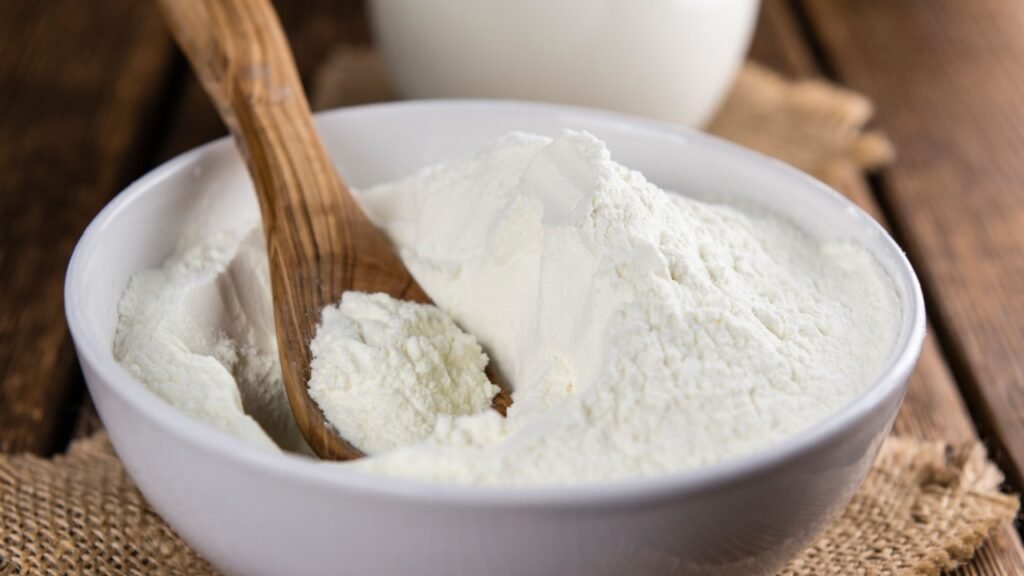
While fresh milk is easily accessible now, powdered milk was once a lifeline—used in baking, sauces, and as an emergency supply. It takes little room and lasts far longer than fresh dairy. For households looking to be prepared, it still deserves a spot on the shelf.
Whole spices: flavor with longevity
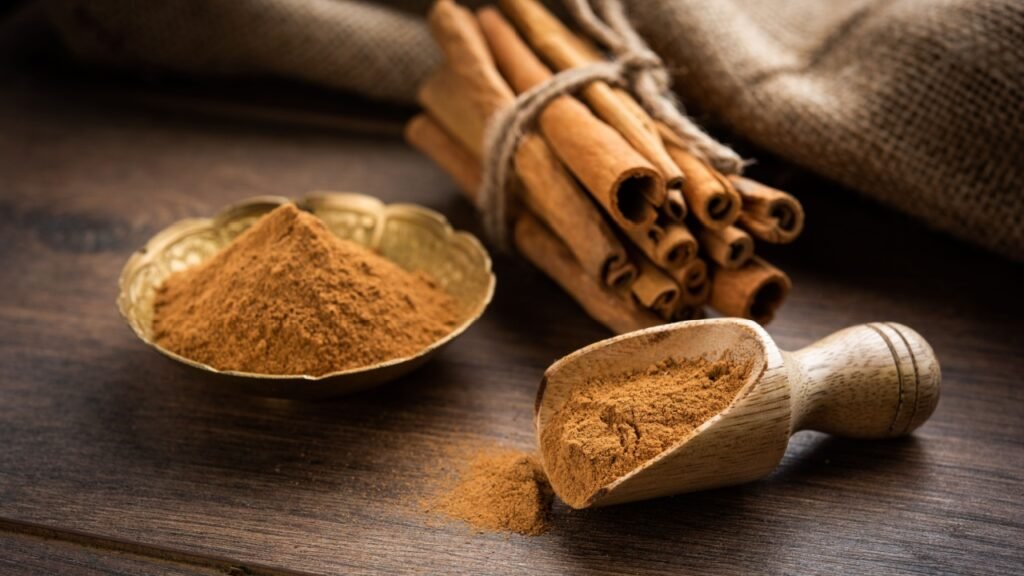
Instead of ground spices that lose potency quickly, past generations often kept whole spices like nutmeg, cinnamon sticks, and peppercorns. They stayed fresher longer and could be grated or crushed as needed. That same wisdom applies today: whole spices last for years and provide brighter flavor than pre-ground blends.
Why these items matter now

These staples were chosen because they stored well, stretched meals, and offered versatility in lean times. Modern conveniences may have pushed them aside, but revisiting them can bring both practicality and comfort back into the kitchen.
The next time you look at your pantry, consider adding back a jar of molasses, a sack of beans, or a tin of whole spices. These humble ingredients don’t just connect you with past generations—they also remind us that good food doesn’t have to be complicated. Sometimes, the simplest things stand the test of time.




No Comments