

There’s something grounding about stepping outside, snipping a few fresh leaves or flowers, and steeping them into a simple cup of tea. Unlike a box from the grocery store, these teas carry the scent of the season and the satisfaction of being homegrown. They don’t require fancy tools or complicated recipes — just hot water, a mug, and a handful of what’s already growing nearby.
Across generations, people have turned to the garden for more than food. Herbs, blossoms, and even certain vegetables have long been dried, brewed, and sipped for comfort. Today, this practice feels like a way of slowing down, reconnecting with the rhythms of the year, and making the most of what your garden gives.
Here are a few seasonal teas you can gather and brew throughout the year.
At The Quiet Harvest, we sometimes recommend products that make homesteading, cooking, and cozy living a little easier. When you click on one of our Amazon or affiliate links and make a purchase, we may earn a small commission—at no extra cost to you. It’s one way we keep this space thriving, so we can continue sharing recipes, garden wisdom, and quiet living inspiration. Thank you for supporting us in this simple, meaningful way.
/
Spring: Fresh and cleansing
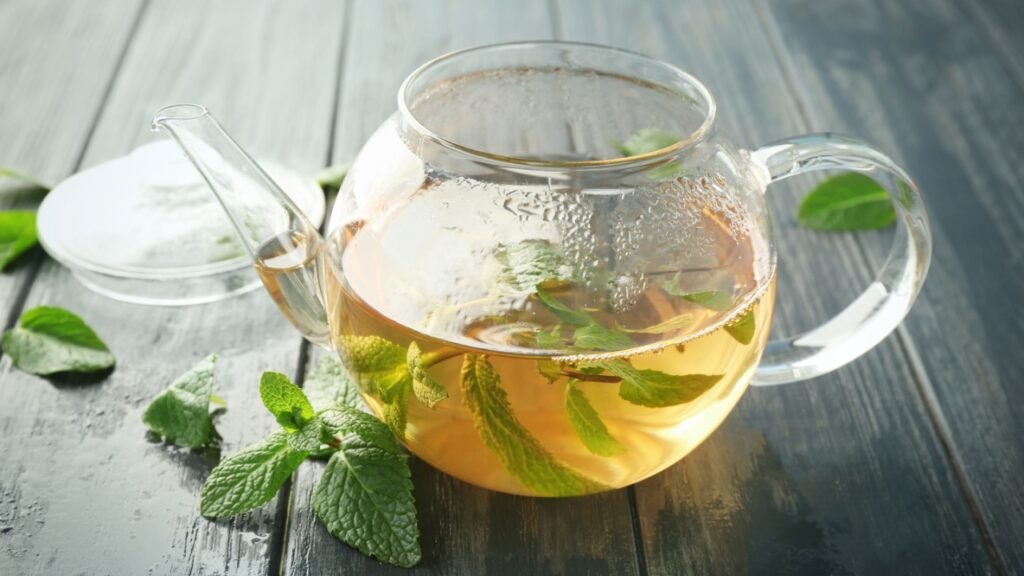
When the soil begins to thaw and tender greens start to push through, the first teas of the season are all about renewal. Mint, which spreads easily once planted, offers a crisp and cooling cup that wakes up the senses. Lemon balm brings a citrusy brightness, while chamomile’s gentle blossoms add a touch of calm to the mix.
In many older gardens, nettles were also prized at this time of year. Though you’ll need gloves to harvest them, once steeped, nettle tea loses its sting and becomes a nourishing, mineral-rich drink that was once seen as a spring tonic after long winters.
Summer: Cooling and fragrant
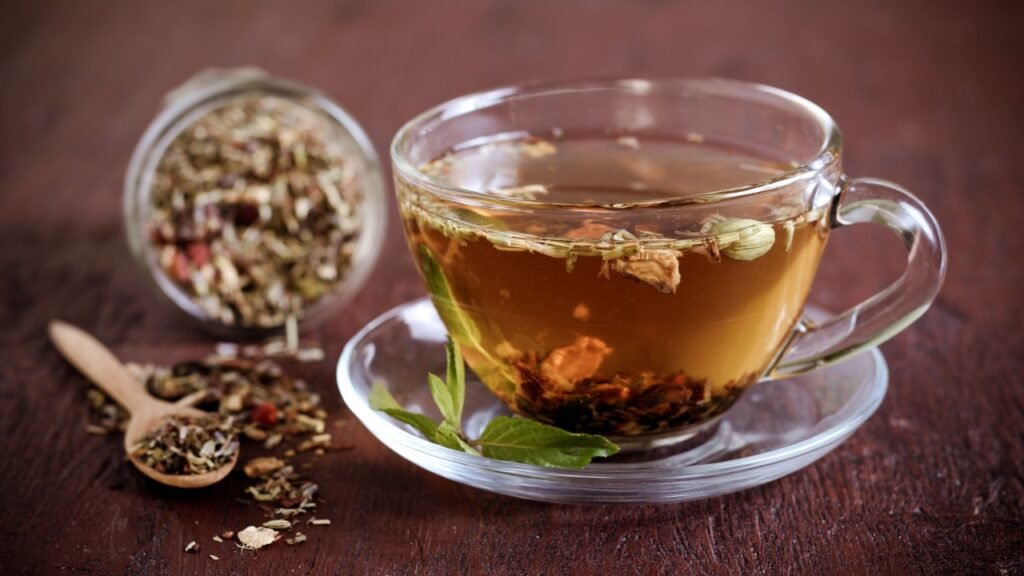
As the days lengthen and the sun grows heavy, teas shift toward cooling herbs and fragrant blossoms. Fresh mint leaves can be steeped and chilled into the ultimate summer refresher, especially with a slice of lemon. Lavender flowers, gathered before they fully open, lend a floral aroma that pairs beautifully with honey.
For something unexpected, hibiscus blossoms — often grown in warmer regions — make a tart, ruby-red tea that is as refreshing iced as it is hot. If hibiscus isn’t at hand, rose petals can also be steeped for a delicate floral cup that feels like a garden in bloom.
Autumn: Warming and spiced
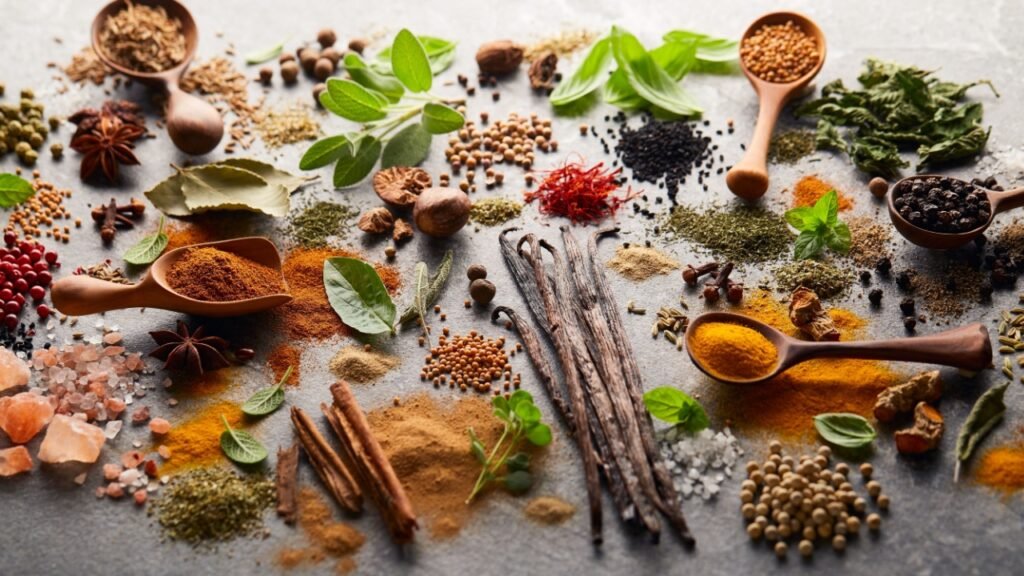
Fall teas often lean into the herbs that linger late in the season, paired with spices from the pantry. Sage leaves create an earthy, grounding tea that was once a staple in homestead kitchens. Thyme and rosemary, both hardy garden herbs, brew into aromatic teas that are especially comforting when paired with honey during the colder months.
In some traditions, dried apple slices were steeped alongside cinnamon sticks and clove for a warming brew — essentially a tea that tastes like apple pie. It’s a reminder that even when the garden begins to fade, the pantry still holds plenty to enjoy.
Winter: Restful and restorative
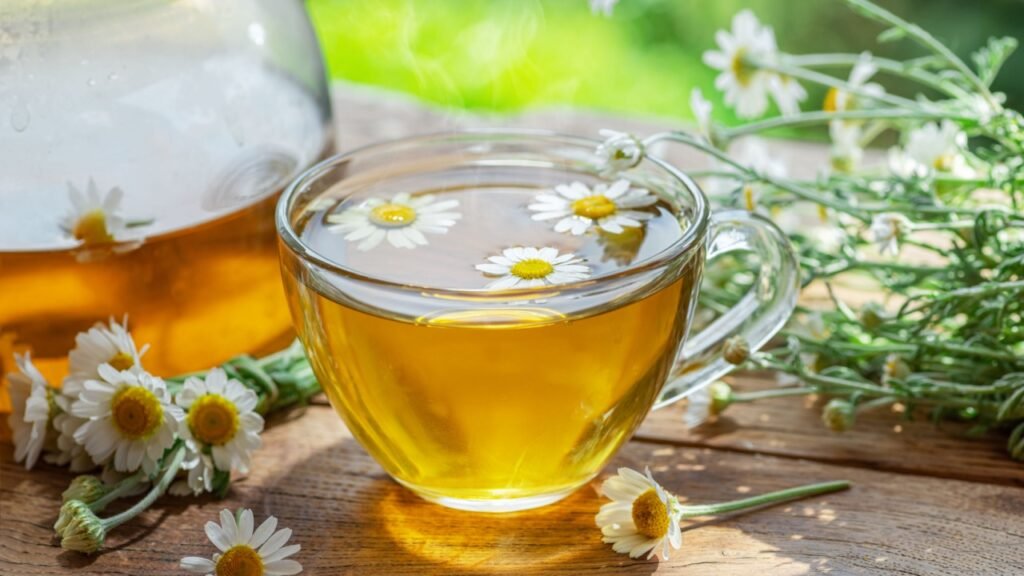
When snow falls and the garden sleeps, many teas come from what was dried and stored earlier in the year. Chamomile, lavender, and lemon balm all keep their flavor when dried and make for soothing winter teas. Peppermint leaves, stored in jars, brew into a brisk cup that clears the senses on long, dark days.
Ginger, though not typically grown outdoors in colder climates, is often sprouted in pots inside and sliced into boiling water for a tea that brings warmth and comfort. Combined with dried herbs from summer, ginger blends well into teas that chase away the chill.
The beauty of garden teas

Brewing seasonal teas is more than a way to fill a mug. It’s a way of living closer to the land, noticing what’s in season, and carrying the memory of summer herbs or autumn apples into the quieter days of winter. These teas are gentle, practical, and endlessly adaptable — whether you prefer them simple and pure or blended with spices for a more layered flavor.
You don’t need a dedicated herb garden to enjoy this ritual. Even a small pot of mint on a windowsill, a bundle of chamomile from the farmer’s market, or a jar of dried herbs from the pantry can be enough. Each cup tells a small story of the season — one worth slowing down to savor.




No Comments