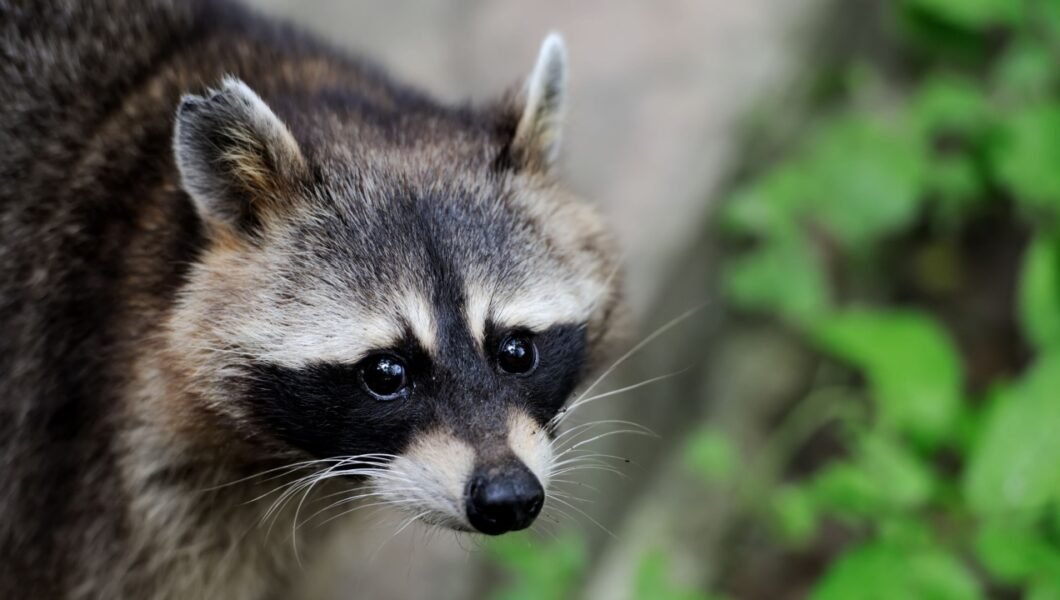
Life on a small homestead is often peaceful! Morning light on the garden, chickens fussing in their run, the quiet rhythm of daily chores. But woven into that calm is the reminder that we share our land with wild neighbors (in my case, raccoons and skunks, particularly). Predators are part of the natural balance, and noticing their presence early helps you protect your animals while keeping harmony with the land.
The signs are subtle at first, like whispers, but once you know what to look for, they tell a clear story.
At The Quiet Harvest, we sometimes recommend products that make homesteading, cooking, and cozy living a little easier. When you click on one of our Amazon or affiliate links and make a purchase, we may earn a small commission—at no extra cost to you. It’s one way we keep this space thriving, so we can continue sharing recipes, garden wisdom, and quiet living inspiration. Thank you for supporting us in this simple, meaningful way.
Prints and tracks
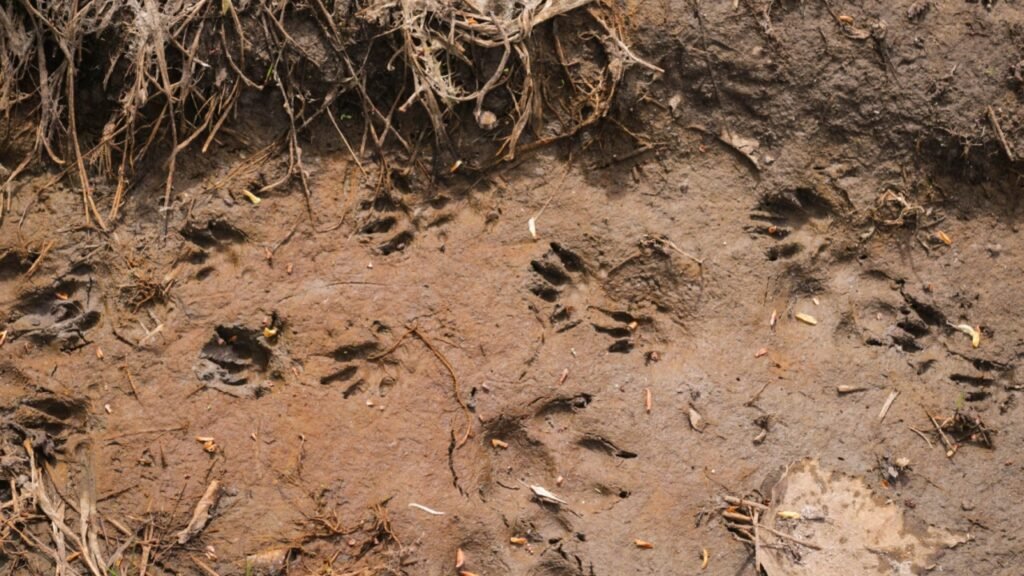
After rain or a fresh layer of snow, the ground becomes a canvas where passing animals leave their mark. Foxes, coyotes, raccoons, and even feral cats can leave tracks near coops or barns. Learning the difference between paw prints—clawed toes for coyotes, longer pads for raccoons, the neat ovals of foxes—can help you identify who is slipping through your property at night. A simple field guide or even a smartphone photo compared online can turn a mystery into recognition.
Scat and droppings
Less charming, but just as useful, scat tells you which predators are passing by and what they are eating. Coyote scat often looks ropey and contains fur or bones, while raccoon droppings may include seeds or berries. Even the location is a clue: scat placed in the middle of a path often signals a predator marking territory. If you keep livestock, spotting these signs close to pens means it’s time to shore up your defenses.
Scents and sounds
Predators often announce themselves in less visible ways. A musky odor near your chicken run could mean a skunk has been investigating. Foxes leave a sharp, acrid scent where they pass. And coyotes often make their presence known with yips and howls at dusk or in the small hours before dawn. Learning the language of sound and scent helps you feel what’s moving across your land, even when you can’t see it.
Trail cameras and technology
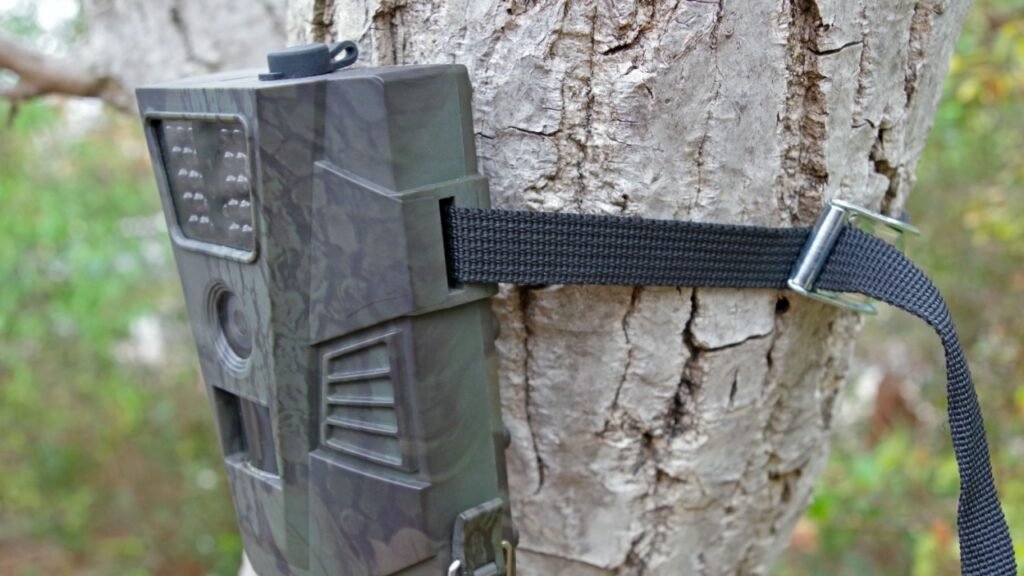
Sometimes the quietest signs are easiest to miss, which is why trail cameras are such a gift to the homesteader. Placed along fence lines, near water sources, or facing the coop, a trail cam will capture what moves when you aren’t watching. Beyond safety, there’s a quiet fascination in reviewing the footage—seeing who visits under cover of night, from prowling bobcats to curious deer. Technology extends your awareness without forcing you to stay awake by the window.
Subtle disturbances
Even if you never spot tracks or scat, your homestead itself will tell you when something is wrong. Chickens grow restless and loud when predators are near, and quail go silent in fear. Broken branches, trampled grass, or a hole dug near the fence line may be the work of an animal testing boundaries. A pattern of missing eggs or shifting feed bins can signal that a raccoon or weasel has found a way in.
Finding balance
The goal isn’t to remove predators from the landscape, but to learn how to live alongside them without unnecessary loss. Every paw print is proof that your land is alive and connected to the wider wild. By listening closely—to prints in mud, scents on the breeze, calls in the night—you become more attuned to your homestead and better able to keep your animals safe while respecting the natural order.
Predators are not enemies, just fellow creatures trying to survive. When you learn to read their signs, you find yourself walking in a deeper relationship with your land—alert, respectful, and part of the ongoing story written across your soil.






No Comments