

I don’t know about you, but here in Utah the the is starting to turn crisp and the leaves are beginning to fall. My garden and leaves begin to fall, many gardens start wind down.
But autumn isn’t just an ending—it’s also the perfect time to plant for the months and seasons ahead. Cooler soil temperatures encourage strong root development, rainfall is usually more reliable, and pests are less of a problem. Whether you’re looking to harvest fresh greens through the colder days or set the stage for an abundant spring, planting in fall gives you a head start.
This list is based on expert gardening guides, seasonal planting calendars, and real-world results from home gardeners who know the value of working with nature’s rhythms. Here are the crops and flowers worth putting in the ground this autumn.
Garlic
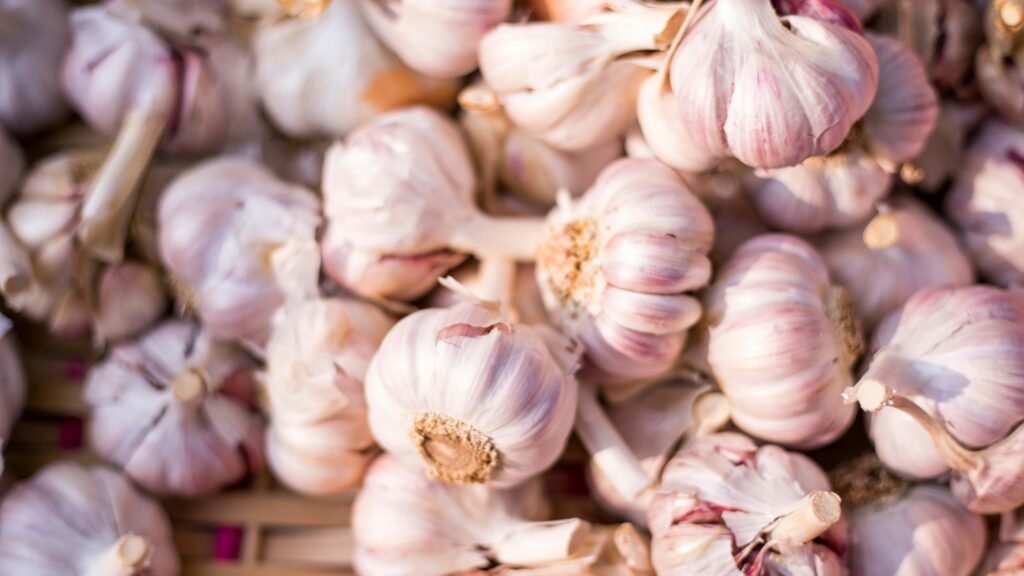
Garlic is the little promise you tuck into cold soil and forget until the light returns. Plant individual cloves in October, pointy end up, four to six inches apart, in a sunny bed with loose, well-drained soil. Work in compost and a sprinkle of bone meal for a strong start. Mulch with straw after the first hard frost to insulate the bed and keep winter heaving at bay.
Through the quiet months, roots anchor deeply while the tops rest. In spring, green shoots appear early and ask only for steady moisture and a bit of weeding. If hardneck types send up scapes, snip them for the skillet, which signals the bulbs are swelling below. By early summer, when lower leaves yellow, lift the bulbs gently, cure them in shade with airflow, and store. One afternoon of planting becomes months of flavor that carries you through the next year.
Onions and Shallots
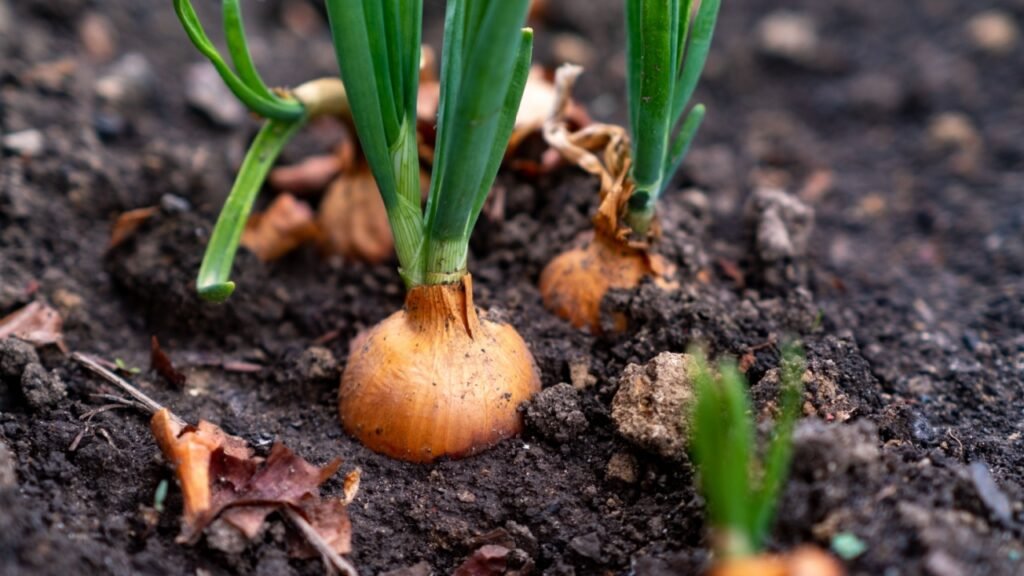
Onions and shallots love a long runway, which is why autumn plantings pay you back in plump, early bulbs. Set out sturdy starts or sets in well-drained, lightly rich soil, spacing three to four inches apart, with rows a foot apart. Aim for full sun, since day length drives bulbing. Tuck them in before the ground freezes so roots can settle while the air cools. A thin mulch protects crowns yet lets shoots breathe. Over winter they rest, then wake quickly when daylight stretches. Keep weeds down, water during dry spells, and topdress with compost in early spring. Shallots multiply into tidy clusters, while onions size up steadily without the stress of summer heat. Come late spring to early summer, tops flop, skins cure in the field, and you gather an armful of tidy, storable flavor.
Leafy Greens
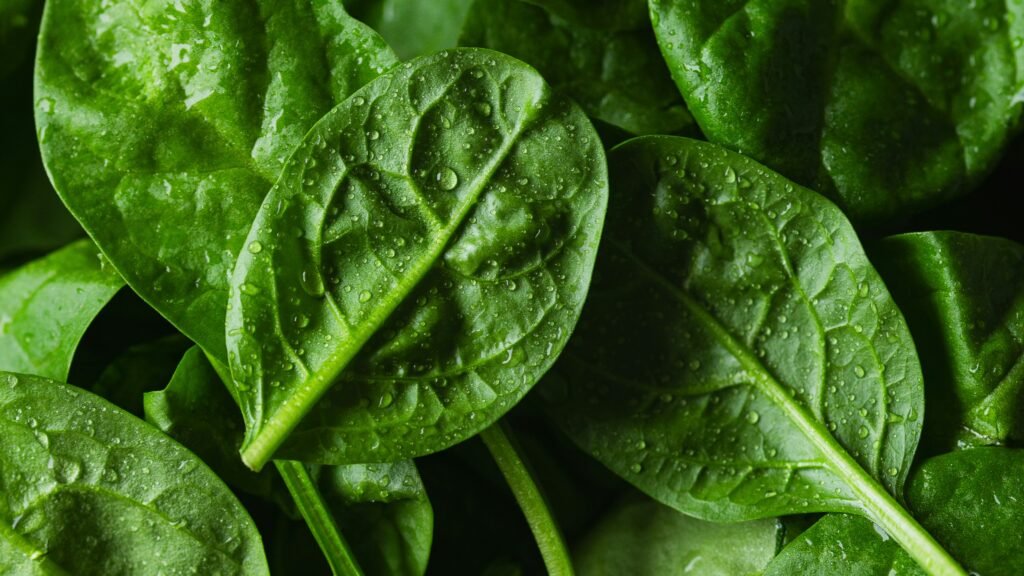
Cool air is lettuce weather, and fall turns spinach, kale, and arugula tender and sweet. Sow successions every two to three weeks so you always have something coming on. Choose a sunny spot with soil that holds moisture yet drains well, then mix in compost for steady nutrition. Tuck seeds shallowly, barely covered, and thin early so plants have room to breathe. As nights cool, growth steadies and leaves thicken, which means better texture in the bowl and less bolting. A simple row cover or low tunnel stretches the season far beyond first frost by trapping a few degrees of warmth and protecting against nibbling pests. Harvest often, taking outer leaves to keep plants producing. A handful of greens on a chilly evening reminds you that the garden still hums quietly under the shortening sky.
Root Vegetables
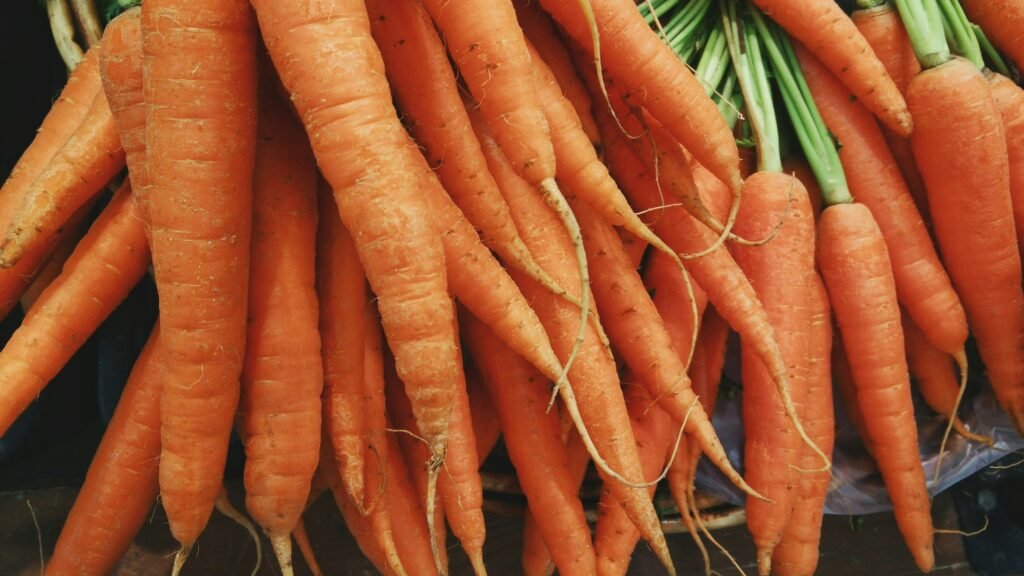
Carrots, beets, and radishes love the gentler light and slower growth of fall. Roots form best in soil that is loose, stone-free, and evenly moist, so take a few minutes to pull rocks and mix in sifted compost. Sow seed directly, cover lightly, and keep the surface damp until germination. Thin with a steady hand, then use the baby thinnings in salads. As nights cool, plants redirect sugars to their roots, which means carrots grow sweeter, beets deepen in color, and radishes keep crisp. A light frost often improves flavor, and a leaf mulch or low tunnel can hold the bed for weeks longer. Harvest gently with a fork, brush off soil, and store the keepers. With a few steady waterings and a good rake, your pantry fills quietly, one row at a time.
Strawberries
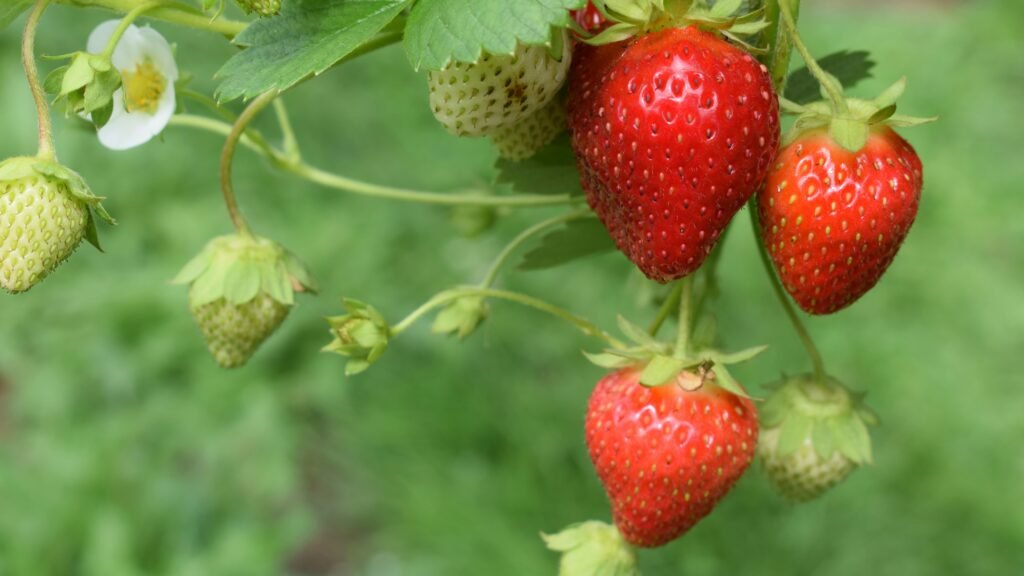
Autumn is strawberry’s settling time. Plant disease-free crowns or vigorous runners in early fall so roots can stretch before deep cold. Choose a sunny bed with slightly acidic, well-drained soil, and work in compost for steady nutrition. Set crowns at soil level, not buried, spacing a foot apart in rows two feet apart. Water to establish, then mulch with straw to cushion winter and keep spring berries clean. Plants focus on roots now, which pays off in fuller leaves and earlier blossoms next season. Pinch any late flowers so energy goes to foundation-building. In spring, remove old mulch after the worst cold passes, feed lightly, and water during dry spells. You will be rewarded with sturdy plants that hold fruit off the soil, fewer disease issues, and a bowl of ruby-bright berries weeks sooner.
Herbs
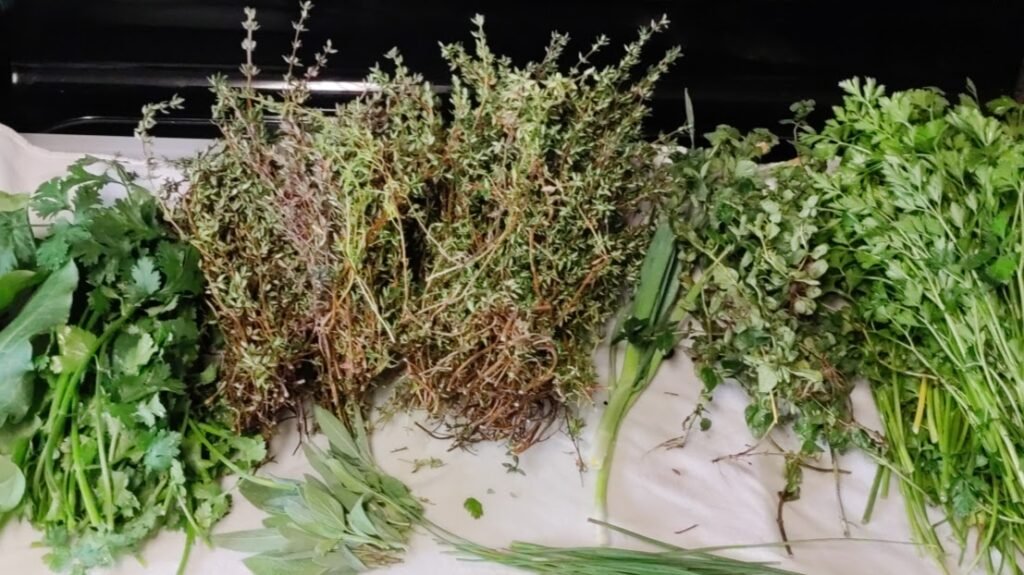
Perennial herbs such as sage, thyme, oregano, and chives appreciate fall’s calm. Cooler air and warm soil invite roots to explore, which means better drought tolerance and fuller growth next year. Tuck transplants into a sunny, well-drained spot, lifting heavy clay with grit or compost. Space generously so air can move, then water deeply to settle the soil around the roots. A light mulch keeps heaving in check without smothering crowns. Avoid heavy feeding now; herbs taste best when a little lean. As winter approaches, trim lightly to shape rather than hard pruning. Come spring, you will have bushier plants, leaves that keep their oils in the kitchen pan, and blossoms that welcome pollinators to your beds.
Asparagus and Rhubarb
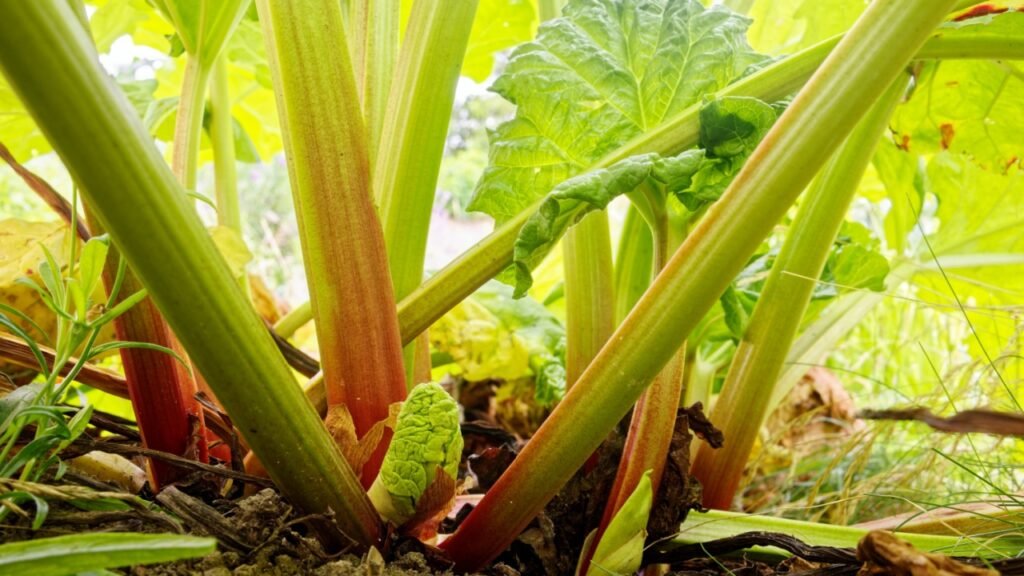
Asparagus and rhubarb are gifts you plant for your future self. They ask for patience, then repay it for years. Choose a sunny bed with excellent drainage and add generous compost, since these perennials feed deeply. For asparagus, set crowns in trenches six inches deep, spacing a foot apart, then backfill gradually as shoots emerge next year.
For rhubarb, plant divisions so the crown sits just at soil level, spacing three feet each way. Water to establish and mulch to moderate swings in temperature. Do not harvest the first season; let roots bank energy. By the second or third spring, tender spears and glossy stalks arrive early, and you collect just enough for supper. With steady care, you get dependable harvests, handsome leaves, and a patch that feels like an heirloom in the making.
Spring Bulbs
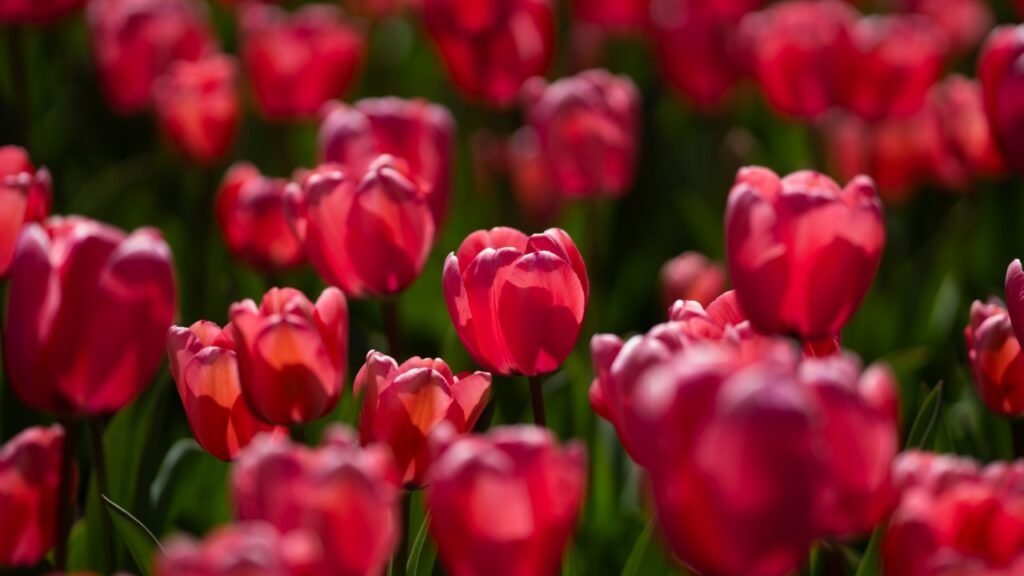
Spring bulbs ask only for a chill and a little planning. Plant daffodils, tulips, crocus, and hyacinths in fall when soil is cool yet workable. Follow the simple rule of three times as deep as the bulb is tall, point up, in loose soil with drainage. Group in generous drifts for a natural look, and mix early, mid, and late varieties to stretch bloom time. Water once to settle, then mulch after the first real cold to prevent heaving. Through winter, the magic happens unseen as roots weave into the soil. When the thaw comes, green tips pierce the gray and the beds light up in sequence. A few hours of planting in sweaters and scarves becomes weeks of brightness that lift the mood of the whole garden.
Wildflowers
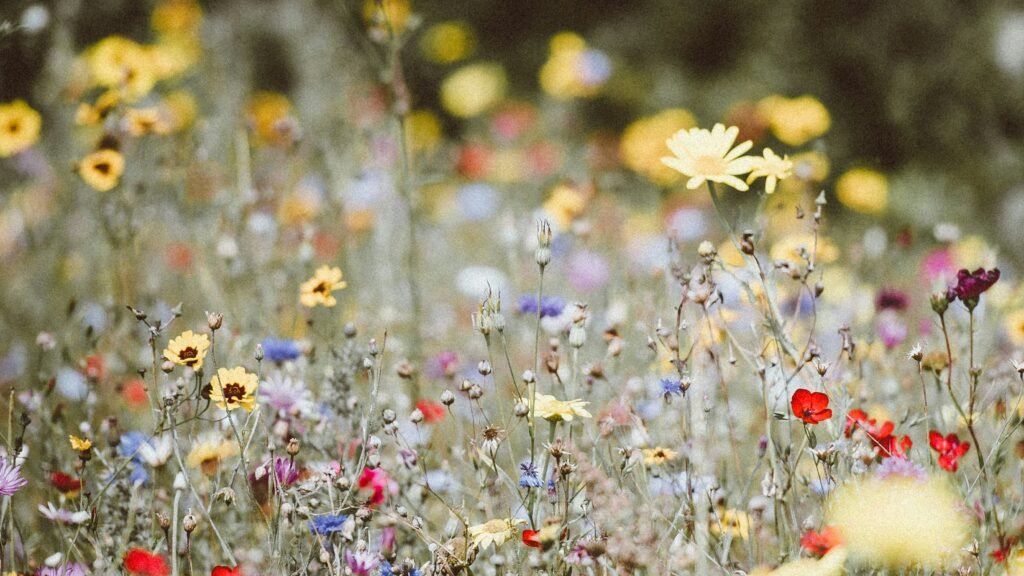
Sowing native wildflowers in fall mirrors nature’s own plan. Many species, like coneflowers, black-eyed Susans, and milkweed, need a cold period to break dormancy. Pick a sunny, low-fertility spot, scratch the surface with a rake, and mix seed with dry sand for even spreading. Press seed into contact rather than burying deeply, then let winter do the rest. Snow and freeze-thaw cycles work seeds into place at just the right depth. In spring, germination may appear patchy at first, then it fills in as soil warms. Skip heavy fertilizer; natives prefer lean conditions. By early summer, you have color that invites bees and butterflies, less mowing to manage, and a planting that supports the living network that keeps a garden resilient.
Fruit Trees and Berry Bushes
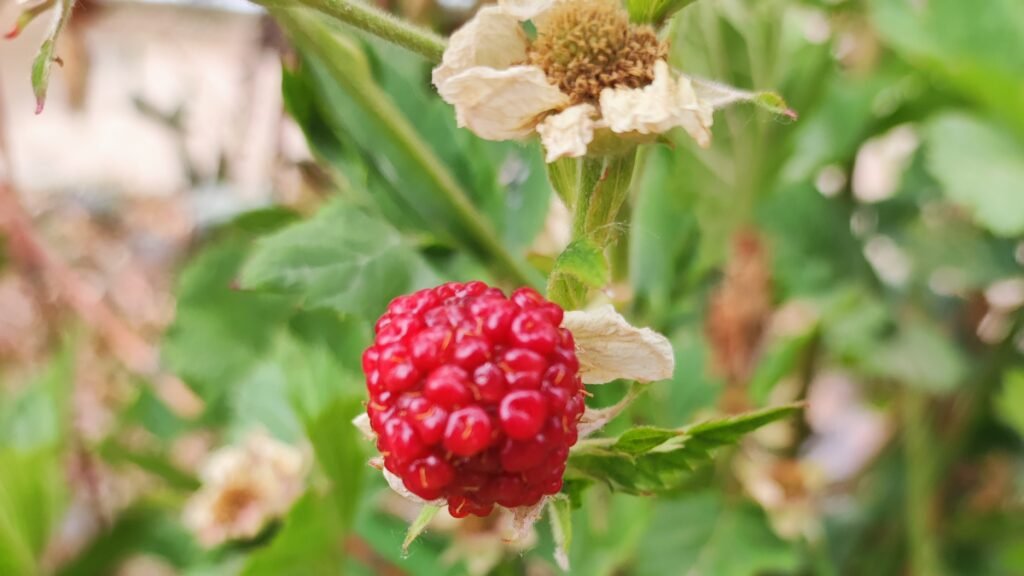
Autumn is kind to fruit trees and berries. Cooler air reduces transplant stress, while warm soil encourages roots to move. Choose locally adapted varieties, then plant while the ground is still workable. Dig a wide hole, loosen the sides, and set the tree so the flare sits at soil level. Backfill with native soil, water deeply, and stake only where wind exposure demands it. For blueberries, adjust pH toward acidic and mulch with pine needles. For raspberries and blackberries, set sturdy canes and install simple supports. A ring of mulch conserves moisture, and a fence keeps rabbits honest. By spring, you see even bud break, quiet growth that holds through summer, and fruit that arrives without the stress of heat.
Planting in fall may feel counterintuitive, but it sets the stage for a flourishing garden. By giving roots the chance to establish during cooler months, you’re ensuring stronger plants, earlier harvests, and a splash of spring color that makes the wait through winter worthwhile.






No Comments