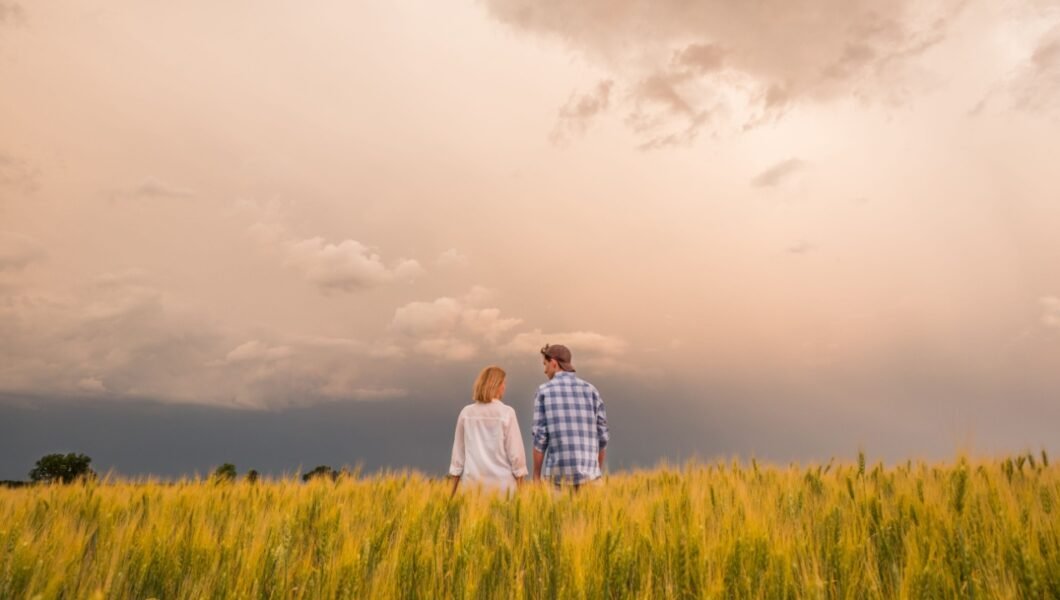
Long before satellites and 10-day forecasts, farmers relied on the sky, the wind, and even the behavior of animals to tell them when to plant. Generations of agricultural wisdom were passed down in sayings and observations, forming a body of weather lore that guided planting decisions. While modern science has explained why some of these signs worked — and why others didn’t — they once shaped the rhythm of farming seasons across rural communities.
Watching the sky
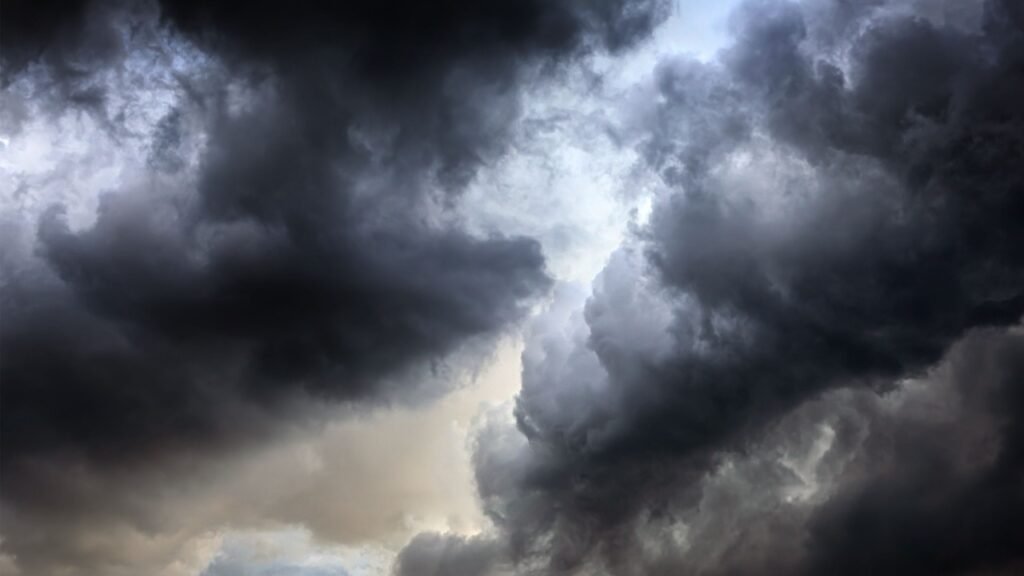
The color and movement of the sky offered some of the clearest signals. A red sky at night was a hopeful sign — “sailor’s delight,” as the old rhyme goes — meaning fair weather was likely the next day. A red sky in the morning, however, warned of storms approaching. Cloud patterns were another guide: high, thin cirrus clouds often signaled a change in weather within a day or two, while dark, fast-moving clouds warned farmers to hold off planting tender seeds until after the rain.
Reading the wind
Farmers paid close attention to wind direction. Winds from the west generally brought clearer weather, while winds shifting to the east suggested unsettled conditions. A sudden stillness could also mean a storm was brewing. Farmers learned to combine these cues with local knowledge — knowing how mountains, valleys, or rivers affected air currents where they lived.
Listening to birds and insects
The behavior of wildlife was often read as nature’s own forecast. If swallows flew high, fair weather was expected, since the insects they fed on rose with the warm air. When they skimmed low to the ground, it meant rain was likely. Crickets chirping faster were thought to signal warmer temperatures, while a chorus of frogs after sunset was taken as a sign of upcoming rain. These observations weren’t just superstition — animal behavior does shift with humidity, temperature, and air pressure.
The phases of the moon
Moon lore was central to planting traditions. Many farmers followed “planting by the moon,” believing certain crops did best when sown during waxing or waning phases. Root vegetables were planted during the waning moon, while leafy crops thrived when the moon was waxing. Clear moonlight with a halo around it was often seen as a sign of rain to come, urging farmers to wait before putting seeds in the ground.
Signs in the soil and air
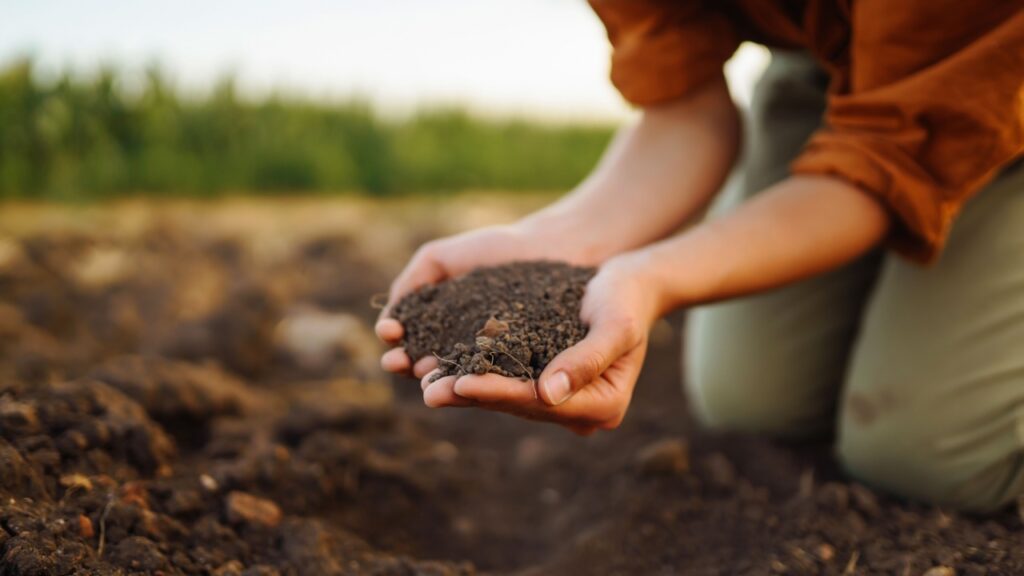
Moisture in the ground mattered more than any calendar date. Farmers often tested soil by hand — if it clumped and stuck, it was too wet to plant, risking rot. A dry, crumbly feel meant the soil was ready. The smell of the earth after rain, sometimes called “petrichor,” was another indicator that the season was shifting and planting time was near.
Bloom times and natural calendars
Before modern almanacs, farmers used plants themselves as a calendar. The flowering of lilacs or dandelions often marked when the soil was warm enough for corn. When oak leaves reached the size of a squirrel’s ear, it was said to be safe to plant beans. These natural markers aligned with temperature and daylight changes, giving farmers a practical guide for timing their work.
Thunder in spring
Many farmers believed that a thunderstorm in early spring meant frost was still ahead, so planting was delayed. Thunder later in the season, however, was thought to “clear the air” and signal a stretch of fair weather. Though not always reliable, these patterns were repeated across generations, forming a cautious rhythm around the start of the growing season.
Old sayings that carry wisdom
Much of this knowledge lived in simple rhymes or proverbs. “Mackerel sky, not twenty-four hours dry” reminded farmers that rippled clouds meant rain was close. “When the wind is in the north, the skillful farmer goes not forth,” suggested staying inside until fairer winds returned. These sayings condensed generations of trial and error into quick advice that could be passed along easily.
Why they mattered
For families whose survival depended on harvests, getting planting right meant everything. Too early and frost could wipe out seedlings. Too late and crops might not mature before autumn frosts. By tuning into natural signs, farmers stacked the odds in their favor. Even when the lore wasn’t exact, it encouraged caution and awareness of the land — traits still valuable today.
Echoes in modern times
Today, most farmers rely on technology for precise forecasts, soil testing, and planting schedules. Yet many still glance at the sky, check wind direction, or notice the behavior of birds before heading to the fields. Old weather signs remain part of agricultural identity, blending memory, folklore, and respect for nature. They remind us that farming has always been a dialogue with the earth and sky — and that sometimes, the simplest observations carry timeless truth.





No Comments